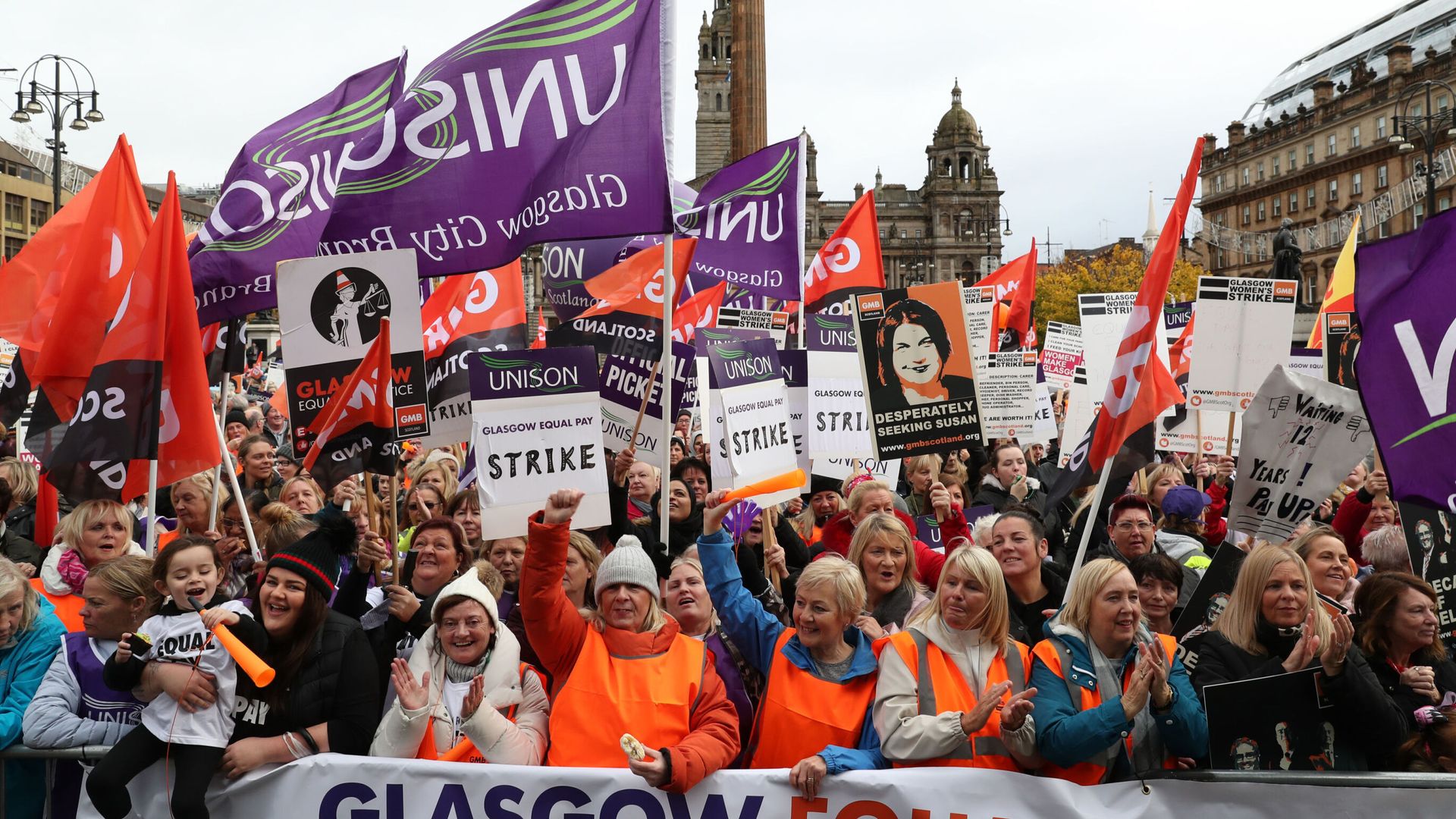
Glasgow City Council just hit pause on one of the most aggressive labor moves seen in modern British local government. The local authority halted its plan to dismiss and rehire more than 23,000 non-teaching staff following intense pressure from trade unions and the Scottish government.
If you missed the initial shockwave, the council planned to issue dismissal notices to roughly 23,000 to 25,000 workers ahead of a New Year's Day contract transition. The drastic measure came after multi-year talks over a stubborn equal pay dispute collapsed. Now, following an intervention by Deputy First Minister Jenny Gilruth, the ACAS negotiation package is back on the table.
This mess matters because it touches on the raw nerve of workplace rights, local government bankruptcy, and how public sector institutions treat their workforce when budgets run dry.
The Anatomy of a Breakdown
How did thousands of council workers end up facing the sack over a pay dispute? It traces back to a long-running equal pay crisis rooted in legacy pay structures. Traditionally female-dominated roles argued they were shortchanged for years compared to male-dominated counterparts.
The council faced a financial wall. To fix the grading scheme and implement a new framework free from discrimination, leadership claimed they had no choice. They needed to tear up existing contracts and reissue new ones.
Union reaction was swift and furious. Unison, Unite, and GMB slammed the strategy. Critics labeled the move toxic, pointing out that some lower-paid employees faced losing nearly £11,000 under the proposed pay adjustments. When Unison walked away from balloting on the council's latest offer, local officials pulled the trigger on the fire and rehire notices.
Then reality hit.
Political Pressure and the Government Intervention
The Scottish government stepped in hard. Deputy First Minister Jenny Gilruth chaired emergency online talks between council leadership and union chiefs, making it clear that the controversial tactic does not align with fair work principles.
Local authorities cannot simply bulldoze their way through workforce restructuring without facing severe political fallout. Unions pointed out the obvious: threatening twenty-three thousand people with unemployment just to push through a grading review is a desperate gamble.
Workforce convener Allan Casey confirmed the climbdown, noting that the pause creates breathing room for intensive negotiations. The goal remains a collective agreement on a new pay and grading system that can actually win a workforce ballot.
The Approaching Legal Cliff
Timing is everything here. Why rush a mass dismissal right now?
Employment law is shifting. Looming legislative changes mean that firing and rehiring staff will soon face massive legal restrictions, becoming lawful only for businesses or councils facing catastrophic financial insolvency. Employers will also face strict notice periods lasting up to twelve weeks.
Local leaders tried to ram the policy through before the window slammed shut. That strategy backfired. The public outcry and government pushback proved too heavy to ignore.
What Happens Next for Glasgow Workers
The immediate threat of Christmas Eve dismissal letters is gone. Workers will keep their continuity of service and pensions intact for now, while union organizers and council reps head back into intensive talks.
GMB and Unite officials are dusting off the ACAS proposals to see if a viable compromise can be struck. Yet, trust is deeply fractured. Staff who spent decades serving the city walked away from shifts in tears, feeling betrayed by the very institution they kept running.
A pause is not a final resolution. The underlying financial deficit and the equal pay liability remain massive holes that Glasgow City Council has to patch. If negotiations fail next week, the threat could easily return.
Get ready for more friction. The countdown to a permanent deal is ticking.