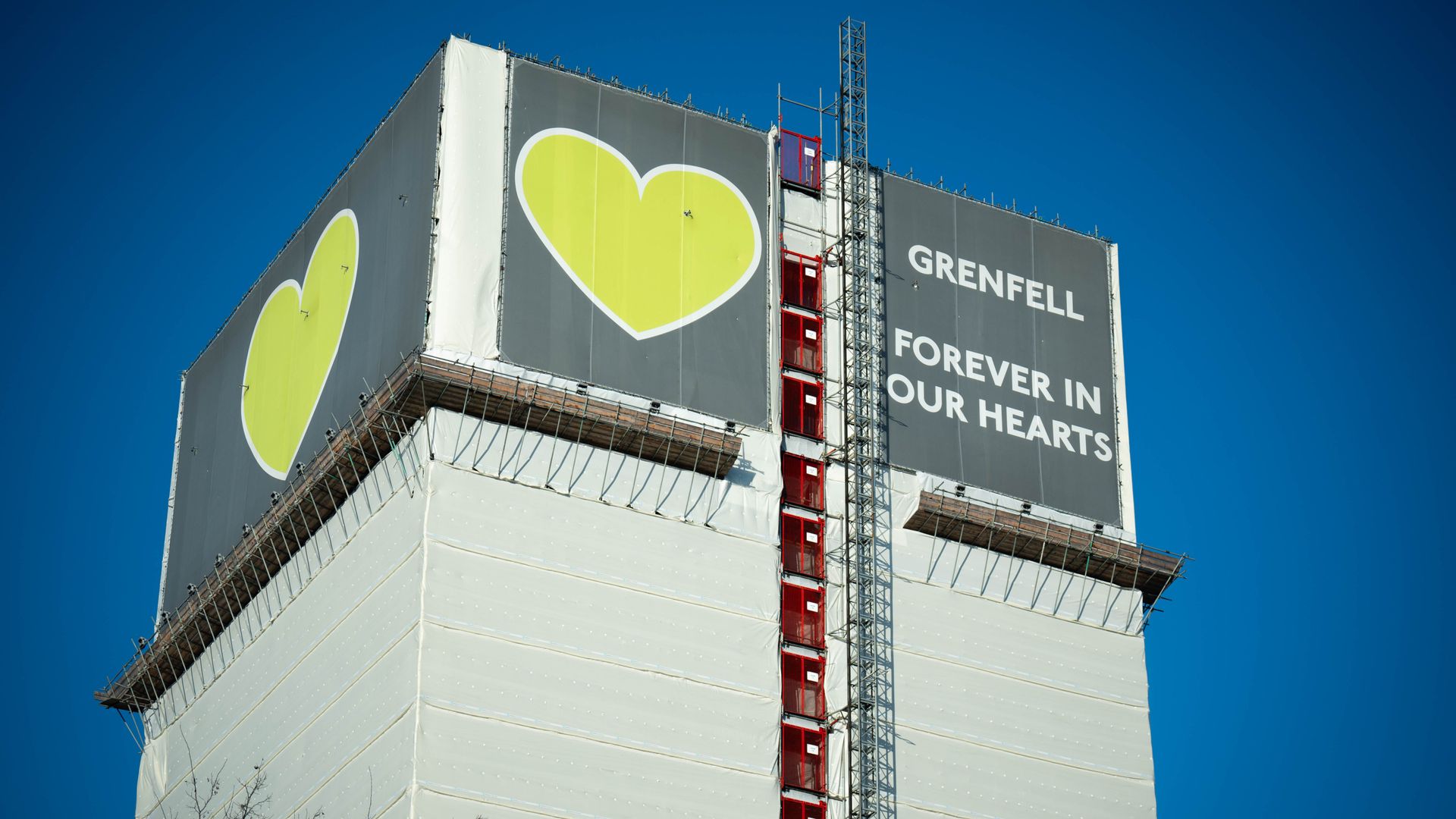
Seventy-two lives ended on June 14, 2017, when fire tore through Grenfell Tower in West London. Almost a decade has passed, and true legal accountability has felt agonizingly out of reach for the bereaved and survivors. That changed when British police handed massive case files to prosecutors, urging them to consider corporate manslaughter and gross negligence charges against dozens of individuals and firms.
If you have followed this tragedy, you know the official public inquiry exposed a culture of systemic corporate dishonesty, regulatory negligence, and greed. But public inquiries don't put people behind bars. Criminal trials do. Now, the Crown Prosecution Service faces the monumental task of reviewing thousands of pages of evidence to decide who stands trial.
The Massive Scope of the Police Investigation
Investigators didn't rush this process. They couldn't. The Metropolitan Police built one of the largest criminal investigations in British history, examining over 15,000 people and 700 organizations.
The numbers behind the investigation show its sheer scale: To understand the bigger picture, check out the recent article by The Washington Post.
- 165 million electronic files gathered.
- 14,700 witness statements recorded.
- 27,000 physical exhibits secured, from large cladding panels down to individual screws.
- Case files submitted for 54 people and 20 corporate entities.
Police want prosecutors to look at multiple potential charges. These include gross negligence manslaughter, corporate manslaughter, health and safety violations, fraud, and misconduct in public office. It is a sweeping legal offensive targeting every layer of failure that turned a residential block into a death trap.
Corporate Malpractice Under the Microscope
The 2024 public inquiry report chaired by Sir Martin Moore-Bick painted a grim picture of the construction and manufacturing industries. It detailed how firms deliberately manipulated fire safety tests, twisted data, and misled the market about the flammability of cladding and insulation.
Companies sold products they knew were dangerous, prioritizing profit margins over human safety. When corporate entities face charges like corporate manslaughter or fraud, the legal system targets the rot at the top of these commercial operations. For years, critics argued that white-collar negligence escaped the severe penalties handed down to street-level crimes. This prosecution review aims to correct that imbalance.
Families and survivor groups like Grenfell United have made their stance crystal clear. They’ve waited nearly ten years for justice, fighting tooth and nail against bureaucratic delays. They want to see real consequences—prison sentences for individuals whose choices directly contributed to the disaster. No family should ever have to fight this hard for accountability.
What Happens Next in the Legal Process
The Crown Prosecution Service has committed to making formal charging decisions before the tenth anniversary of the fire in June 2017. That gives prosecutors a strict timeline, though reviewing 165 million documents is no small feat.
Specialist prosecutors are now combing through the evidence to determine if there is a realistic prospect of conviction and if prosecution serves the public interest. The process will test the limits of corporate accountability laws in the United Kingdom.
We are standing at a crucial turning point for corporate crime enforcement. If these charges stick and lead to convictions, it will send a seismic shockwave through the construction, manufacturing, and regulatory sectors. Negligence on high-rise residential buildings will no longer be viewed as a mere regulatory fine or cost of doing business. It will be treated as what it truly is: a preventable crime with devastating human costs.