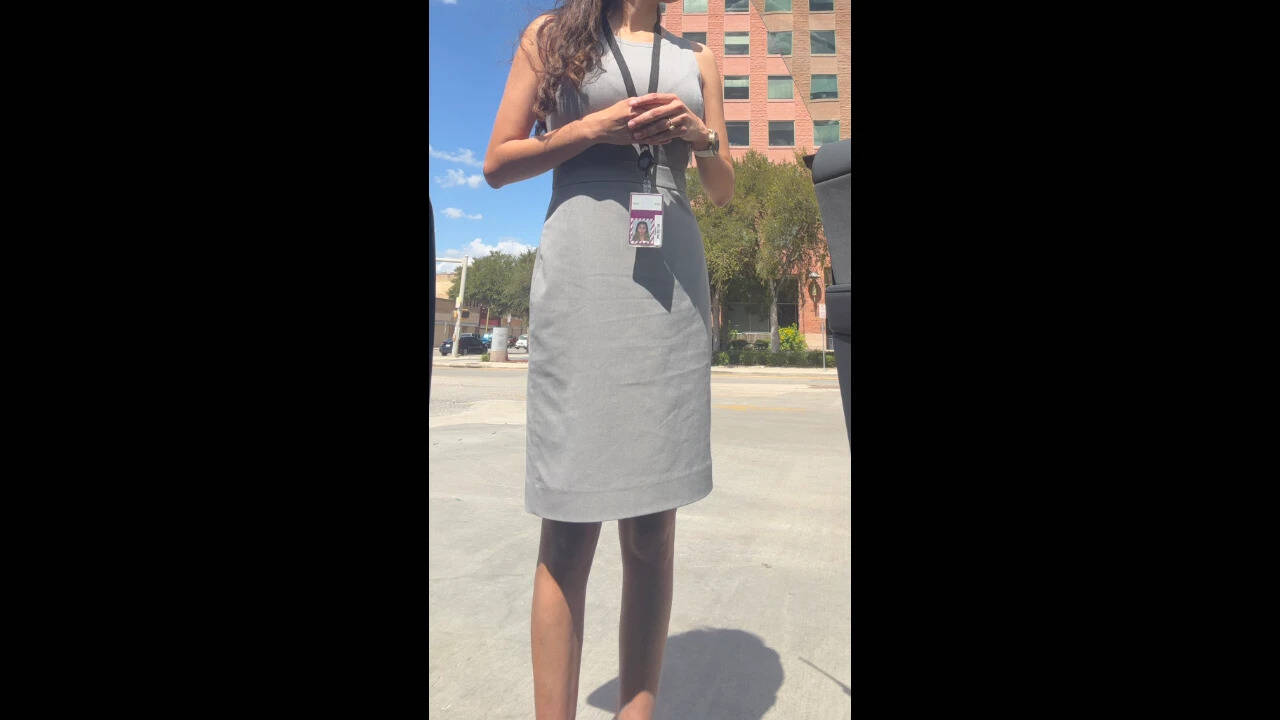
Courtrooms are supposed to operate on rules of evidence, procedure, and legal argument. Too often, they operate on unwritten aesthetic rules that vary wildly depending on who sits on the bench. When criminal defense attorney Mariah Medina walked into a Texas courtroom wearing a knee-length sleeveless dress, she expected a standard legal proceeding. Instead, she got a public reprimand from Judge Yolanda Huff, who characterized the outfit as an inappropriate "tank top" and suggested she needed to cover up.
When Medina broke her silence and called the interaction "pure shock," it triggered a massive online debate. People took sides instantly. Some argued that professional standards require strict modesty. Others pointed out that professional attire rules are outdated, arbitrary, and disproportionately targeted at women. Let's look past the viral noise and examine what this incident actually reveals about courtroom culture, professional bias, and why legal dress codes need an urgent update.
What Actually Happened in the Courtroom
The interaction wasn't a quiet sidebar whispered out of earshot. According to Medina, Judge Huff addressed her attire directly, telling her the dress was unacceptable for trial proceedings and advising her that attorneys have a duty to cover up and wear blazers in the future. Judge Huff later defended her actions, claiming she spoke softly and quietly to avoid embarrassment and arguing that Medina turned a private correction into a public spectacle by posting about it online.
Medina saw it differently. Having spent years working as an investigative reporter before transitioning to criminal defense, she recognized the encounter for what it felt like: a demerit handed out on subjective grounds rather than statutory rules. She noted that there is no written rule in that jurisdiction requiring female attorneys to wear blazers or forbid sleeveless, professional knee-length dresses.
The Problem With Subjective Courtroom Standards
Ask five different judges what constitutes professional attire, and you will likely get five different answers. That is the core issue here. Vaguely defined expectations leave attorneys vulnerable to the personal preferences, biases, and generational views of whichever judge happens to preside over the docket.
Local attorney Joe Holscher weighed in on the controversy, noting that attorneys wear outfits similar to Medina's all the time in local courtrooms. He pointed out that it is entirely commonplace and meets normal baseline standards for professional wear. When standard practice in a legal community clashes with an individual judge's personal preference, who gets to decide the line?
If a dress code is unwritten, it cannot be reliably followed. When rules rely entirely on subjective enforcement, they become tools for arbitrary control rather than instruments of courtroom decorum.
Why Women Bear the Brunt of Professional Dress Policing
We can't talk about this incident without addressing the double standard built into professional appearance guidelines. Male attorneys face a straightforward uniform requirement: a suit, a collared shirt, and a tie. Once a male lawyer puts those on, he is rarely, if ever, pulled aside by a judge for violating modesty standards or looking unprofessional.
Women navigate a much narrower, heavily policed tightrope. They must look professional, authoritative, and serious, yet they are simultaneously subjected to critiques about sleeve length, neckline cuts, shoe styles, and hair. A sleeveless dress that looks sleek and professional in a corporate boardroom or a modern office can suddenly become a lightning rod for criticism in a courtroom simply because an older judge prefers nineteenth-century conservative aesthetics.
This hyper-focus on women's bodies and clothing distracts from the actual work happening in the courtroom. Medina wasn't on trial. Her client was. The fact that courtroom energy was diverted to critique an attorney's shoulders instead of addressing the legal merits of the docket shows a misplaced set of priorities.
The Generational Divide in the Legal Profession
This controversy highlights a deep cultural friction within the legal industry. Older generations of jurists often cling to traditional formalities, viewing strict adherence to old-school visual standards as a marker of respect for the court. Younger attorneys, who trained and practiced in a modern professional world where comfort, climate practicality, and contemporary styles intersect, view these rigid demands as pointless gatekeeping.
Respect for the judiciary shouldn't depend on whether an attorney's shoulders are covered by a heavy wool blazer in the middle of a hot Texas afternoon. Real respect comes from rigorous preparation, accurate filings, persuasive advocacy, and professional courtesy toward opponents and the court.
Where the Legal Profession Goes From Here
Incidents like this shouldn't just blow over as fleeting social media drama. They offer a clear prompt for legal districts to establish explicit, written, and modern dress codes. If courts want specific standards, they need to publish them clearly so attorneys don't have to guess what an individual judge considers acceptable on any given day.
If you practice law or interact with the legal system, keep these practical takeaways in mind:
- Check local court rules: Always review specific local administrative orders to see if individual judges have unique standing orders regarding attire.
- Err on the side of caution when traveling jurisdictions: If you appear before a judge you do not know well, lean toward hyper-conservative attire until you understand their courtroom culture.
- Push for clarity: Encourage local bar associations to advocate for transparent, written guidelines that eliminate arbitrary enforcement.
Stop pretending that arbitrary dress policing equates to justice. It's time for courtrooms to focus on what lawyers do, not what they wear.