Borders rarely stay quiet for long when trust is entirely broken.
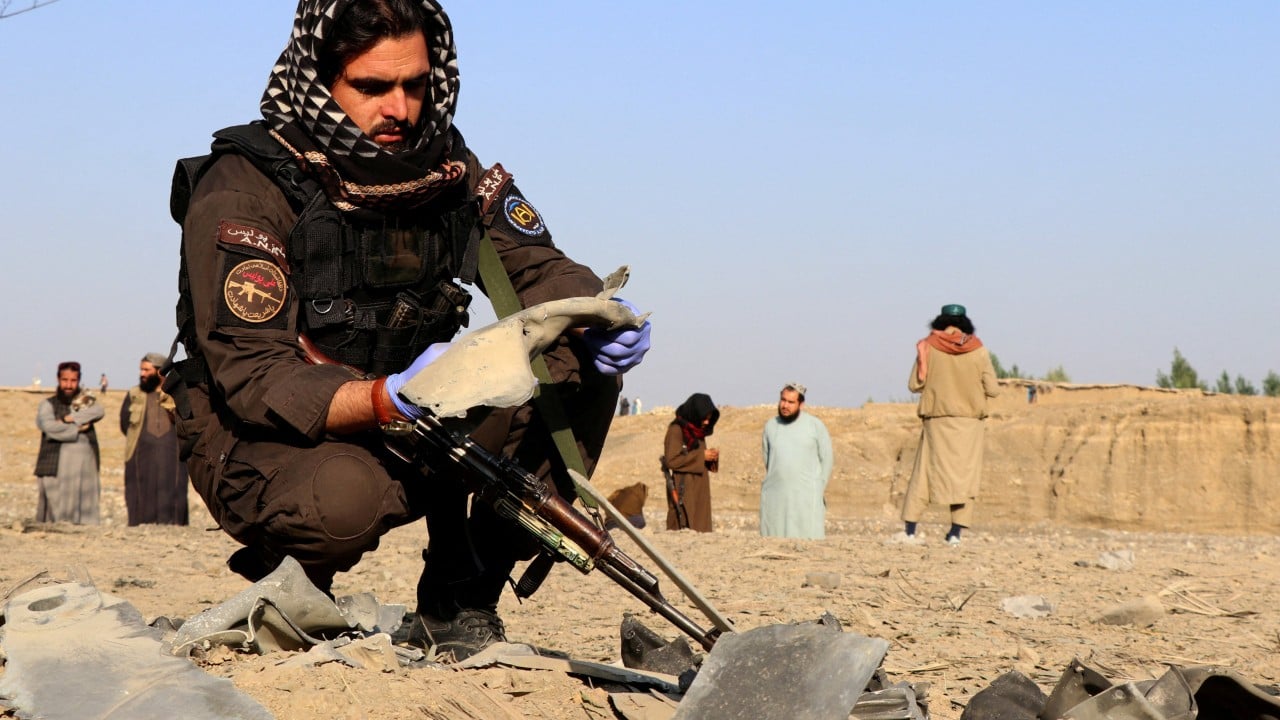
When Afghanistan's defense ministry announced that its forces had killed 28 fighters and wounded or captured dozens more in the eastern province of Nuristan, it wasn't just a routine border skirmish report. Kabul claimed the armed group had crossed directly from Pakistan, backed by regional militias and intelligence agencies, carrying former Afghan security personnel into the Kamdesh district. Islamabad fired back instantly, calling the allegations frivolous, baseless, and entirely false.
You're watching a volatile geopolitical friction point turn hotter. Let's look at what's actually happening behind the diplomatic noise.
The Nuristan Incursion and State Accusations
The incident in Nuristan's remote Kamdesh district didn't happen in a vacuum. According to Afghan officials, the invading group included Islamic State elements and former security personnel allegedly recruited or trained across the border. When Afghan forces launched their operation, the surviving fighters reportedly retreated toward Pakistani militia positions that had coordinated the push.
Islamabad rejects this narrative completely. Pakistan's information ministry stated that Kabul produced zero credible evidence, writing off circulating footage as staged propaganda.
Yet, the timing tells its own story. This clash arrived hot on the heels of Pakistani airstrikes inside Afghanistan on September 21. Islamabad claimed those strikes eliminated 28 militants. Kabul and United Nations monitors countered that civilian lives were lost instead, confirming at least three civilian deaths.
Why the Cross-Border Blame Game Never Stops
You can't understand modern South Asian security dynamics without looking at the revolving door of accusations. Pakistan has spent years accusing the Afghan Taliban of sheltering groups like the Tehreek-e-Taliban Pakistan (TTP), which launch attacks inside Pakistani territory. Kabul denies harboring anti-Pakistan militants.
Now, the script has flipped in Kabul's eyes. Afghan authorities are pointing fingers right back, alleging that Pakistani intelligence is utilizing former members of the collapsed US-backed Afghan security forces to destabilize eastern provinces.
When both neighbors accuse each other of backing insurgents while counting bodies on their respective sides of the Durand Line, diplomatic channels freeze.
What This Means for Regional Stability
Independent verification remains nearly impossible in these rugged border zones, leaving analysts to parse conflicting press releases and social media videos. What is clear, however, is that containment is failing.
Militant networks thrive in the gaps between weak state control. As long as Islamabad and Kabul view each other through an existential lens of proxy warfare and border violations, tit-for-tat operations will keep escalating. Expect more rhetoric, more closed crossings, and more localized violence until real security cooperation replaces mutual paranoia.
Stop expecting a diplomatic breakthrough anytime soon. The border remains a powder keg.