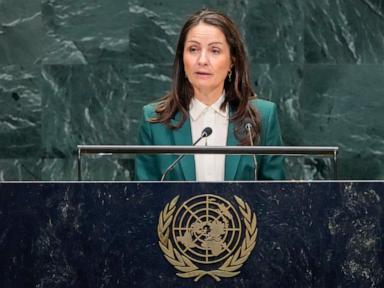
The Arctic is heating up, and nobody is pretending it's just about melting ice anymore. When Denmark's United Nations ambassador, Christina Lassen, stepped up to the podium at the UN General Assembly, she didn't mince words. She defended the freshly minted trilateral security pact between the United States, Denmark, and Greenland, arguing that it safeguards everyone involved.
If you look past the diplomatic handshakes in New York, you'll see a high-stakes geopolitical chess match. For years, critics wondered if small Arctic populations would get squeezed out by Washington's superpower ambitions. Instead, the September 2026 agreement gives Greenland a direct seat at the table as an official co-signer, fundamentally updating the older 1951 bilateral defense framework.
Here is what most casual observers miss about the deal.
What the Greenland Security Pact Actually Changes
For decades, the United States relied on the 1951 defense treaty to maintain installations like Thule Air Base. But that treaty was a product of the Cold War era. It ignored modern security threats from adversarial nations eyeing Arctic shipping lanes and mineral wealth.
The new agreement fixes those blind spots with concrete restrictions:
- No Non-NATO Bases: Hostile or non-NATO powers are strictly banned from establishing manned or unmanned military installations across Greenlandic territory.
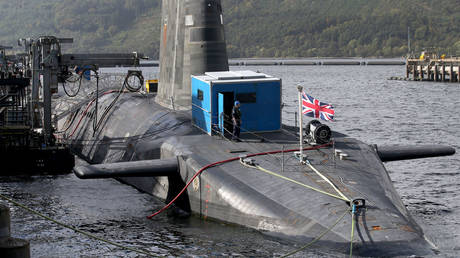
- Undersea Access: The U.S. military gains expanded operational mobility, including crucial undersea corridors to monitor strategic maritime routes.
- Permanent Framework: The accord has no expiration date, and if Greenland eventually chooses full independence from Denmark, it remains bound to NATO and inherits the existing defense commitments.
Lassen made it clear to the UN assembly that strengthening Greenland's defense directly bolsters the entire North Atlantic Treaty Organization and the American continent. It is basically a defensive shield built for a multipolar world.
Why Denmark and Greenland Signed On
You might ask why Copenhagen and Nuuk agreed to give Washington wider military latitude. Sovereignty is a sensitive issue, especially for a territory moving toward self-determination.
The secret lies in co-ownership and explicit boundaries. Greenland's prime minister emphasized that the text explicitly respects local sovereignty and territorial integrity. By signing as an equal partner rather than a passive bystander, Greenland ensures that its own voice dictates how foreign troops operate on its soil.
Furthermore, Denmark avoids the impossible financial burden of trying to defend a massive, resource-rich Arctic island entirely on its own. Protecting millions of square miles of frozen terrain takes billions of dollars and sophisticated naval assets. Sharing that load with the U.S. military keeps the region secure without draining European defense budgets.
The Real Test Ahead
Signing a treaty at the United Nations is easy. Implementing it without alienating local communities is where things get messy.
Local populations in Greenland care deeply about environmental protection, fishing rights, and commercial independence. If increased U.S. base construction disrupts traditional hunting or fragile Arctic ecosystems, political backlash will follow swiftly. Washington and Copenhagen have to prove that expanded defense areas won't trample local laws or indigenous customs.
Watch how infrastructure investments roll out over the next twelve months. If the signatories honor local oversight while locking down Arctic security against rival powers, this pact might actually become the gold standard for modern geopolitical cooperation.
Take a close look at how defense ministries fund these new installations next quarter. That will tell you whether this alliance is built to last.