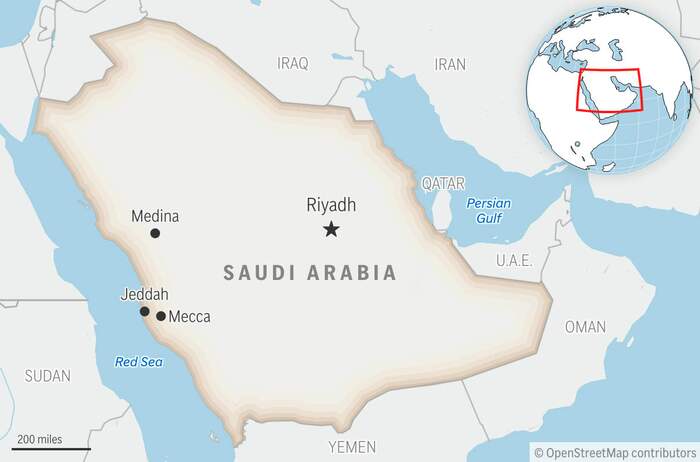
Explosions rocked Saudi Arabia’s capital on Thursday, triggering frantic terminal evacuations and grounding hundreds of international flights at King Khalid International Airport. When ballistic missiles hit near the financial heart of the kingdom, it wasn't just another regional skirmish. It marked a sharp escalation in a wider regional conflict that is now directly threatening civilian aviation and global energy corridors.
If you've been tracking the geopolitical friction across the Middle East, you know that threats against Saudi infrastructure aren't entirely new. But hitting Riyadh's main international hub with repeated strikes—causing casualties and forcing emergency evacuations—changes the stakes entirely.
What Actually Happened on the Ground
Witnesses inside Riyadh's King Khalid International Airport reported hearing massive blasts on Thursday afternoon, followed by immediate orders to halt outgoing flights, leave checked-in luggage behind, and clear the terminals. Fire and ambulance crews deployed quickly as visible smoke rose near the facilities.
Flight-tracking monitors confirmed that the airport shut down operations completely, with both arrivals and departures frozen for hours. Major international carriers reacted fast. Air India suspended operations through Saturday, while Lufthansa Group grounded its Riyadh flights through October 16.
The Iran-backed Houthi rebels in Yemen claimed responsibility for the missile barrage, warning global airlines against operating in Saudi airspace and telling residents to steer clear of oil facilities. Meanwhile, the Saudi-led coalition stated that air defense systems intercepted and destroyed multiple incoming ballistic missiles targeted at Riyadh and Khamis Mushait. Debris from one interception caused damage to a local kindergarten and a medical complex, though officials reported no immediate casualties from that specific fall.
The Strategic Fallout and Regional Realities
These attacks didn't happen in a vacuum. They come directly on the heels of a major Saudi-led ground and air offensive in Yemen. That military push is designed to retake territory along Yemen's western Red Sea coast and around the critical Bab el-Mandeb Strait—a vital maritime chokepoint that handles a massive share of global shipping traffic.
When the Houthis strike Riyadh, they're sending a direct message to the Saudi leadership over this ongoing offensive. They're trying to prove that distance and air defense shields don't guarantee immunity. At the same time, the human toll is mounting. Wednesday's airport strikes resulted in the first fatalities reported since the latest military campaign began, drawing sharp international condemnation from countries like Britain, India, and the United Arab Emirates.
How Allies Are Responding
Faced with a widening security threat, Riyadh is actively seeking reinforcement and defensive coordination. Turkey and Pakistan are currently weighing potential air defense, electronic warfare, and technical assistance under a trilateral framework. Turkish officials have emphasized that any cooperation remains strictly defensive rather than offensive, aimed at stabilizing the region through technical support and diplomatic channels.
The United States has also provided intelligence sharing, target identification, and planning support for the coalition's broader operations. Yet, the persistent threat to commercial airspace shows that traditional defense batteries face an ongoing challenge against asymmetrical missile and drone attacks.
What Comes Next for Regional Aviation
Airlines and travelers are paying the highest immediate price. Airspace over the region has become a high-risk zone, forcing carriers to reroute, cancel, or suspend schedules indefinitely. Insurance rates for flights operating near the Arabian Peninsula are climbing, and business confidence is taking a direct hit.
If you have travel plans or commercial interests tied to the region, expect prolonged disruptions and tighter security protocols. The conflict has moved past localized border skirmishes, and until a durable diplomatic or military resolution secures the airspace, commercial aviation in the capital remains on high alert.