The Pacific Coast Highway looks like a postcard dream. Speed past the ocean views in Malibu, and you'll see glittering waves on one side and multi-million dollar estates on the other. But beneath the scenic veneer lies a grim stretch of asphalt that refuses to get safer.
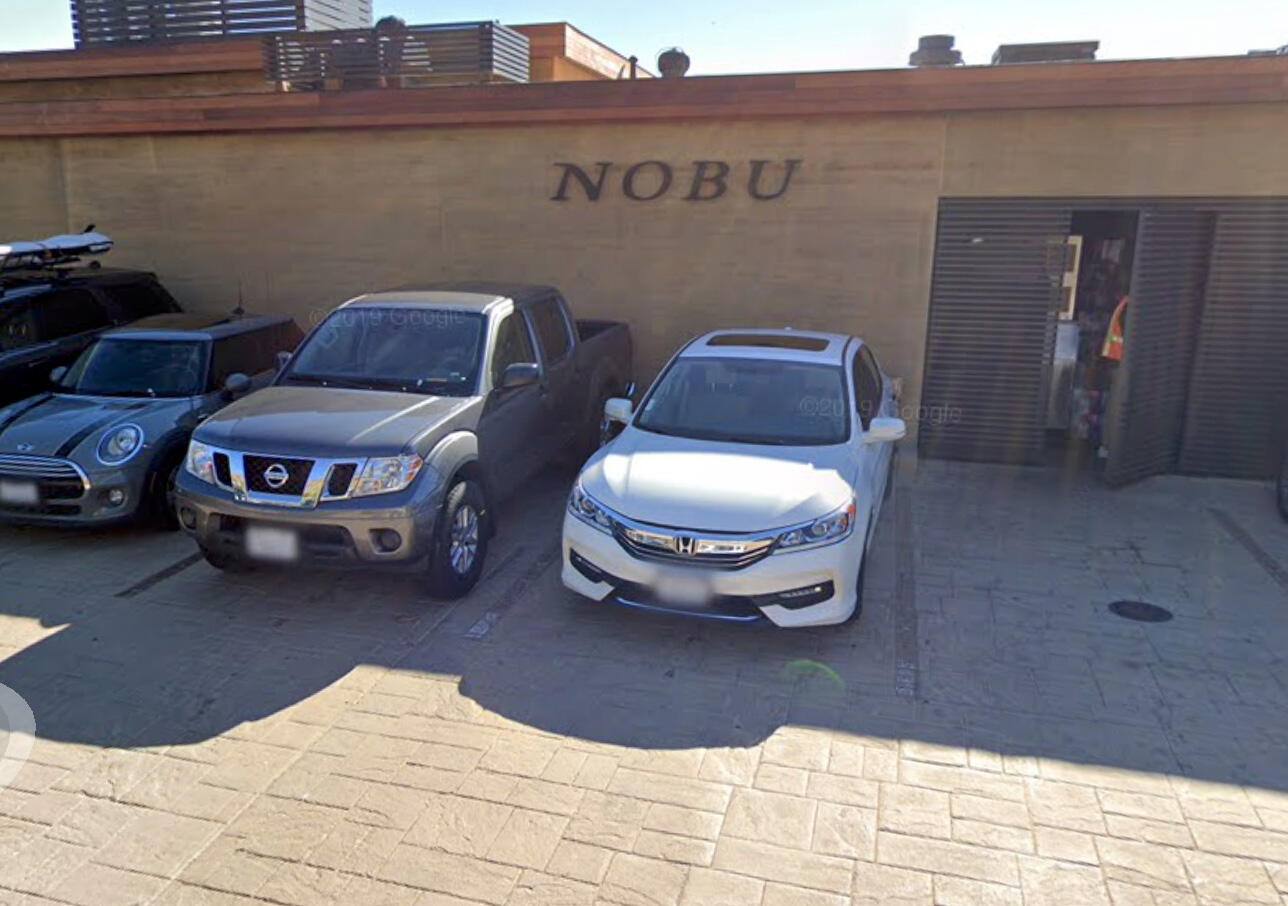
On a Saturday morning, that reality struck again. Ryo Uchimiya, a longtime chef at Nobu Malibu, parked his vehicle in the 22600 block of the Pacific Coast Highway. Around 6:50 a.m., a Range Rover driven by a 16-year-old boy drifted across the fog line and slammed into Uchimiya's car. Uchimiya was pronounced dead at the scene. Investigators from the Los Angeles County Sheriff's Department pointed to speeding as a primary factor, highlighting yet another tragedy on a coastal corridor plagued by reckless driving.
This stretch of highway is notorious. Over the last decade, the 21-mile Malibu corridor averages about four crash-related fatalities every single year. It is a scenic route that treats safety guidelines like loose suggestions.
A History of Preventable Tragedies
If this crash feels horribly familiar, it is because the highway's body count keeps rising. Drivers treat a heavily populated coastal roadway like an unrestricted racetrack. Further analysis by Al Jazeera explores related perspectives on the subject.
Think back to October 2023. A driver going an estimated 104 miles per hour in a 45-mph zone smashed into parked cars, killing four Pepperdine University sorority students. That incident sparked public outrage, emergency safety summits, calls for speed cameras, and promises of heightened patrols. Yet, years later, drivers are still flying down the blacktop with zero regard for human life.
When you combine heavy tourist traffic, local employees commuting early for shifts, delivery vehicles, and drivers treating speed limits as a joke, disaster is basically guaranteed.
Why PCH Remains a Death Trap
Local officials have tried rolling out countermeasures. Speed limits were lowered in various zones, especially following post-fire construction adjustments along parts of the corridor. Automated speed cameras are entering the conversation, and fines have gone up. But enforcement remains an uphill battle.
Law enforcement agencies are spread thin across a massive geographic area. You cannot station a patrol car every fifty feet. Drivers know this. They gamble with physics every single day, weaving through traffic, ignoring fog lines, and speeding past pedestrian zones.
The tragedy involving Ryo Uchimiya—a dedicated worker who had been with Nobu Malibu since its early days—underscores a terrifying truth. You can be completely stationary, parked legally outside your workplace, and still lose your life because someone behind the wheel of a heavy SUV is moving too fast to react.
What Needs to Change Right Now
Public awareness campaigns aren't cutting it. Warnings on electronic billboards get ignored by motorists staring at their phones or pushing the limits of their engines.
If cities and state agencies want to stop the bleeding on the Pacific Coast Highway, the response must escalate beyond mild fines and deferred camera rollouts.
- Aggressive automated enforcement: Install physical point-to-point average speed cameras across the entire 21-mile Malibu stretch so speeding drivers get ticketed automatically without relying solely on active police stops.
- Physical road hardening: Build protected parking bays and physical barriers where possible to separate parked vehicles and pedestrians from drifting traffic.
- Zero tolerance for youth recklessness: Hold underage drivers and vehicle owners strictly accountable when high-performance luxury cars are handed to teenagers who lack the maturity to handle them on dangerous roads.
Until concrete, unforgiving infrastructure changes are made, the Pacific Coast Highway will continue to claim innocent lives.