When a massive 7.7 magnitude earthquake hits, the ground doesn't just shake; it completely alters the reality of everyone standing on it. Panama experienced this exact terrifying jolt on a Friday afternoon when two heavy tremors—a primary 7.7 magnitude shock followed closely by a 6.6 magnitude jolt—hammered the country, sending panicked residents scrambling into the streets of Panama City and across the central provinces.
If you're wondering how bad the damage is and what's currently happening on the ground, let's break down the reality of what just hit Central America.
What Happened During the Panama Earthquakes
The initial jolt struck near the central province of Herrera, specifically positioned about 10 kilometers southwest of Pitaloza Arriba at a shallow depth of 10 kilometers. Because the rupture was shallow, the intensity near the epicenter was devastating. The United States Geological Survey initially pegged the event at a staggering magnitude 8 before refining it down to 7.6 and finally settling on 7.7.
Residents in Panama City, located over 100 miles away, felt skyscrapers sway violently. Kitchen items crashed to the floor, and thousands of office workers and residents poured out of buildings to seek open ground.
"We felt it very strongly," said Rosendo Dominguez, a 60-year-old resident from the Herrera province. "It knocked things over in the kitchen, but we're OK, though we're very scared. Everyone is outside."
Just when people thought the worst had passed, a second powerful tremor measuring magnitude 6.6 struck, compounding the panic and forcing emergency services to scramble across multiple provinces.
The Aftershock Sequence and Structural Damage
A single major earthquake is bad enough, but the real psychological and physical toll comes from the tail end. Seismologists at the University of Panama recorded more than 45 aftershocks cascading through the region immediately following the main events. These secondary tremors included sharp magnitude 5.8, 5.5, and 5.2 shocks that kept residents on edge.
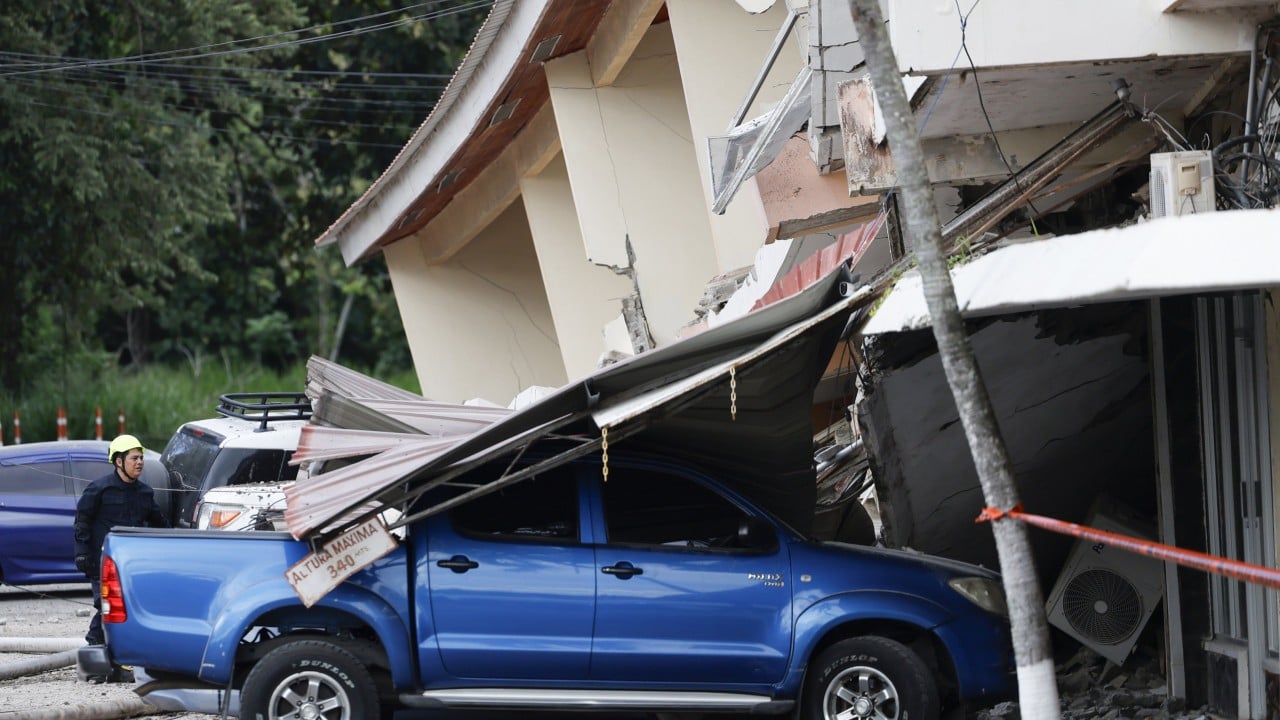
Near the epicenter, the destruction became quickly apparent. Historic architecture took a brutal hit. Local authorities confirmed a partial collapse and severe structural cracking at the main cathedral in the district's main square. The governor's office building and the Dos Continentes hotel also sustained visible damage.
In Los Santos province, the historic Church of San Atanasio—a revered colonial-style Catholic landmark originally declared a National Historic Heritage Site back in 1938—suffered severe structural failures. Out in Veraguas province, large fissures split open roadways, complicating emergency response efforts and isolating rural zones.
Why Shallow Depth Made This Quake So Dangerous
Seismology teaches us that depth dictates destruction. A deep earthquake happening hundreds of kilometers underground often dissipates its energy before reaching the surface. But this Panama event occurred at a shallow depth of just 10 kilometers.
When a 7.7 magnitude quake releases that much energy right near the Earth's crust, the ground acts like a trampoline. The seismic waves propagate rapidly across long distances, which explains why the tremors were felt so intensely far away, even triggering concern in neighboring Colombia.
What to Do If You Are in the Region Right Now
If you're currently in Panama or tracking the situation from abroad, uncertainty is high. Here is what you need to keep in mind regarding safety and ongoing risks:
- Expect More Aftershocks: Seismological tracking shows that aftershocks will continue for days, some of which may be strong enough to cause further damage to already weakened structures.
- Stay Out of Damaged Buildings: If you notice deep cracks, sagging roofs, or compromised foundations in your home or workplace, do not re-enter until local civil protection authorities clear the structure.
- Monitor Official Channels: Keep an eye on updates from the US Geological Survey, the University of Panama's seismology lab, and local emergency management services for the latest on infrastructure repairs and safety alerts.
The immediate crisis is far from over as engineers assess the structural integrity of historical sites, homes, and transit routes across the country. Stay alert, keep emergency supplies handy, and avoid taking unnecessary risks while the crust beneath Panama settles.