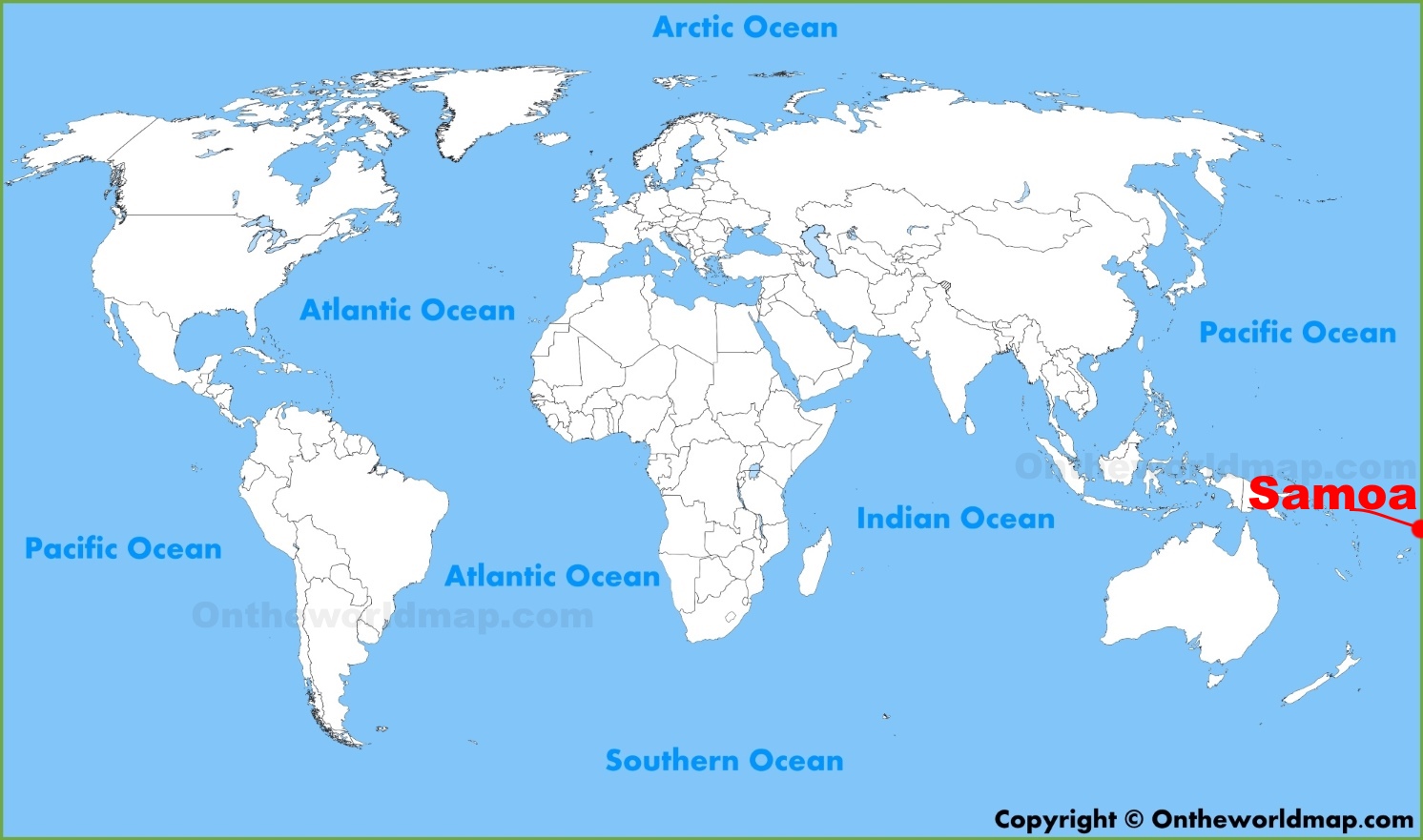
Old digital footprints always come back to bite public figures, but few resurfaced clips carry the bizarre weight of the recent Samoa controversy. When a decades-old video hit the internet showing Samoa Prime Minister Laʻauli Leuatea Schmidt shouting "Heil Hitler" and performing a Nazi salute at a family gathering, it triggered immediate international condemnation.
If you are wondering how a leader in the Pacific ended up tangled in a Nazi-related scandal from decades ago, the reality involves a mix of private family reunions, historical amnesia, and the relentless speed of modern news cycles. Let's look at what actually happened, why historians spoke out, and how the prime minister handled the fallout.
The 2007 Family Reunion Clip That Sparked Global Backlash
The controversy erupted after the Samoa Observer published a short, seven-second video clip. Filmed back in July 2007 during a Schmidt family gathering in Savai'i, the footage shows Laʻauli Leuatea Schmidt holding a microphone. He raises his right arm and calls out, "Raise your right hand, Heil Hitler!" Several other family members in the immediate vicinity mirror the gesture.
For nearly two decades, the footage sat in private archives. When it finally surfaced publicly, academics and international observers reacted with shock. Prominent Nazi Germany historian Richard Evans called the footage disturbing, while other academic voices pointed out that public figures cannot escape offensive actions simply because they happened years before taking office.
Schmidt took office as Samoa's prime minister in 2025. His administration has maintained distinct ties with Israel, notably featuring Jewish religious symbols during his swearing-in ceremony where he wore a prayer shawl and welcomed the sound of a shofar. Because of these deliberate diplomatic positions, the emergence of a video featuring Nazi imagery created a jarring political contradiction.
The Immediate Apology and Political Damage Control
Faced with swift backlash, Schmidt issued an official apology via the government's social media channels. He explicitly stated that he rejects antisemitism, Nazism, and all forms of political extremism. He maintained that the brief clip captured a foolish moment from a private family event that bore no relation to his actual beliefs or the principles of his government.
"I reject Nazism, antisemitism, racism and all forms of political extremism," Schmidt stated in his public address.
📖 Related: painting clouds with acrylic paint
Despite the harsh criticism from media groups and academics, Schmidt signaled that he considers the matter closed. He shifted his administration's focus back toward domestic economic hurdles and pressing social policies. Whether international partners will let the issue fade remains to be seen, but the event highlights a brutal reality for modern politicians: past actions recorded on tape will eventually find their way into the public eye.
What This Means for Digital Accountability
Politicians everywhere should view this scandal as a stark warning. In an era where archival footage and forgotten home videos can be digitized and shared globally within seconds, private ignorance has a short shelf life.
Excuses about youth or private contexts rarely neutralize the political damage once an offensive clip enters the mainstream media ecosystem. Leaders are judged by their entire body of work—and increasingly, by the careless moments they thought nobody else was recording.
Examine your own digital footprint, because accountability catches up to everyone eventually.