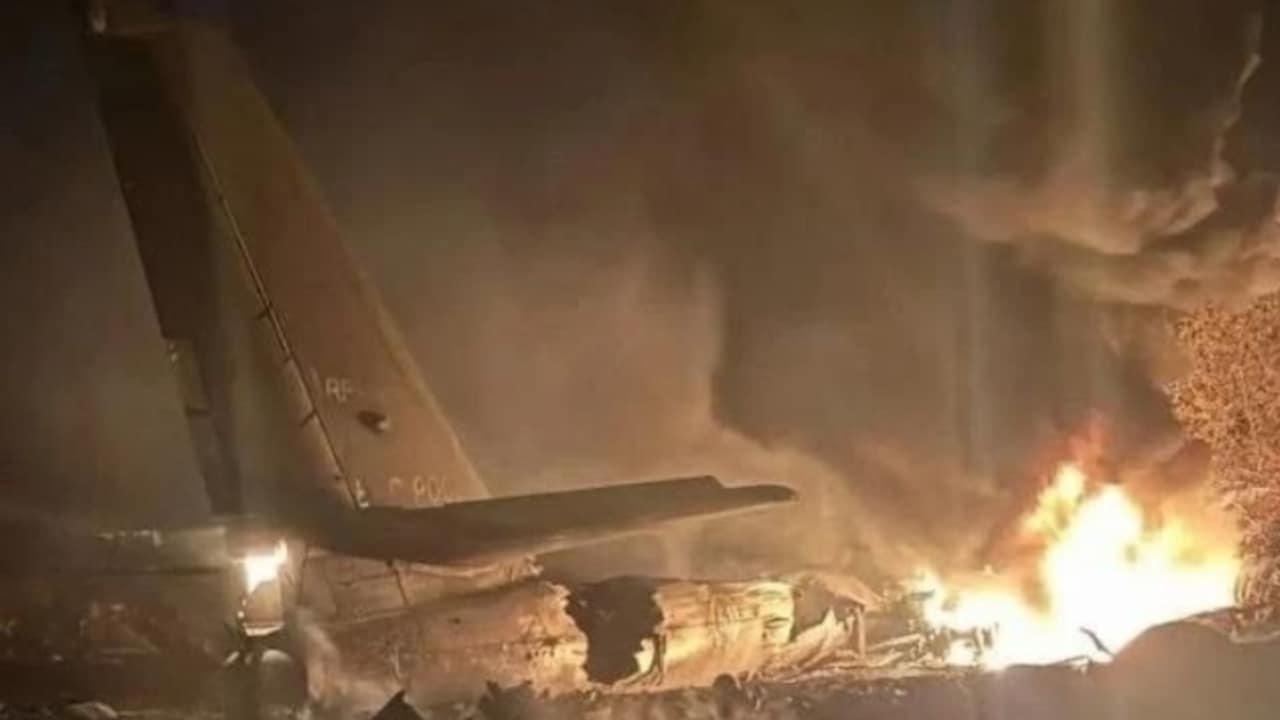
Plumes of thick black smoke rising over the Russian far east rarely signal good news for Moscow military planners. When a nuclear capable Tu-95MS strategic bomber goes down in flames during a routine training flight in the Amur region, killing six crew members and leaving just one survivor, the initial shock waves travel far beyond the crash site near Krasnoyarovo. It looks catastrophic. It hits headlines worldwide. But if you think this single fiery disaster grounds Russia's aging bear bomber fleet permanently, you are misreading how military aviation actually operates.
Let us look at the hard facts reported by the Russian defence ministry. The aircraft was flying without any ammunition load. It was on a standard training sortie. Engine failure or technical malfunction remains the primary suspect behind the tragedy, echoing a long history of maintenance challenges plaguing heavy airframes built during the Soviet era. Yet, despite the grim loss of life and the dramatic video footage circulating online showing the burning wreckage, Moscow will not alter its strategic posture. Planes crash. Militaries investigate, bury their dead, and keep flying.
The Heavy Price of Aging Aviation Heritage
The Tu-95 Bear is a machine wrapped in Cold War mythology. First taking flight in the 1950s, this turboprop-powered leviathan remains a core pillar of Russia's nuclear triad. Critics often point out that these airframes are old. They are noisy, structurally demanding, and heavily reliant on specialized maintenance crews who have spent decades learning their quirks.
Keeping a 1950s design relevant in the twenty-first century requires continuous modernization. Moscow has updated these planes with modern avionics and cruise missile capabilities, turning vintage metal into a contemporary standoff weapon platform. But modernization cannot completely repeal the laws of physics or mechanical fatigue. When you fly heavy bombers thousands of hours across Siberia, components fail. Metal gets tired. Hydraulic lines burst. A routine training flight can turn fatal in seconds.
Why Routine Training Exposes Vulnerabilities
People often wonder why military pilots practice in unarmed heavy bombers if accidents happen. The answer is simple. Proficiency is not static. A strategic bomber crew is not like a commercial airline crew flying automated routes on autopilot. They practice low-level navigation, emergency procedures, and nuclear delivery profiles under high-stress conditions.
Training accidents happen in every air force on earth. The United States Air Force has lost B-52s and B-1 bombers to mechanical failures over decades of operation. When a massive strategic platform goes down, investigators immediately look at three things:
- Powerplant failure during takeoff or initial climb
- Structural stress or control surface malfunction
- Human factor error under pressure
In this specific Amur region crash, the aircraft went down just minutes after takeoff in an uninhabited area. That single detail averted a much larger civilian disaster on the ground, but it gave the crew zero altitude to attempt an emergency landing or bail out safely. One crew member managed to survive and received medical attention, but six families are left grieving.
The Real Impact on Global Deterrence
Does a single Tu-95MS hull loss cripple Russian nuclear capabilities? Not even remotely. Russia maintains a substantial fleet of these strategic bombers alongside supersonic Tu-160 Blackjack bombers and land-based intercontinental ballistic missiles. Losing one training aircraft is a tragedy for the families and a localized logistical setback, but it does not shift the global balance of power.
Military analysts watching from Washington, Brussels, or Beijing know that attrition happens. Fleet commanders will likely order a brief, temporary safety check on remaining Tu-95 airframes to inspect similar engine components, but within weeks, the Bear fleet will be back in the air patrolling international airspace.
Keep your eyes on how defense ministries handle these incidents. They treat them as mechanical data points rather than existential crises. The Bear keeps flying because, despite its age, Moscow still needs it.