Local courtrooms across America are becoming the new battlegrounds for global energy policy. Right now, the U.S. Supreme Court is hearing a blockbuster case that could decide whether fossil fuel giants can be sued under state laws for the local costs of climate change.
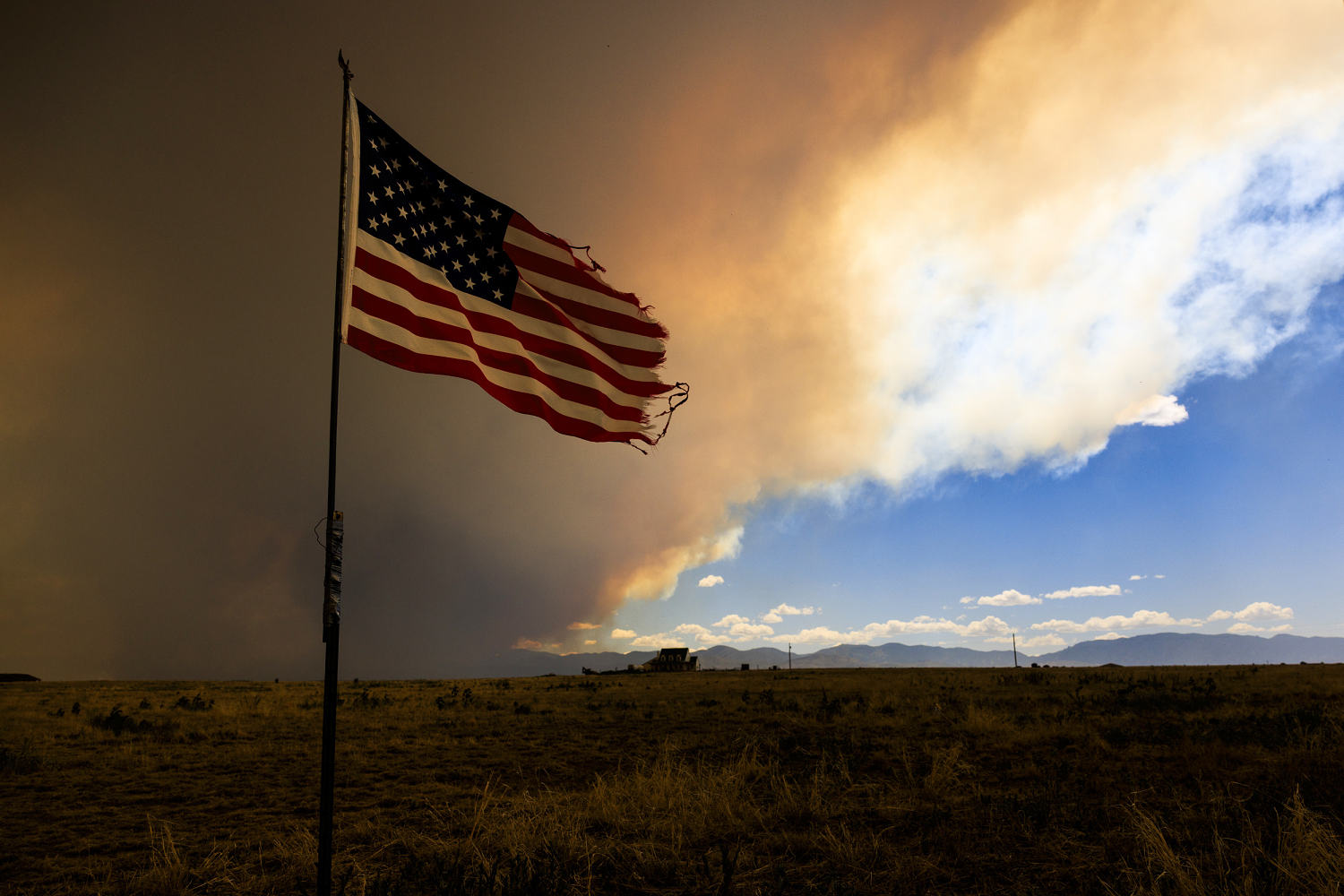
At the center of the dispute is a 2018 lawsuit filed by Boulder County and the city of Boulder, Colorado, against energy companies Suncor and ExxonMobil. Boulder argues that these companies knew decades ago that burning fossil fuels would turbocharge extreme weather, floods, and wildfires. When the devastating Marshall Fire tore through Boulder County in late 2021, reducing neighborhoods to ash, it brought the human cost of these climate risks into sharp focus. Local taxpayers are staring down hundreds of millions in adaptation costs, and they want energy companies to pay their fair share.
If you think this is just another routine corporate lawsuit, you're missing the bigger picture. This litigation touches on a fundamental tension in American law: Can a single state or municipality regulate global emissions through local tort claims, or does federal law block the backdoor approach to environmental policy?
The Core Legal Battleground
Energy companies and trade groups aren't standing still. They are asking the nation's highest court to shut down Boulder's lawsuit—and by extension, dozens of similar climate liability cases pending across the country. Their argument relies on federal preemption. They claim that because interstate emissions and air quality are regulated nationally via the Clean Air Act, local governments can't use state nuisance laws to penalize companies for global energy production.
Think about what's at stake. If the Supreme Court rules in favor of the energy companies, it effectively kills a wave of municipal lawsuits trying to hold corporate polluters financially accountable. If the court rules the other way, energy firms face an unprecedented patchwork of state-level trials, potentially opening the floodgates to billions in damages awarded by local juries.
Legal experts note that the timing and composition of the court add extra volatility. Justice Samuel Alito recused himself from the proceedings due to individual stock holdings in related energy sectors. That leaves eight justices on the bench. If the court splits evenly down a 4-4 line, the lower state court ruling—which allowed Boulder's lawsuit to move forward toward trial—will stand by default.
Why Local Governments Are Turning to the Courts
For years, frustrated local leaders watched federal climate legislation stall or shift depending on who sat in the White House. Communities on the front lines of climate change face immediate bills. They need to reinforce seawalls, upgrade drainage systems, and rebuild after historic wildfires.
Local officials argue they aren't trying to regulate global emissions or ban oil and gas. They are pursuing compensatory damages for alleged corporate deception. The core allegation is that these firms engaged in a decades-long disinformation campaign, actively downplaying known risks while continuing business as usual.
Industry backers push back hard, warning that weaponizing state courts against energy producers will ripple through the entire economy. Higher legal liabilities and compliance costs inevitably roll downhill, translating to steeper prices for gasoline, electricity, and everyday consumer goods. They argue that energy policy belongs in the halls of Congress and federal agencies, not in a Colorado courtroom where local judges dictate terms for worldwide industrial behavior.
The Broader National Ripple Effect
The implications stretch far beyond Colorado. Similar municipal and state lawsuits are crawling through courts in places like California and New York. A definitive ruling from the Supreme Court, expected by late June, will establish a national precedent.
If energy firms secure a broad win, it signals that federal environmental statutes completely crowd out state-level tort claims regarding climate impacts. If Boulder wins or survives dismissal, the fossil fuel industry faces a grueling future of defending operational history in front of sympathetic local juries.
Pay close attention to how the remaining eight justices handle the jurisdictional hurdles and preemption arguments over the coming months. This isn't just a dispute over a municipal wildfire bill. It's a high-stakes referendum on who carries the financial burden of a warming planet.
Take practical note of how local governments structure these complaints. Future municipal strategies across the country depend entirely on whether courts view climate adaptation through the lens of local consumer protection or federal environmental governance.