Diplomacy rarely moves in a straight line, especially when crude oil is trading above $100 a barrel and warships patrol the Arabian Sea. Iranian Foreign Minister Abbas Araghchi sat down with Qatari mediators in New York to pitch a plan that could reopen the choked Strait of Hormuz. Washington isn't biting unless Tehran puts its nuclear ambitions on the chopping block first.
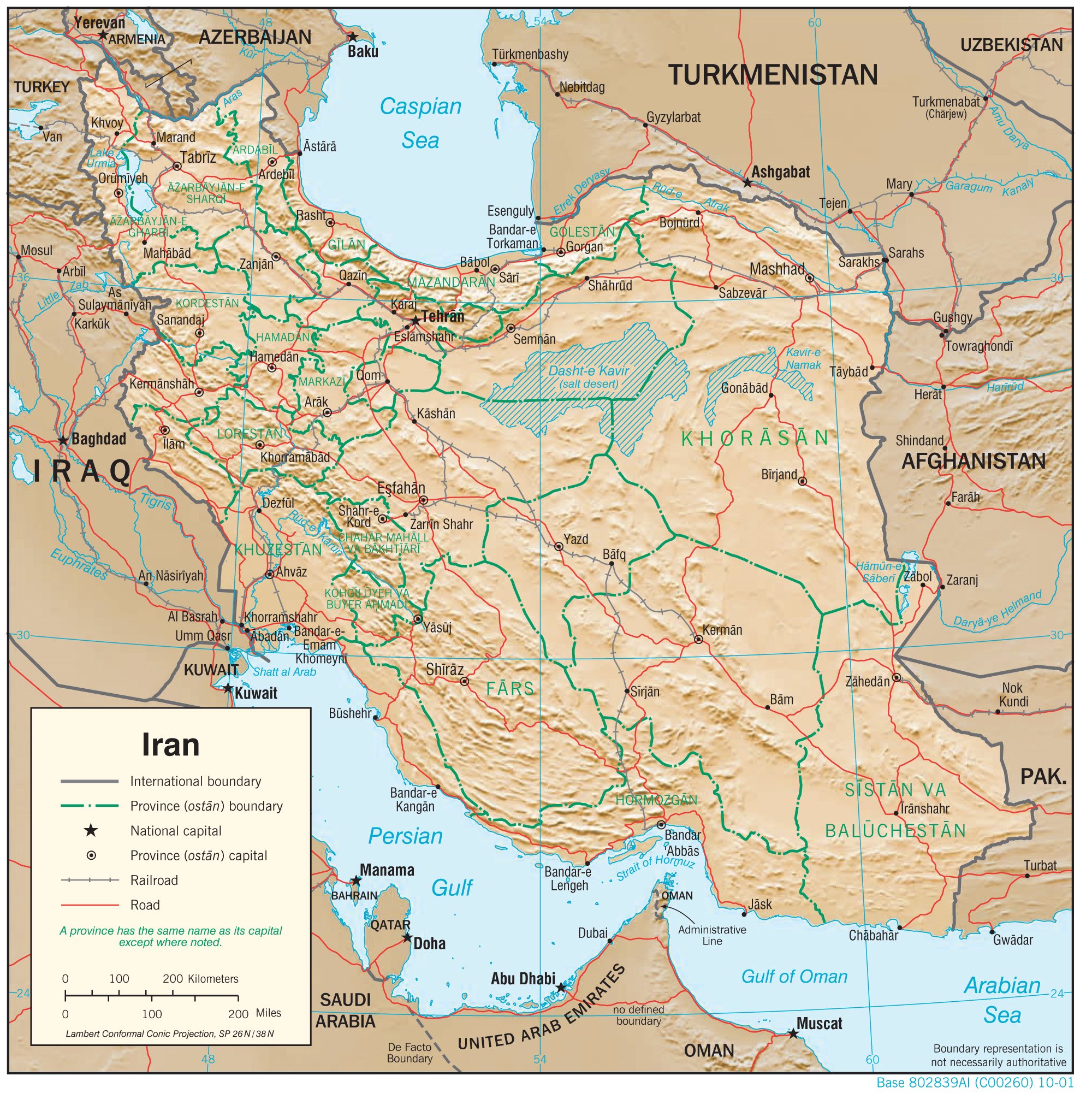
If you're wondering why this deadlock matters right now, look at your energy bill. The Strait of Hormuz used to carry twenty percent of the world's daily oil and gas supplies before the offensive kicked off on February 28. Now? It's a high-stakes chess match involving nighttime tanker runs, US Central Command escorts, and a stubborn diplomatic freeze.
What Iran Actually Proposed on the Table
Tehran's latest proposal looks clean on paper, but it's a non-starter for the White House in its current form. Announced at the United Nations General Assembly, the Iranian plan demands three specific actions from Washington:
- Release billions in frozen Iranian funds immediately.
- Lift sweeping international economic sanctions.
- Halt the naval blockade choking Iranian ports.
Araghchi claims these steps could wrap up in four or five days. Once done, Tehran promises to unlock the Strait of Hormuz, allowing formal negotiations on a final peace framework and the nuclear dossier to begin by day seven.
President Donald Trump rejected the offer flatly, calling it unacceptable. Why? Because Washington refuses to decouple regional shipping lanes from the core nuclear issue.
The Nuclear Standoff That Won't Die
You can't talk about Middle Eastern security without running headfirst into uranium enrichment. A senior US official speaking anonymously noted that indirect talks remain constructive, yet an ultimate deal is impossible without curbing Iran's nuclear capabilities.
Washington wants ironclad guarantees. Tehran wants sanctions relief first. It’s a classic sequencing dispute. Iran says it's flexible on the nuclear file, but neither side trusts the other to take the initial plunge.
Distrust runs deep on both shores. The US points to commercial vessels coming under fire despite previous memoranda of understanding. Tehran fires back that Washington broke faith by letting Israeli operations continue unchecked in Lebanon while trying to engineer bypass shipping routes around the blockaded gulf waters.
How Global Energy Markets Keep Surviving
Crude oil exporters are finding workaround routes, refusing to let total gridlock win. Data from maritime intelligence firm Kpler shows Middle East crude exports rebounded to 12.8 million barrels per day in September. That's a noticeable bounce from earlier months, though it still falls short of the pre-war baseline of 18.8 million barrels daily.
Much of this recovery relies on US military-supervised transit lanes hugging the Omani coast. Tankers slip through at night with their tracking systems turned off, offloading oil outside the danger zone. Admiral Brad Cooper of US Central Command reported that American forces have assisted over 2,000 transits, moving more than one billion barrels of oil through the bottleneck.
At the same time, regional aviation and transit face heavy disruption. Countries like Iraq, Oman, and the United Arab Emirates have scrubbed flights linked to blacklisted entities as secondary sanctions bite hard.
Defiant Rhetoric Versus Economic Reality
Trump remains confident that economic pressure will break Tehran's resolve. Speaking to reporters, he insisted the US would win quickly and predicted that retail fuel prices would tumble once the conflict resolves.
Tehran isn't backing down from its defiant stance either. Supreme Leader Mojtaba Khamenei issued sharp warnings marking historical conflicts, stating that foreign military dominance in regional waters is nearing its expiration date. Armed forces chief of staff Major-General Ali Abdollahi promised a devastating response to any military miscalculation.
Yet, economic reality tells a mixed story. Shifting trade routes north toward the Caspian Sea helps, but losing primary gulf corridors drains national revenues.
Keep an eye on the Qatari backchannels over the next forty-eight hours. If Araghchi flies back to Tehran without a counter-proposal from Washington, expect energy markets to react violently and naval tensions in the Arabian Sea to tighten even further.