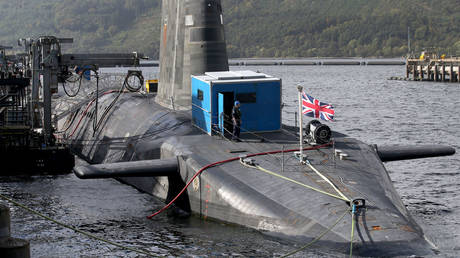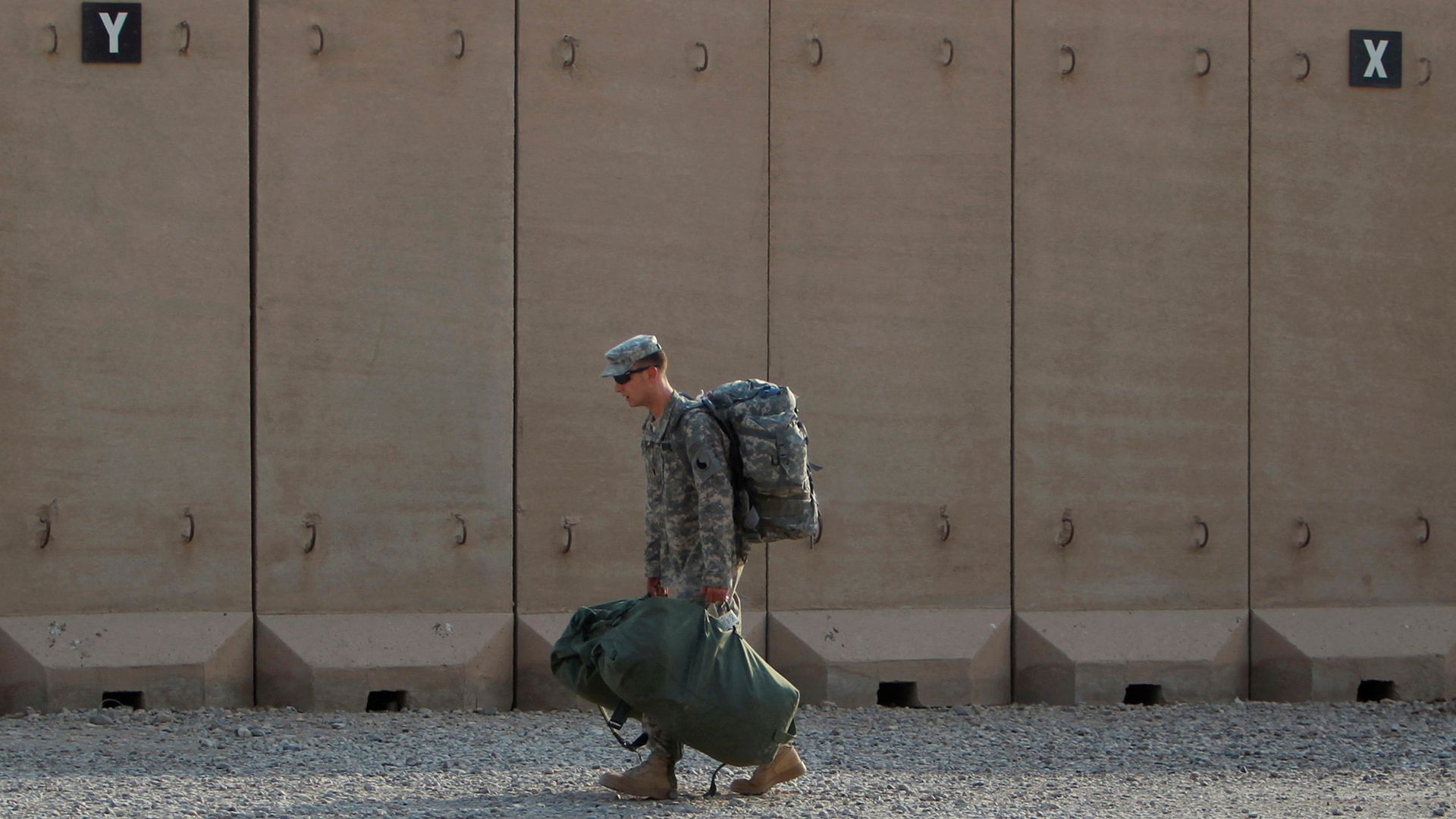
Two decades of American military presence in Iraq are winding down to a quiet, tense close. US forces are packing up their last remaining bases, ending a chapter that began with the 2003 invasion and cost roughly 4,500 American service lives. While Washington calls it a transition, Tehran calls it a massive win. You're looking at a profound shift in the Middle East, and the big question isn't just about who is leaving—it's about who is stepping into the void.
If you thought the departure of American boots from Iraqi soil meant a quiet retirement from Middle Eastern friction, you're missing the bigger geopolitical picture. Let's look at what's actually happening on the ground.
The Reality of the Iraqi Withdrawal
The final pullout from the remaining bases isn't happening in a vacuum. It was originally inked back in 2024 during Joe Biden's administration, and now Donald Trump's administration is carrying it out. But executing a military exit while direct tensions and shadow wars with Iran are flaring up creates immense anxiety.
Iraqi security analysts and regional experts are pointing out the obvious risk: a security vacuum. For over ten years, the US-led coalition provided air support, intelligence sharing, and specialized training that kept the Islamic State from staging a comeback. Without those capabilities anchored inside Iraq, the local security apparatus faces a massive stress test. As discussed in latest articles by The New York Times, the effects are significant.
And then there's the neighbor to the east.
How Iran Plans to Capitalize
Iran isn't trying to hide its reaction. Tehran views the American exit as a historic triumph for its "axis of resistance." Iranian officials have publicly welcomed the withdrawal, framing it as proof that persistent pressure from armed groups eventually works.
Here is what you need to know about the regional fallout:
- Pro-Iranian militias inside Iraq are expected to spin this departure as their own military victory.
- These groups are pushing to turn their momentum into tighter control over Iraqi state institutions and security policy.
- Without a physical American military footprint, Washington's remaining influence shifts entirely to economic levers, like the Federal Reserve's control over Iraq's access to US dollars.
It's a high-stakes balancing act for Baghdad. The current government wants to project independence and claim ownership of its national security, but keeping Iran-backed factions in check without American muscle is a tall order.
What Happens to the Fight Against ISIS?
A common misconception is that the Islamic State is completely gone. While ISIS no longer controls vast territorial caliphates, sleeper cells remain active in remote areas across both Iraq and Syria.
American military planners argue that the drawdown makes sense because the original mission—defeating the territorial threat of ISIS—largely succeeded. Yet, security experts warn that cutting the cord too fast could hand extremist factions the breathing room they need to regroup. Iraq and Syria function as a single theater in this fight. If the border regions destabilize further, everyone loses.
The Financial Leverage That Remains
Since physical military bases are gone, Washington's playbook is changing. The relationship won't end; it's just shifting form.
US companies are staying put in many sectors, and America's main influence will now run through diplomatic and financial channels. Iraq relies heavily on the US financial system to manage its oil revenues. That gives Washington a quiet tool to maintain leverage, but it also leaves Baghdad vulnerable to financial shocks if political alignments shift too far toward Tehran.
Don't expect the Middle East to stabilize just because the uniforms are coming home. The real competition for influence in Baghdad is only just beginning. Take a close look at how the central bank handles monetary policy and how aggressively local militias test the new boundaries over the next few months. That's where the real story unfolds.