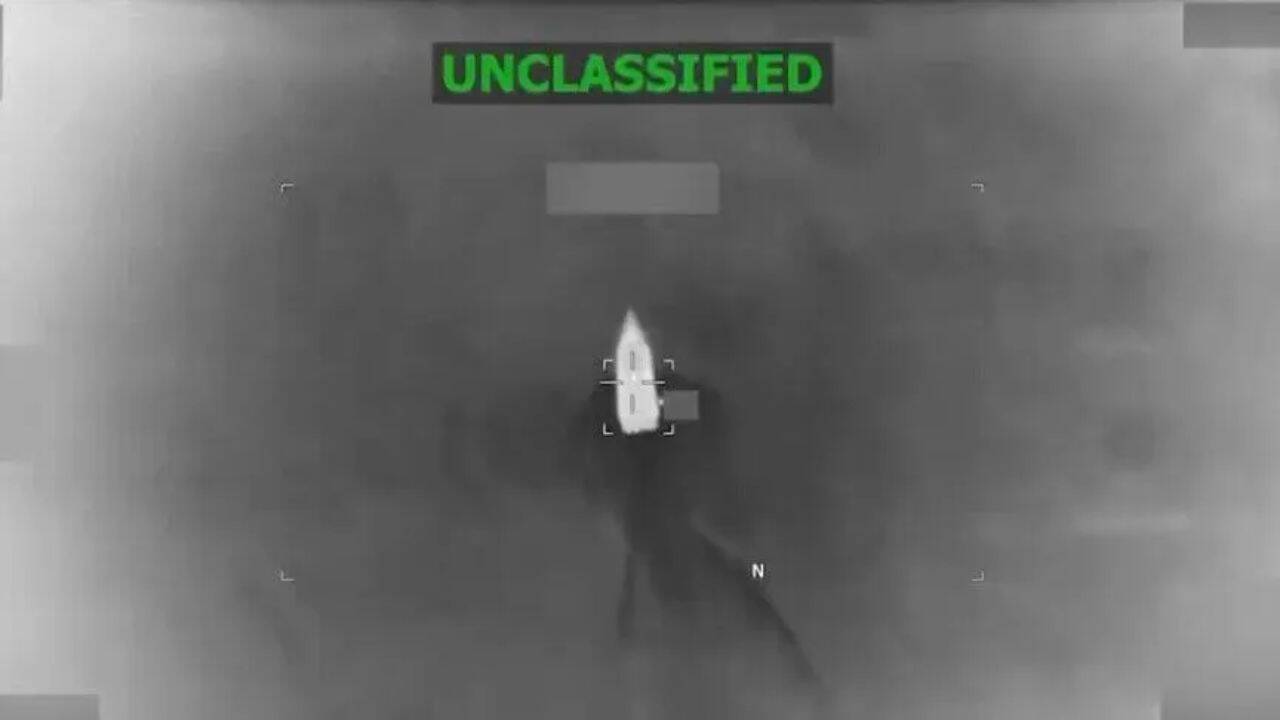
When a high-speed boat shatters across the blue waters of the Caribbean, it's rarely just a local police matter anymore. The US military recently carried out a lethal kinetic strike in the Caribbean Sea, killing four individuals on a suspected drug-trafficking vessel. Executed by Joint Task Force Western Hemisphere under the banner of the US Southern Command, this operation highlights a much broader, highly controversial shift in how Washington handles maritime narcotics.
If you're wondering why a routine counter-narcotics mission is triggering massive international alarm, you aren't alone. Over 220 people have been killed in similar US strikes in the Caribbean and eastern Pacific since September 2025. It's a staggering body count for operations that take place far outside traditional courtroom walls, raising urgent questions about international law, sovereignty, and accountability.
What Actually Happened in the Caribbean
The US Southern Command didn't mince words when releasing footage of the latest incident. They described the targeted individuals as narco-terrorists operating along well-known smuggling corridors. According to military statements, confirmed intelligence proved the vessel was actively moving illicit narcotics.
Yet, beneath the official briefings lies a stark lack of transparency. The military has consistently withheld the granular intelligence used to classify these civilian-style boats as legitimate military targets. When you start blowing up speedboats on the open ocean without public trials, transparency isn't just a nicety. It's the only thin line separating law enforcement from unchecked state violence.
The Growing Clash Between National Security and International Law
Human rights organizations aren't staying quiet about this trend. Heavyweights like Human Rights Watch and Amnesty International have labeled these maritime attacks unlawful extrajudicial killings. They argue that sinking a boat and killing its occupants without capture or due process violates fundamental protections under international law.
Independent United Nations experts share this grave assessment. Ben Saul, the UN special rapporteur on human rights and counterterrorism, has explicitly stated that there are reasonable grounds to believe these kinetic strikes amount to crimes against humanity under customary international law. Meanwhile, groups like the American Civil Liberties Union have slammed Washington's justifications as unsubstantiated and fear-driven.
Why This Strategy Persists Despite the Firestorm
Washington maintains that kinetic force is necessary to crush multi-billion-dollar cartels moving drugs into North America. Traditional coast guard interdictions—where crews chase, board, and arrest suspects—can be slow, legally complicated, and resource-heavy. Lethal strikes offer speed and immediate deterrence.
But does trading due process for speed actually work long-term? Critics point out that blowing up boats destroys physical evidence, eliminates potential intelligence sources who could flip on higher-ups, and invites dangerous legal retaliation from foreign nations whose citizens might be caught in the crossfire.
What Comes Next for Maritime Counter-Narcotics
The debate won't vanish anytime soon. As long as Washington keeps using military firepower against drug corridors, legal scholars and human rights advocates will keep pushing back.
If you want to track where this policy heads next, watch for three things:
- Potential congressional hearings demanding independent oversight of Joint Task Force Western Hemisphere.
- Formal inquiries or statements from Latin American coastal states whose territorial waters sit adjacent to these strike zones.
- Shifts in federal court challenges brought by civil liberties groups demanding transparency on target selection criteria.
The line between military defense and criminal justice is blurring fast. Understanding that shift is the only way to make sense of the violence unfolding off our shores.