Security failures don't happen in a vacuum. When an independent review drops a massive 158-page assessment detailing institutional blind spots, everybody points fingers.
The tragic shooting of conservative activist Charlie Kirk at Utah Valley University sparked months of fierce legal and public debate. Now, newly released findings from a consortium of security experts—including Robert L. Davis LLC, Doherty Advisory LLC, The Lake Forest Group, and Brownstein Hyatt Farber Schreck—paint a messy picture of miscommunication, inconsistent planning, and a fatal clash over outdoor event logistics.
Yet, the family's legal team isn't buying the university's narrative that institutional mistakes were merely accidental oversight.
What the Independent Probe Actually Discovered
Utah Valley University commissioned the exhaustive review to examine its campus planning, preparedness, and emergency response following the September 10, 2025 event. Over 70 interviews and thousands of pages of records later, the investigators found stark vulnerabilities.
There was no comprehensive written security assessment or structured event action plan for Kirk's appearance. Security planners ignored elevated vantage points like the Hall of Flags walkway. Crucially, they failed to conduct a documented line-of-sight assessment.
Even worse, a joint pre-event walkthrough and security briefing between university police and Turning Point USA's private security detail never happened.
The Core Dispute Over the Outdoor Venue
The battle lines over liability hinge heavily on where the event took place.
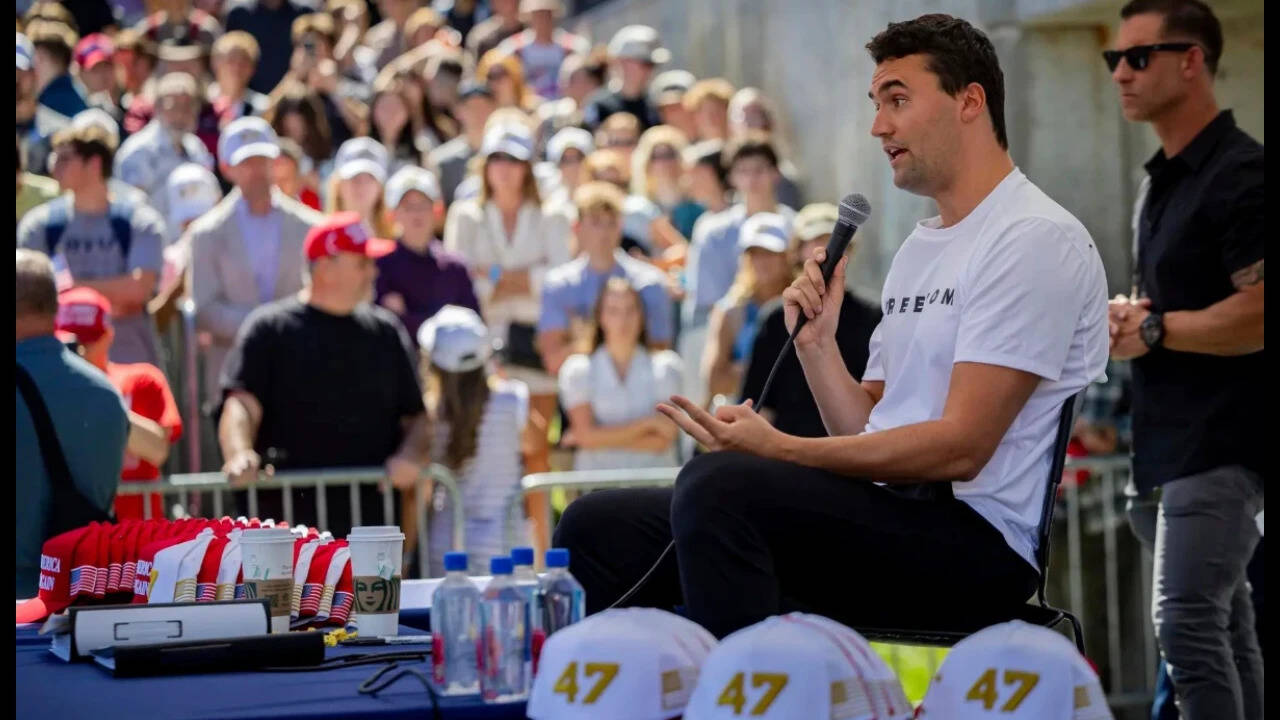
According to the investigative panel, UVU staff explicitly voiced concerns about holding the gathering at the campus fountain courtyard. They suggested alternative, more controlled indoor venues.
Turning Point USA rejected those suggestions. The organization insisted that the speech remain outdoors.
Compounding the risk was a massive breakdown in crowd estimation. TPUSA initially projected an attendance of around 600 people. Because the organization chose to manage its own ticketing independently, the university had no access to real-time data or reliable attendee tracking. That left campus police flying blind on actual crowd density.
The Family's Immediate Response
Brett Parkinson, an attorney representing Charlie Kirk's family, didn't mince words after the report went public. He argued that the review validates the family's initial Notice of Claim.
The family maintains that UVU held the ultimate legal duty to secure the campus and protect everyone on it, including guest speakers. Pointing out that university security was understaffed and unprepared, the family's legal team is demanding true accountability.
While the independent panel explicitly concluded that no individual UVU employee acted in bad faith or with "willful and wanton disregard for safety," that distinction offers little comfort to those grieving a preventable tragedy.
How the Institution is Responding
Universities rarely admit fault outright, but systemic pressure forces structural updates. In the wake of the findings, UVU established a brand-new Chief Public Safety Officer position. This role aims to unify campus police, emergency management, fire safety, and event operations under a single command structure.
Leadership claims they are overhauling event protocols and tightening cooperation with external law enforcement agencies. But for the people closest to Charlie Kirk, policy changes come far too late.
Look closely at how major public institutions handle high-profile political events. Bureaucracy and conflicting demands between guest organizers and campus security often create lethal gaps. Real safety requires shared responsibility, clear lines of authority, and the willingness to cancel outdoor events when security infrastructure simply cannot match the threat level.
Review your own organization's event safety protocols today. Demand written action plans, verify independent ticketing data, and never let external pressure override hard security limits.



