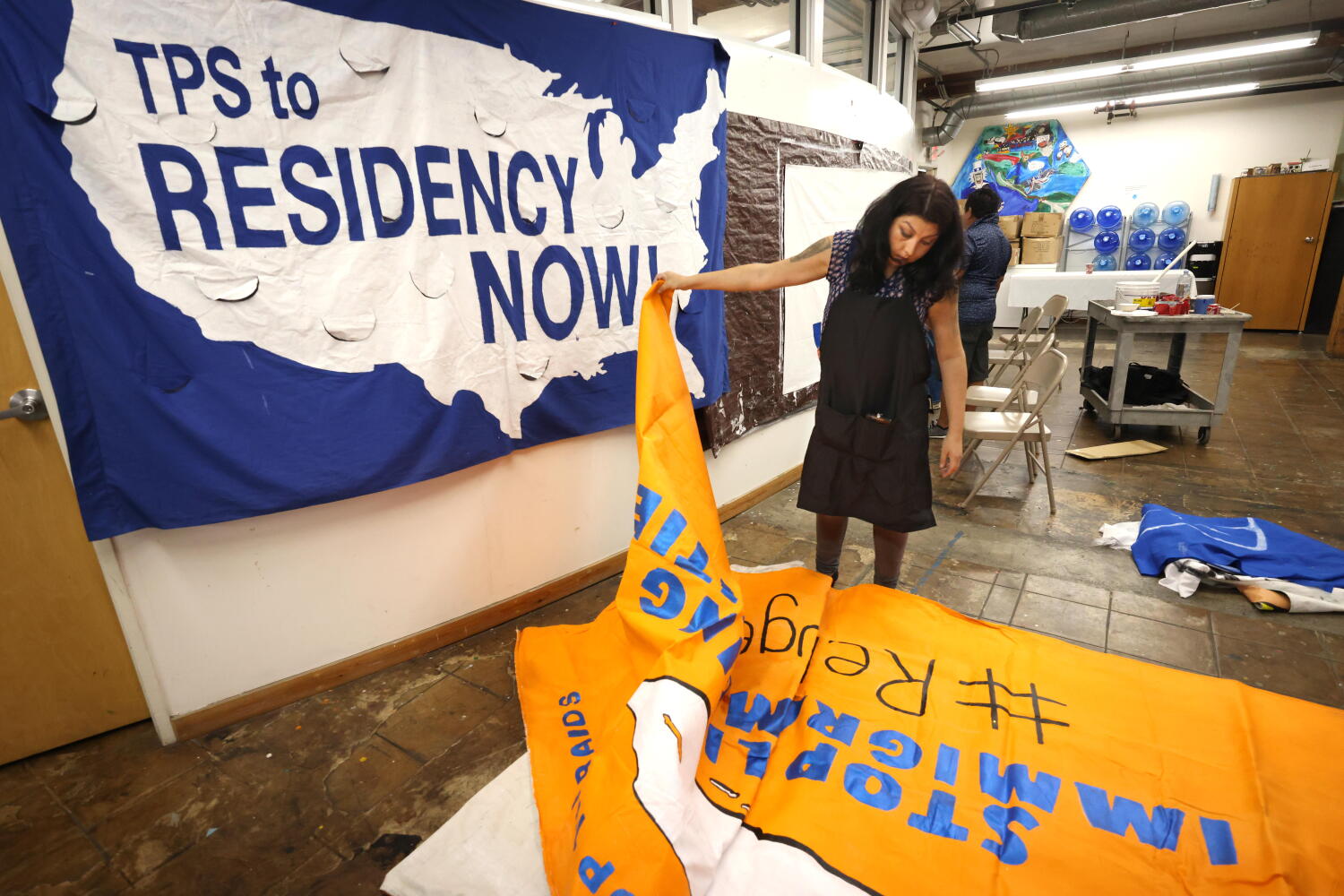
For over two decades, hundreds of thousands of Salvadorans have built their lives, raised families, and anchored communities across the United States under Temporary Protected Status. Originating after the catastrophic 2001 earthquakes, this humanitarian designation has repeatedly dodged outright termination. Yet as the clock runs down, the Trump administration finds itself trapped in a fierce internal tug-of-war over what to do next.
If you are wondering why officials cannot reach a firm verdict, look past the public talking points. The delay isn't an accident. It is the messy intersection of partisan hardliners, economic reality, and foreign policy maneuvering.
The Competing Pressures Behind the Delay
The Department of Homeland Security was reportedly all set to pull the plug on Salvadoran TPS protections. Then, the White House stepped in and slammed the brakes. Why? Political optics lead the charge.
Midterm elections bring intense pressure. Aggressive anti-immigrant actions appeal directly to a loyal conservative base. At the same time, abrupt mass disruption risks alienating vital voting blocs and creating economic friction that even party strategists want to avoid.
Then there is the foreign policy dynamic with El Salvador. President Nayib Bukele maintains a close, transactional relationship with Washington. Reports indicate that Bukele lobbied directly for breathing room, warning that abruptly yanking status from roughly 170,000 to 200,000 nationals would shock an economy heavily reliant on remittances sent back home.
Domestic Realities Clash With Hardline Ideology
Political calculations tell only half the story. Practical economic dependencies create an entirely separate set of headaches for the administration.
Key figures within business and development sectors have raised quiet alarms about labor shocks, particularly in industries like urban construction. Outlets such as The New Yorker flagged internal warnings that stripping legal protections from long-term workers would stall critical building projects right in Washington, D.C., and other major hubs. While official spokespeople brush off those claims, the underlying tension remains real: hundreds of thousands of experienced workers keep critical sectors humming.
When ideology runs headfirst into labor shortages, paralysis usually follows.
What This Means for TPS Holders Right Now
Uncertainty leaves families in administrative limbo, but the immediate rules are clear. Until an official announcement lands from the Department of Homeland Security, existing protection terms and valid work authorizations continue under current guidelines. USCIS has rolled out instructions regarding validity, reminding everyone that status holds until the administration issues its final word.
If you or someone you know relies on this status, do not panic-scroll through social media rumors. Keep a close eye on official government notices rather than political commentary. Evaluate independent immigration options—such as pending family petitions or other statuses—just in case the safety net finally snaps.
The administration wants to project absolute control over borders. But when it comes to Salvadoran TPS, hesitation rules the day because every available option carries a heavy cost.