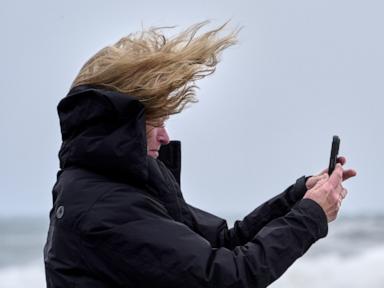
When a slow-moving nor'easter parks itself along the East Coast, it doesn't just bring rain. It completely reshapes daily life, floods coastal neighborhoods, and leaves more than 130,000 customers sitting in the dark. If you've been watching cars push wakes down suburban streets or seeing footage of people kayaking through New Jersey intersections, you know this isn't your standard weekend drizzle. It's a heavy-hitting meteorological event that exposed just how vulnerable our coastal infrastructure remains.
Let's look at what's actually happening on the ground. Over 40 million people across the Northeast spent the weekend bracing for severe wind gusts, relentless downpours, and surging high tides. Emergency response teams in places like Sea Bright had to perform swift-water rescues, pulling a woman and her dog from a vehicle completely trapped by rising tide waters. Meanwhile, marina owners in Surf City watched helplessly as high water levels tossed boats and Jet Skis right off their storage lifts.
Why do these storms pack such a massive punch? It comes down to physics and geography. A slow-moving low-pressure system funneling moisture straight off the Atlantic acts like a firehose pointed directly at the coastline. High astronomical tides combined with persistent onshore winds create a compounding effect. Water has nowhere to go. It spills over sea walls, breaches dunes, and transforms low-lying parking lots into saltwater lagoons.
The Real Cost of Power Outages
Over 130,000 homes and businesses losing electricity isn't just an inconvenience. It's a major logistical headache for utility crews who can't safely go up in bucket trucks until wind speeds drop. Downed trees and heavy branches snapping under saturated soil take out local distribution lines in seconds.
If you live in a flood-prone zone, you already know the drill, but many people still underestimate how fast water moves. Driving through just six inches of moving water can knock you off your feet, and a foot of water will float most cars. Municipal officials across New York, New Jersey, and New England spent the weekend repeating a simple plea: stay off the roads.
What You Should Do Right Now
If you're currently dealing with the tail end of this system or preparing for the next round of severe weather, stop treating flood warnings as background noise. Here is how you protect your property before the next storm hits:
- Clear your gutters and storm drains immediately. Blocked drainage is the number one cause of localized street flooding during intense downpours.
- Move valuables off basement floors. If you live near a creek, stream, or coastal inlet, elevate electronics and sentimental items now.
- Keep portable chargers powered up. Grid failures during high-wind events can stretch past 48 hours depending on tree damage severity.
- Avoid walking or driving through standing water. You never know if a manhole cover has popped open or if live electrical wires are hidden beneath the surface.
Severe weather systems like this nor'easter are becoming harder to brush off as anomalies. Keep a close eye on local emergency management alerts, secure your outdoor furniture, and stop risking your car in flooded intersections.