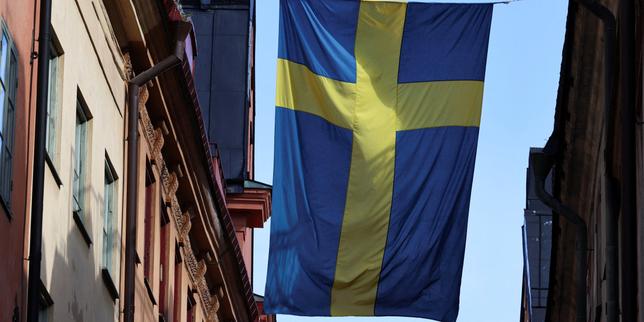
You built a life abroad, paid your taxes, learned a notoriously difficult Scandinavian language, and figured out how to survive long, dark Nordic winters. Then, a bureaucratic hammer falls because of a post-Brexit paperwork technicality. That is the harsh reality hitting hundreds of British citizens living in Sweden right now, as administrative strictness catches up with thousands who thought they were safe.
When the United Kingdom officially broke away from the European Union, the rights of expats living across the continent hung in the balance. Every EU nation handled the transition differently, but Sweden's implementation of the Withdrawal Agreement turned out to be uniquely punishing. Out of roughly 14,200 British nationals who applied for the new residency status, nearly 4,000 applications have been rejected. That sits at an alarming rejection rate of over 27 percent. Compare that to countries like France, where rejections hovered around 7.6 percent, and the scale of the Swedish crackdown becomes glaringly obvious.
The Paperwork Trap That Caught Expats Off Guard
Most of the people facing expulsion aren't recent arrivals looking to game the system. Many have lived in Sweden for a decade or more, working local jobs, raising families, and integrating fully into society. The problem lies in the rigid enforcement of administrative proof required by Swedish authorities.
If you missed an obscure notification window, failed to submit a precise piece of employment history from the exact month of transition, or faced temporary unemployment during the qualifying period, the system often showed zero flexibility. Bureaucracy doesn't care that you've been speaking Swedish at the local grocery store for eight years. It cares about whether your digital dossier checks every single statutory box. When it doesn't, the letters arrive telling you to pack your bags.
A Stark Contrast Within Europe
The human cost of these strict immigration policies highlights how differently European neighbors treated post-Brexit residency rights. While nations like France and Spain adopted a pragmatic approach focused on regularizing long-term residents who could prove continuous habitation, Sweden took a heavily legalistic route.
Local immigration experts point out that the rigid administrative culture in Sweden leaves very little room for bureaucratic discretion. Case officers rely strictly on hard documentation, treating long-standing community members the same as brand-new applicants. This hardline stance has sparked intense domestic debate, with center-left political figures criticizing the current framework and promising future leniency or path-to-normalization reforms. Yet, for the hundreds already ordered to leave, political promises offer little immediate comfort.
What This Means For Expats Everywhere
The situation in Stockholm serves as a brutal wake-up call for expatriates living anywhere outside their home countries. Assuming that time heals administrative gaps is a dangerous game. Governments can shift legal interpretations or tighten enforcement standards overnight, turning legal residents into undocumented aliens through no fault of their own other than a missed form or an expired administrative status check.
If you're living abroad under post-Brexit rules or similar regional agreements, complacency is your worst enemy. Double-check your status, keep every piece of tax and residency documentation backed up in multiple places, and never assume that longevity equals security in the eyes of immigration enforcement. When the rules change, the paperwork has to match—down to the very last line.