When news breaks about an in-flight security breach, people panic. Aviation security protocols are supposed to be ironclad. Yet, incidents happen that make passengers question how anyone could bring a weapon aboard a modern commercial aircraft.
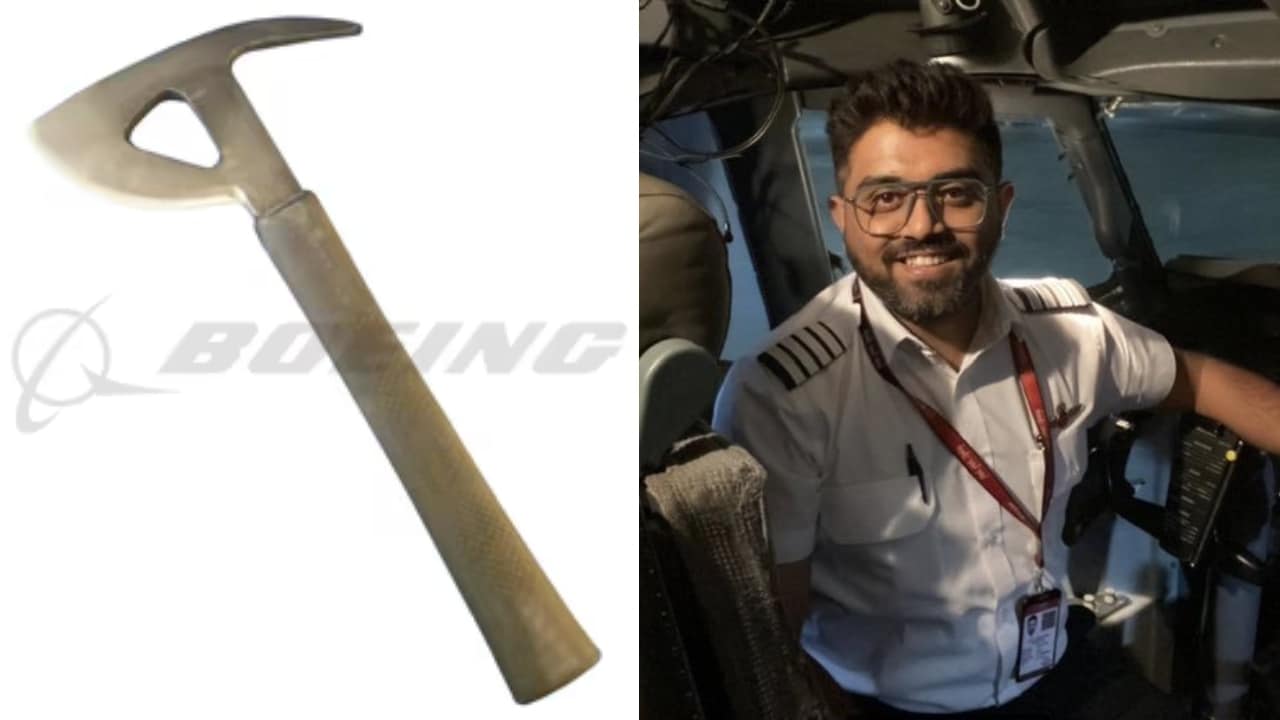
The security breach involving pilot Smit Machchhar on a flydubai flight brought this terrifying reality to light. An attack involving a heavy tool sounds like something straight out of a Hollywood thriller. It leaves travelers asking one glaring question: why was an axe or similar heavy rescue tool anywhere near the cabin of a commercial flight in the first place?
Let's clear the air right now. Air carriers aren't just leaving hardware lying around for passengers or crew to pick up. Aviation safety mandates require specific tools on board every single commercial flight.
The Mandatory Safety Gear You Do Not See
Commercial aircraft are essentially flying laboratories filled with specialized gear. Flight decks and passenger cabins require safety equipment mandated by international aviation authorities like the Federal Aviation Administration or the International Civil Aviation Organization. Further analysis on this trend has been provided by TIME.
You see the life vests. You spot the oxygen masks. You walk past the fire extinguishers. What you don't notice are the crash axes or rescue bars safely stowed away in the flight deck.
These aren't meant for combat. They are specialized tools designed for emergency situations. If an aircraft experiences an electrical fire behind a composite panel, flight crews need a way to pry open interior structures to access wiring. If a door jams during an emergency evacuation, crew members need leverage.
A standard aircraft rescue axe is heavy duty. It features an insulated handle to protect the user from high-voltage electrical shocks during emergency cutting operations. It is a piece of life-saving equipment. It is not an offensive weapon.
How Cockpit Security Actually Works
We trust flight deck doors to keep bad actors out. Since the tragic events of September 11, 2001, reinforced cockpit doors have become standard across global aviation. These doors are bullet-resistant, intrusion-resistant, and locked from the inside for the vast majority of the flight.
So how does an emergency tool inside the secure flight zone become a liability?
Human error, internal breaches, or unprecedented security failures change the dynamic entirely. When an attacker manages to breach the flight deck or access restricted areas, any heavy object within arm's reach transforms into a potential weapon. This is the dark irony of aviation safety. The very tool required by aviation regulators to save a plane from a fire can potentially be used against the crew if security protocols fail.
Airlines face a constant balancing act. They must equip flights to handle mechanical emergencies while simultaneously ensuring that cabin and flight deck security remains airtight.
The Protocol Gap Facing Modern Airlines
Commercial aviation operates on layers of security. We have background checks for personnel, strict baggage screenings, and reinforced physical barriers. But what happens when the threat comes from the inside or bypasses the physical barrier?
Pilots and cabin crew undergo rigorous training. They learn situational awareness, de-escalation tactics, and self-defense basics. However, crew members are primarily safety professionals, not armed security guards. Expecting a pilot to wrestle away a heavy rescue tool during a mid-flight crisis is a massive systemic failure of prevention long before the plane ever leaves the tarmac.
Investigators looking into the flydubai incident examined how safety equipment was accessed and whether standard stowage protocols were followed. Every commercial airline maintains strict logs of where emergency gear is placed. If a tool is moved, missing, or used improperly, internal safety boards launch immediate investigations.
What Needs to Change in Aviation Security
The incident involving pilot Smit Machchhar forces the aviation industry to confront uncomfortable truths. We cannot simply rely on legacy safety rules written decades ago.
Airlines need to re-evaluate the physical placement of emergency tools. Can rescue axes be stored in tamper-evident, combination-locked containers that only open during verified aircraft emergencies? Absolutely. Does this add a few seconds of delay during a crisis? Yes. But those few seconds might be the difference between a managed emergency and a catastrophic security breach.
Passengers deserve transparency. They also deserve absolute confidence that the metal tube they step into is secure from every conceivable angle.
Keep your eyes open the next time you board. Notice the emergency equipment markings on the bulkheads. Understand that aviation safety is an ongoing war against edge cases. When things go wrong, the industry adapts. The lessons learned from the flydubai investigation will rewrite how airlines handle emergency hardware access for the next decade.
Check your airline's safety record before your next trip. Support carriers that invest heavily in crew security training. Demand better answers from regulatory bodies when safety gear turns into a threat.