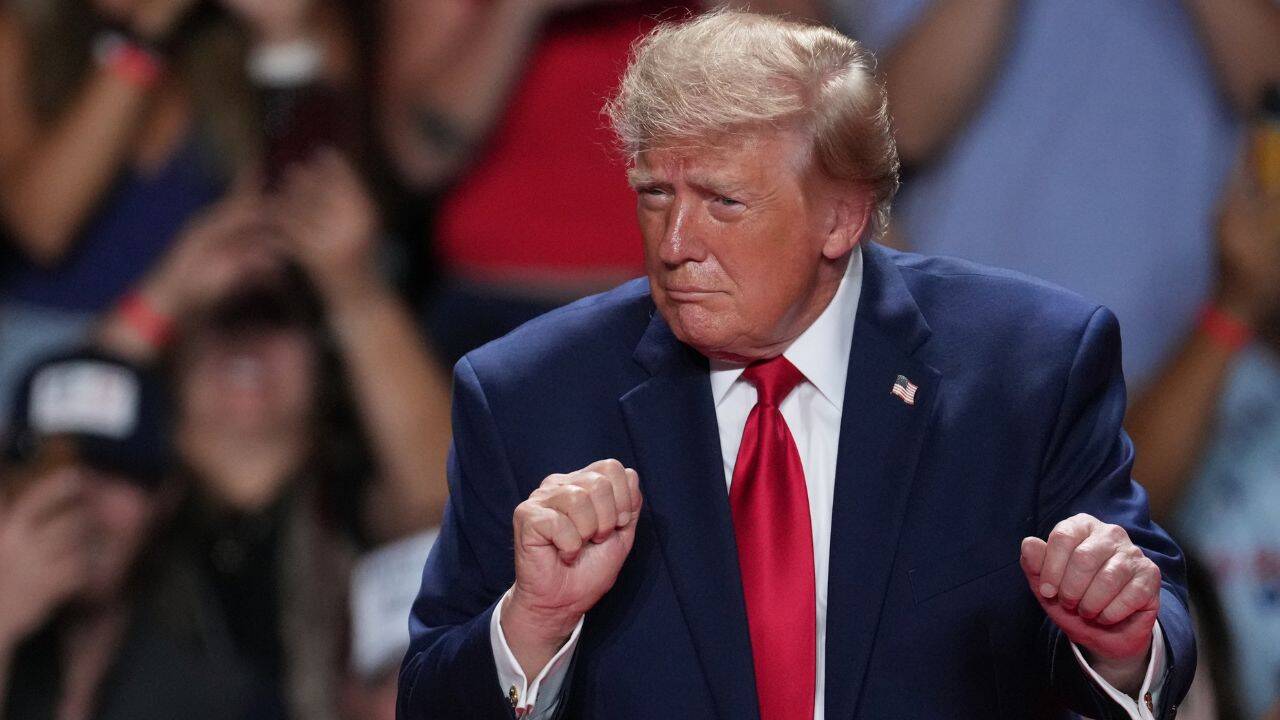
Donald Trump wants a Nobel Peace Prize. He isn't shy about saying so. Speaking from the Oval Office, the former president made another loud pitch for the prestigious honor, leaning hard on a specific claim that he has successfully resolved eight international conflicts during his political career.
"I'm not bragging, I'm just telling you the facts," Trump told reporters, casting doubt on whether the Norwegian Nobel Committee in Oslo would ever choose him. "They have a reputation for maybe not giving it to people like me."
This recurring fixation raises a bigger question about modern global diplomacy, political branding, and the criteria behind the world's most famous peace accolade. Why does this specific award matter so much to political figures, and how do their self-reported diplomatic wins hold up against reality? Let's break it down.
The Eight Settled Wars Claim
Trump's latest pitch relies heavily on his assertion that his administration halted eight separate military conflicts. He argues that no modern president comes close to that track record.
Critics and foreign policy experts push back hard against this narrative. While the Trump administration brokered significant diplomatic breakthroughs—such as the Abraham Accords normalization agreements between Israel and several Arab nations—international relations analysts point out that many of the conflicts Trump cites were simmering border disputes, proxy skirmishes, or long-standing regional tensions rather than formally declared active wars with clearly negotiated peace treaties.
Diplomacy is messy. When leaders claim absolute credit for stopping wars, they usually gloss over the complex web of economic leverage, intelligence sharing, and local proxy exhaustion that actually brought opposing sides to the negotiating table. Trump often points to his aggressive use of tariffs and economic sanctions as the primary driver behind these diplomatic shifts.
The Politics of the Nobel Committee
The Norwegian Nobel Committee operates independently in Oslo, far away from Washington politics. That distance has historically created friction.
When Barack Obama won the prize in 2009 just months into his first term, it drew heavy criticism from across the political spectrum—even from supporters who felt the honor came far too early. Trump frequently contrasts his own record with Obama's win, claiming the former president received the award without a clear justification.
Trump also referenced Venezuelan opposition leader Maria Corina Machado, noting her past public statements suggesting he deserved the honor. However, the Norwegian Nobel Institute maintains strict rules. Erik Aasheim, a spokesperson for the institute, has repeatedly clarified that once a laureate is announced, the decision is permanent. A Nobel Prize cannot be revoked, transferred, or shared under any circumstances.
Why Public Figures Obsess Over Recognition
Politicians crave validation that transcends election cycles. Domestic approval ratings fluctuate daily based on inflation, gas prices, and cable news headlines. A Nobel Peace Prize offers something permanent. It cements a leader's historical legacy as an architect of global stability.
Yet history shows that peace prizes awarded to active politicians often age poorly. When committees honor leaders while they are still in the arena of partisan politics, it inevitably sparks fierce debate. Real peace usually takes decades to solidify. Naming a winner while the ink on a ceasefire is still wet is always a gamble.
If you are following international relations closely, pay less attention to the lobbying and trophy-hunting, and focus entirely on whether agreements survive changes in leadership. That is the only real metric that matters.