Headlines about ancient pathogens making a comeback always grab attention. When a high-profile political leader announces a direct phone call to Moscow over a potential outbreak, the global anxiety spikes instantly.
Donald Trump recently stated he plans to speak directly with Russian President Vladimir Putin regarding a reported case of pneumonic plague tied to a research facility in Siberia. Secretary of State Marco Rubio chimed in too, demanding transparency from Moscow. Naturally, the internet went into overdrive. People want to know if we are staring down the barrel of another global health crisis, or if this is just standard political posturing wrapped in bio-security panic.
Let's break down what is actually happening on the ground, strip away the sensationalism, and look at the hard facts.
What Triggered the Alarm in Siberia
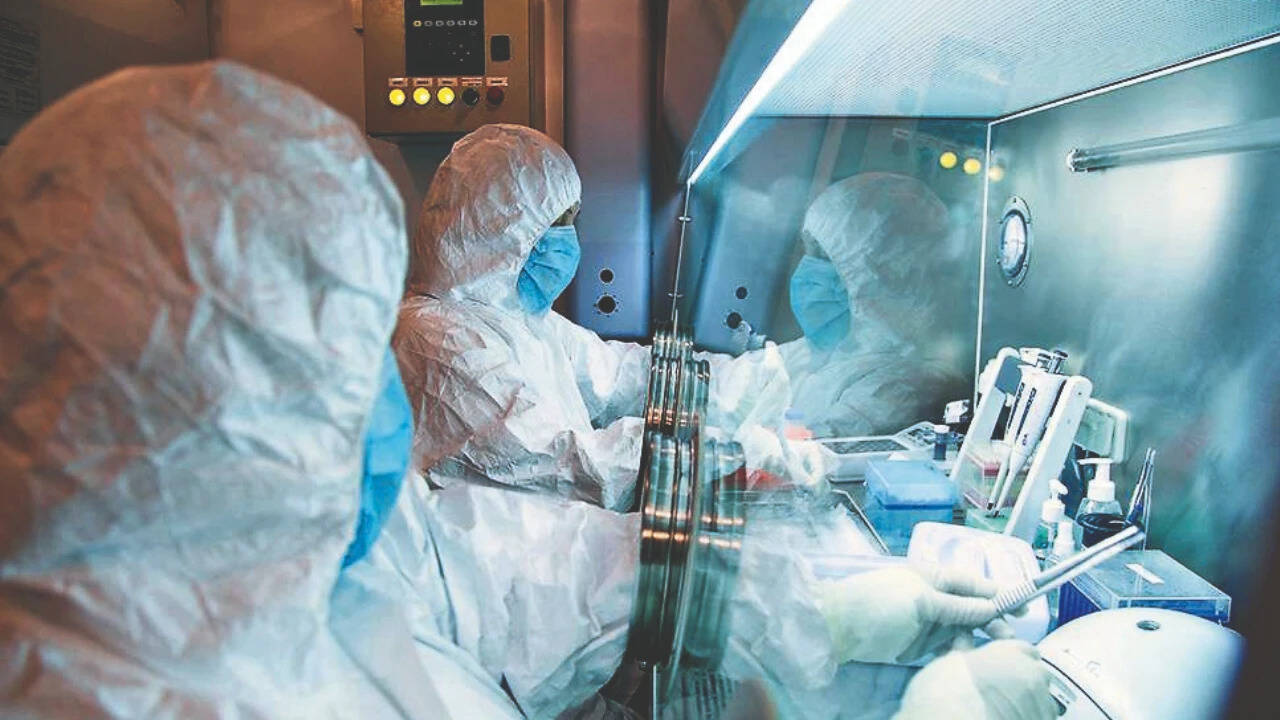
The story started following the death of a woman who worked at the Irkutsk Anti-Plague Research Institute of Siberia and the Far East. She passed away from pneumonia of unknown cause. Immediately, local rumors and social media speculation pointed toward pneumonic plague. Related coverage on this matter has been shared by Associated Press.
Before you stock up on canned goods, understand one major detail: there is zero official confirmation that the woman died of the plague.
The World Health Organization stepped in, communicating directly with Russian health officials to get clear data. According to the WHO, Russian authorities reported that no cases of plague had been recorded in Irkutsk. Contact tracing was executed rapidly. Medical monitoring wrapped up, and laboratory testing on people who had been in close contact with the woman turned up clean. No dangerous infectious pathogens were found.
Kremlin spokesman Dmitry Peskov urged the public to ignore online rumors and rely solely on official updates from Rospotrebnadzor, Russia's public health watchdog.
Why Pneumonic Plague Spooked Washington
Pneumonic plague is not something health agencies take lightly. Caused by the bacterium Yersinia pestis, plague exists naturally in wild animal populations across various parts of the world, including Siberia.
While bubonic plague spreads mostly through infected fleas, pneumonic plague is the most virulent and severe variant because it targets the lungs. It can transmit between humans via respiratory droplets. If left untreated, it moves fast and becomes fatal.
However, medical reality differs sharply from movie scripts. Modern antibiotics handle Yersinia pestis effectively when caught early. The bacteria do not spread easily over long distances through open air. The WHO maintains that the risk outside of Russia right now remains very low.
So why did Washington get so loud about it?
Trump noted that microbes are growing stronger, offering assistance to Moscow while emphasizing deep bilateral discussions. Rubio pushed for absolute openness, noting that transparency prevents minor health incidents from spiraling into geopolitical mistrust. Given past suspicions surrounding laboratory origins of modern respiratory outbreaks, any viral or bacterial anomaly near a high-security research facility naturally triggers immediate scrutiny from foreign intelligence and health monitors.
Separating Rumor from Fact in Bio-Security
Speculation online ran wild with unverified stories. Some social media reports claimed an accidental laboratory leak involving a test tube of live bacteria. Others suggested travel-related exposure. None of these claims have public evidence backing them up. Russia's health authorities flatly rejected the lab-accident theory.
The Irkutsk institute itself has existed since 1934. Its historical mandate centers on controlling natural plague outbreaks across Siberia and the Far East, alongside research into other pathogens like anthrax and cholera. Operating facilities that study dangerous biological agents always carries inherent scrutiny, especially in an era where global trust in institutional transparency sits at an all-time low.
When world leaders start calling each other over localized medical events, the reaction tells you more about international relations than actual epidemiology. Trust between major nuclear powers is fragile. When a scientist dies of severe pneumonia near a pathogen research center, foreign capitals don't wait for complete autopsies before asking questions. They want eyes on the data immediately.
What You Should Actually Do
Right now, everyday citizens outside of Russia do not need to change their daily routines, buy masks, or panic-buy medication. Public health organizations like the WHO monitor these situations around the clock.
If you travel internationally, standard health precautions remain your best defense. Stay informed through verified public health agencies rather than viral social media threads. Keep an eye on official updates from the World Health Organization or national centers for disease control if the situation evolves. For now, keep calm, track verified reporting, and don't let geopolitical theater dictate your peace of mind.