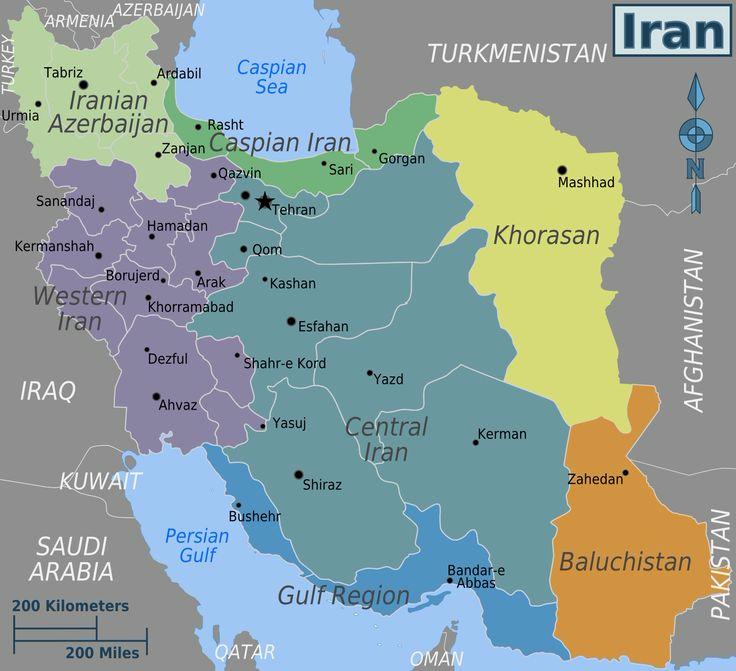
The standoff between Washington and Tehran is barreling toward a breaking point. US President Donald Trump didn't mince words this week when he told reporters that the ongoing conflict with Iran will wrap up very soon, offering a stark binary choice between a negotiated settlement or total military escalation.
"Maybe you blow them up," Trump remarked when asked how his administration plans to handle Iranian leadership. "We have to make that decision: We blow them up or make a deal. But the time is coming."
This blunt rhetoric drops right as diplomatic backchannels in Doha face heavy turbulence. Washington continues to reject concessions on major sanctions and frozen funds unless Tehran bends entirely on its nuclear ambitions. Meanwhile, oil markets jitter and regional actors scramble to insulate themselves from fallout.
The Core Dilemma Behind Washingtons Ultimatum
Hopes for an easy diplomatic off-ramp are fading fast. US Secretary of State Marco Rubio ordered Iranian Foreign Minister Abbas Araghchi and his delegation out of New York following a major impasse in UN-backed talks. Qatar's mediation efforts hit a brick wall over fundamental disagreements on what a future pact should look like. To read more about the history of this, USA Today provides an informative breakdown.
Tehran wants immediate economic relief and the complete reopening of shipping lanes through the Strait of Hormuz on its own terms. Washington insists that any long-term agreement must dismantle Iran's nuclear program and curb its ballistic missile capabilities first.
Because neither side is willing to blink first, the White House is framing the timeline in aggressive terms. The message is simple: sign a comprehensive deal or face catastrophic kinetic action.
Cracks Inside Irans Ruling Establishment
The pressure isn't just coming from the outside. Tehran's conservative ruling faction is experiencing rare and public fractures as the economic strain of the US blockade bites hard.
Hardline Iranian lawmaker Hamid Rasaei was recently sentenced to ten months in prison by the Special Clerical Court. The conviction stems from an old dispute involving Parliament Speaker Mohammad-Bagher Ghalibaf. This high-profile infighting exposes deep paranoia and division among Iranian elites as they argue over whether to dig in or seek desperate compromise.
At the same time, ordinary citizens are frantically stocking up on food and medicine as supply chains buckle under mounting sanctions. The Islamic Revolutionary Guard Corps is pushing back through domestic propaganda, even releasing open letters appealing directly to American voters, but the reality on the ground shows a populace exhausted by escalating hostilities.
What Happens to Global Markets Next
Energy markets are riding a rollercoaster as traders parse every word coming out of the Oval Office. Crude oil prices dipped slightly after reports that regional oil flows through the Strait of Hormuz have managed some level of recovery, but tanker insurance rates remain astronomical.
No one should mistake temporary price dips for actual stability. If Washington decides to pull the trigger on fresh military strikes against Iranian infrastructure, global energy supplies will face immediate shockwaves.
The next few days will decide whether backchannel diplomacy pulls the Middle East back from the brink or if Trump's warning turns into active military reality. Keep a close eye on Doha's mediators, because time has officially run out for half-measures.