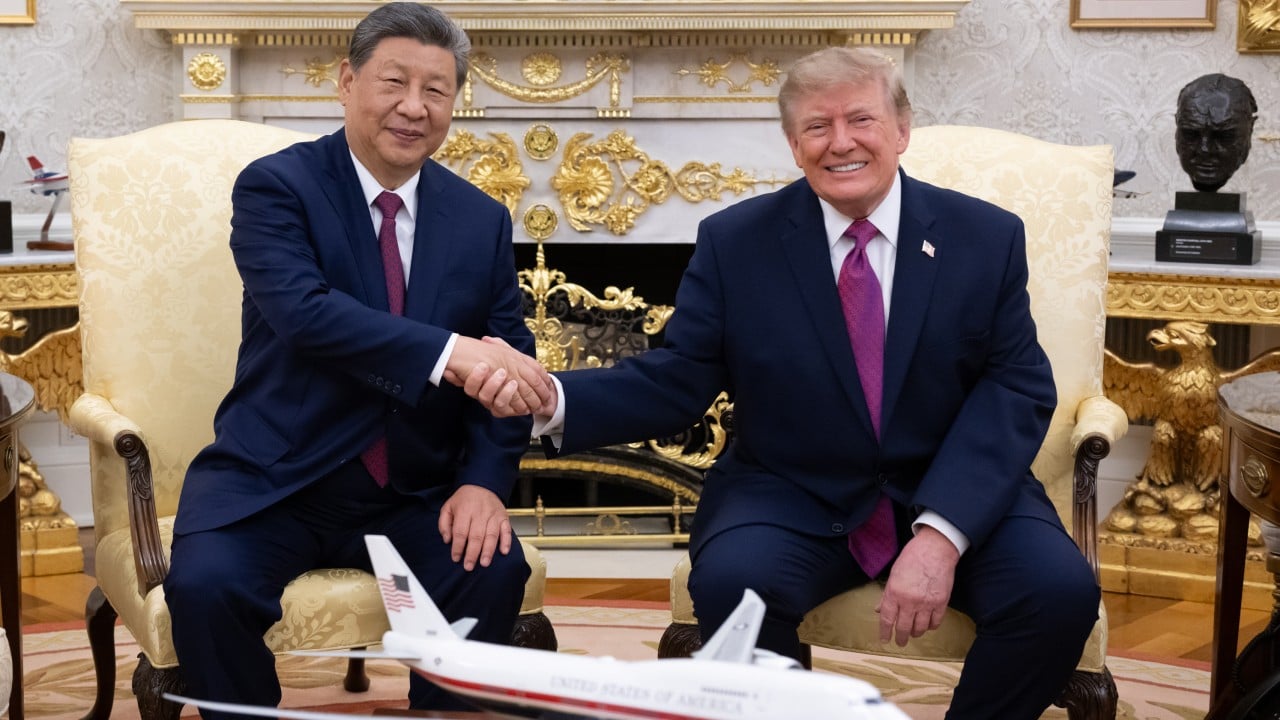
Donald Trump wants everyone to know he brought up political prisoners with Xi Jinping. Whether anything actually changes is a completely different story.
Speaking to reporters at the White House, Trump claimed he raised specific human rights cases and detained individuals during his high-stakes summit with the Chinese president. When asked if he brought up high-profile names like Jimmy Lai or US citizen and scholar Min Zin, Trump kept it brief. "I did with President Xi. I did," he told reporters, calling the exchanges "very, very important discussions."
Yet behind the diplomatic theater, reality looks a lot more complicated.
The Summit Spectacle Versus Ground Realities
Trump hosted Xi for a multi-day state visit that featured high-level talks, private tea sessions, and a heavy focus on trade deals and tech talks. It's standard practice for US administrations to sprinkle human rights into high-profile leader summits. It appeases domestic critics and checks an obligatory diplomatic box.
But check the fine print. The White House stayed remarkably tight-lipped about whether Trump pushed past individual high-profile cases to address systematic policies, such as China's treatment of Uyghur Muslims, Tibetans, or the enforcement of strict new security laws. Trump has prioritized securing the release of Americans wrongfully detained abroad, but broad systemic human rights advocacy often takes a backseat when trade, tariffs, and tech dominance dictate the agenda.
Why High-Level Appeals Rarely Trigger Instant Freedom
If you expect a casual conversation between two superpower leaders to empty detention centers overnight, you're bound to be disappointed. Bilateral diplomacy doesn't work that way.
Beijing views domestic legal cases and national security enforcement through a lens of absolute sovereignty. When foreign leaders press for the release of dissidents, publishers, or scholars, China's official stance typically rejects outside interference. If a prisoner gets released after a summit, it's rarely because of a mid-meeting epiphany. It's usually the result of long, quiet back-channel negotiations where Beijing extracts a quid pro quo.
Publicly claiming credit for raising the issue is a win-win for domestic optics. Trump can project strength to voters who care about political detainees, while Beijing can treat the public remarks as background noise while sticking to its own internal playbook.
What to Watch Next
Don't hold your breath for a sudden wave of releases. If these talks actually bore fruit, you won't hear about it from a sudden presidential soundbite—you'll see quiet airport tarmac reunions months down the line. Until concrete proof emerges, treat summit prisoner claims for what they usually are: political posturing wrapped in diplomacy.