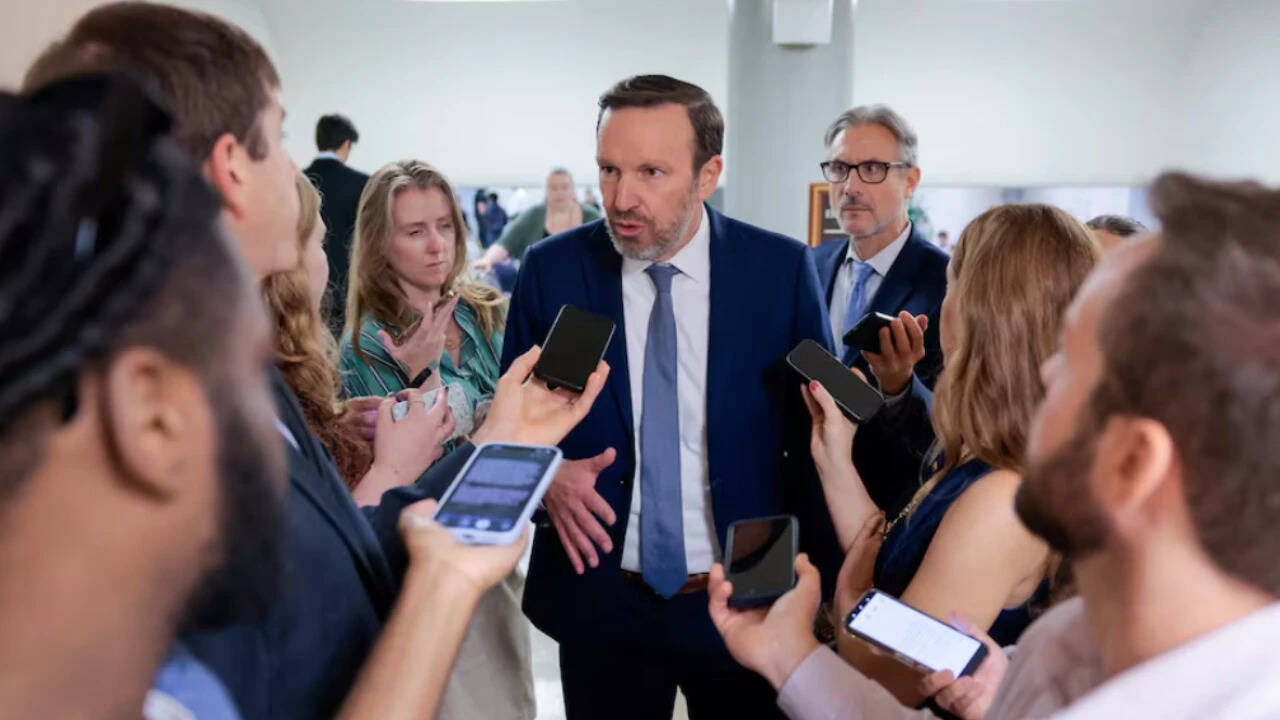
When a sitting United States senator gets physically locked out of a critical overseas military installation, you know transparency has officially left the building. Senator Chris Murphy recently pulled back the curtain on what he calls an active, unconstitutional campaign to obscure the true human and financial toll of the ongoing Iran war.
If you've been wondering why details about the conflict feel tightly managed or completely sanitized, you're not imagining things. The Department of Defense just handed us a masterclass in bureaucratic stonewalling.
The Al Udeid Lockout and Pentagon Pushback
Picture this. You fly out to the Middle East to conduct oversight on an active military engagement. You request entry to Al Udeid Air Base in Qatar, the central hub for American air operations in the region. The Pentagon says no.
That is exactly what happened to Murphy during his recent diplomatic swing through Riyadh and Doha. While Secretary of State Marco Rubio's office actively facilitated meetings with regional heavyweights like Qatari Emir Sheikh Tamim bin Hamad Al Thani and Saudi Crown Prince Mohammed bin Salman, the defense establishment slammed the door.
Murphy didn't mince words speaking to reporters in Saudi Arabia. He called it an unprecedented attempt to keep both Congress and everyday Americans in the dark.
Why the Pentagon Wants Silence
Military leadership hates a messy narrative. Since the US and Israel launched operations against Iran back in February, Al Udeid has taken frequent incoming fire. Drones and missiles don't care about public relations campaigns.
When a key regional hub faces recurring security threats, the logistical strain, equipment damage, and casualty risks skyrocket. Admitting those realities out loud invites hard questions from lawmakers who hold the purse strings.
By denying lawmakers physical access to the frontlines of logistics, the defense apparatus buys itself time. They control the flow of briefings. They minimize the visible footprint of escalation. They prevent senators from seeing damaged hangars or exhausted personnel with their own eyes.
The Split Within Washington
This isn't just about a denied base tour. It exposes a fascinating internal fracture inside the current administration.
On one side, diplomatic channels are wide open. Rubio is setting up high-level talks and keeping lines of communication functional with Gulf allies. On the other side, the Pentagon under Pete Hegsetsh is drawing the blinds and locking the deadbolts.
When civilian diplomacy welcomes scrutiny while military leadership builds walls, accountability dies. Congress has a constitutional duty to oversee foreign entanglements. Starving lawmakers of ground-level intel isn't just frustrating. It undermines the checks and balances built into the system.
What Happens Next
Expect a sharp escalation on Capitol Hill. Lawmakers who care about constitutional oversight aren't going to let a closed-door policy slide. Expect congressional demands for emergency hearings, budget audits, and formal inquiries into who signed off on the base denial.
If you want to track where this goes, ignore the official press releases coming out of defense briefings. Watch the committee rooms instead. When senators start threatening to withhold funding over transparency issues, the Pentagon's firewall usually starts to crack.