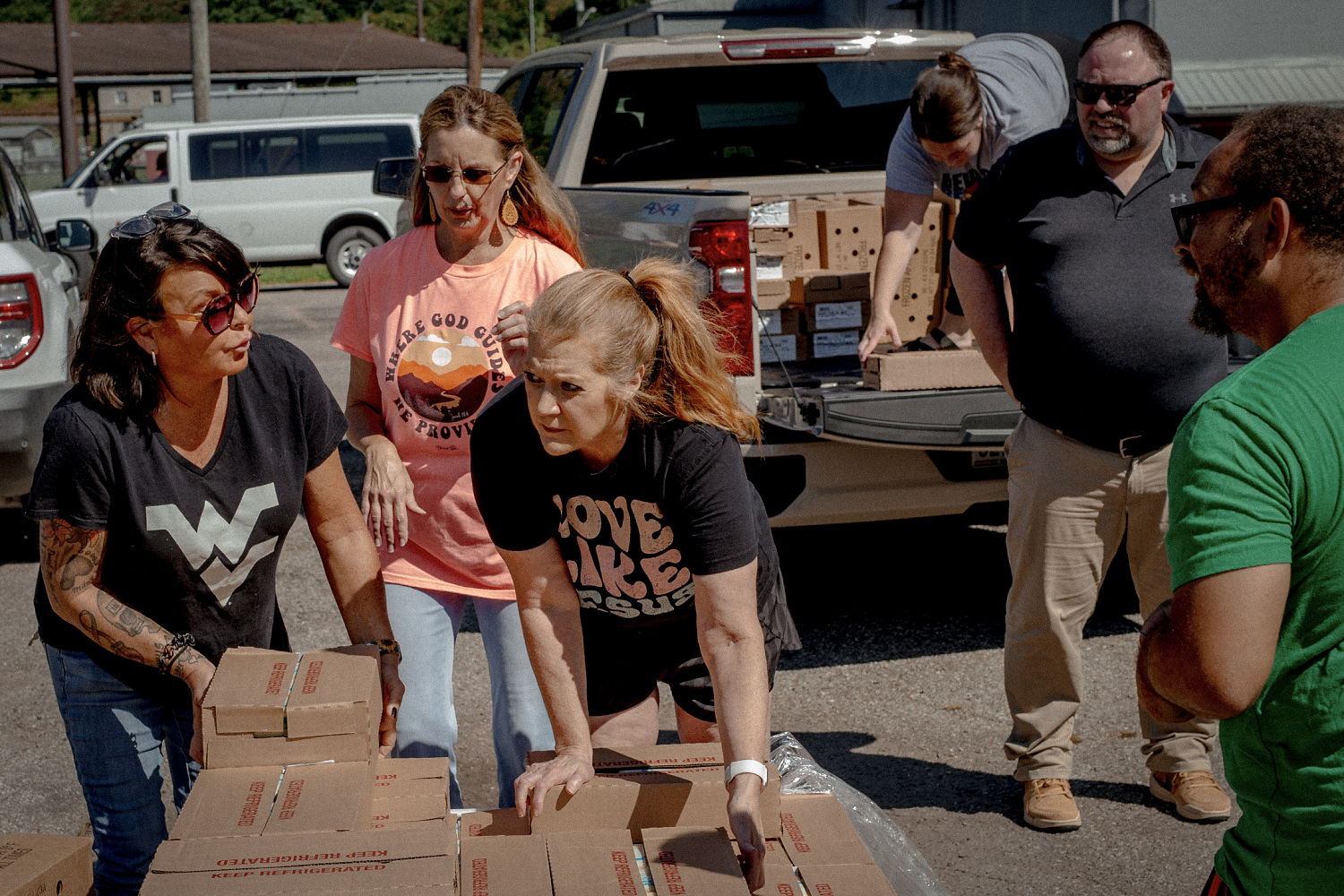
When the federal rules changed, nobody asked how a small pantry in Lincoln County was supposed to feed a grandmother who just lost her grocery assistance. They just cut the benefits. Thousands of households across West Virginia watched their monthly food stamps drop from hundreds of dollars to practically nothing almost overnight.
If you think local charities can just step in and pick up the slack, you don't understand how hunger works in America.
Food pantries were never built to replace federal nutrition programs. They are temporary stops, not permanent safety nets. Yet local directors are fielding frantic phone calls from people who haven't eaten in days, while state funding for these very pantries shrinks.
The Math Doesn't Work
Let's look at the actual numbers. SNAP provides roughly nine meals for every single meal handed out by a local charity. You cannot substitute that volume with canned green beans and donated boxes.
When federal policy shifts and thousands of families lose assistance, the local safety net shatters. In West Virginia, tighter rules and higher error rates mean state budgets are scrambling to cover matching requirements while donations plateau.
Ryan Elkins runs Lincoln County Community Outreach, delivering boxes to older residents and families with disabilities who literally cannot drive to a grocery store. His biggest problem isn't just finding food. It's paying the costs to get that food to people living up holler roads who have no other options.
What Actually Happens When Benefits Disappear
People make impossible choices. Helen Swire Comer left her banking job to care for aging parents. When her food stamp benefits plummeted from $400 to $24 a month, she didn't suddenly find a high-paying remote job. She sold household belongings and leaned hard on credit cards just to keep basic groceries on the kitchen table.
This is the reality behind policy debates in Washington and state capitals. It looks like columns on a spreadsheet to lawmakers, but on the ground, it looks like empty refrigerators and maxed-out credit cards for people who already have nothing left to give.
Charities are running out of hours, running out of space, and running out of money.
Where Do We Go From Here
If you want to help, stop assuming that dropping a box of pasta at a local donation bin solves the systemic crisis. It doesn't.
- Support direct delivery: Give money or time to organizations that physically transport food to isolated rural residents with mobility issues.
- Push for predictable funding: Local food networks need multi-year state commitments, not one-time budget leftovers that disappear when political priorities shift.
- Understand the scale: Recognize that private charity is a bandage on a severed artery; real food security requires stable public infrastructure.
The pressure on local pantries isn't going away anytime soon. Until lawmakers address the root causes of food insecurity rather than slashing the programs keeping families afloat, the weight will fall entirely on volunteers working out of cramped community centers with empty shelves.