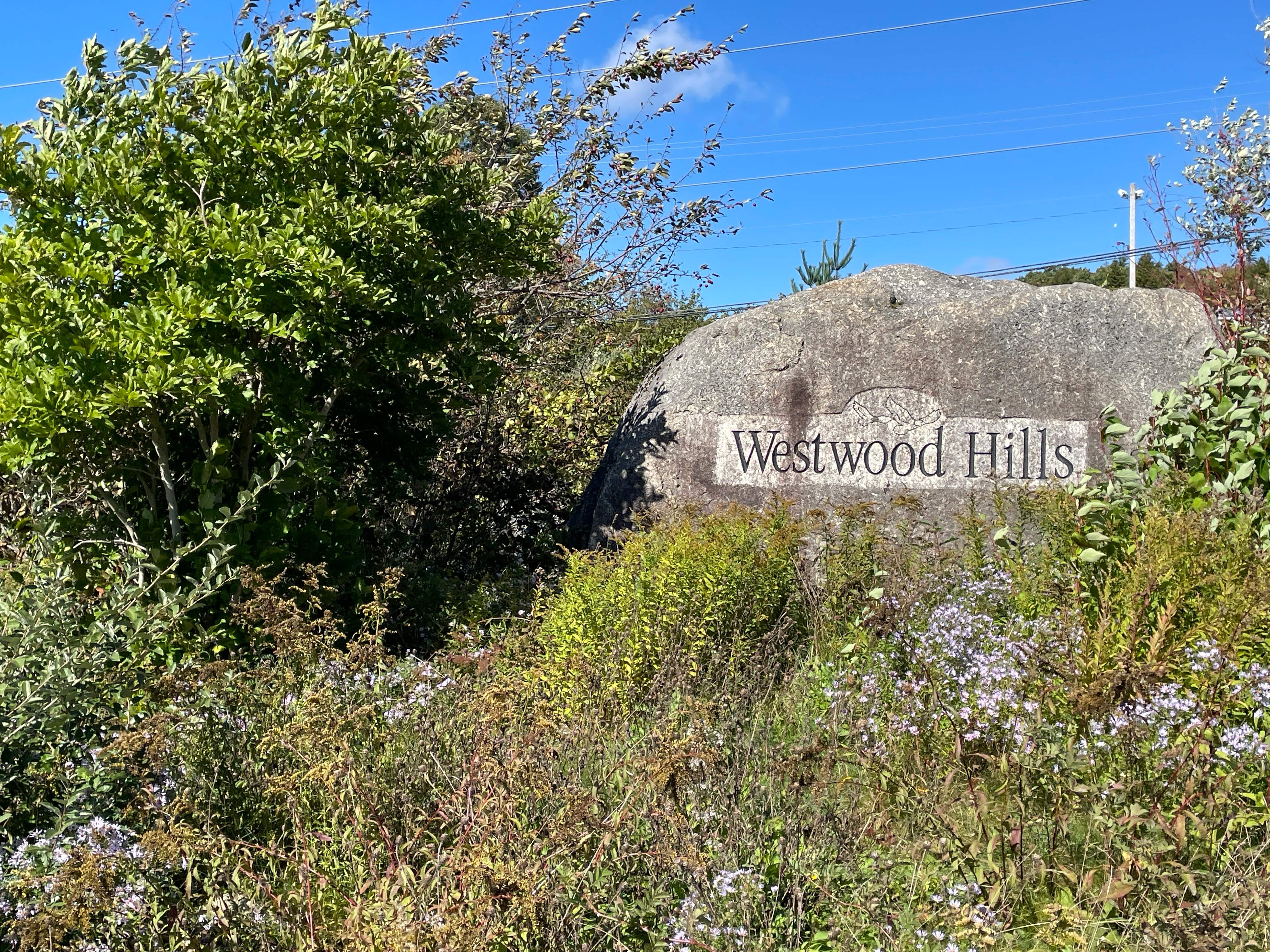
Smoke filled the sky over Hammonds Plains Road, and thousands of cars sat entirely motionless. That was the grim reality for families fleeing the devastating 2023 wildfires in Nova Scotia. When more than 16,000 people had to pack up and evacuate in a panic, single-lane escape routes quickly turned into parking lots. Now, years later, long-awaited work on an emergency exit for the Westwood Hills subdivision is finally starting. But people who live there aren't popping champagne bottles just yet. One new gate and a single emergency road won't fix a systemic infrastructure failure.
Communities like Westwood Hills, Upper Hammonds Plains, and Tantallon were built with growth in mind, not evacuation safety. When disaster strikes, you don't need minor tweaks. You need redundant, permanent exit routes that point away from danger zones. Residents know this, and municipal leaders are finally facing the heat.
The Reality of Single-Lane Subdivisions
If you've ever driven through modern suburban developments tucked away off major rural arteries, you've seen the trap. Developers love winding cul-de-sacs and single-access entry points because they cut down on through-traffic and maximize lot space. City planners sign off on them because they fit traditional zoning templates.
Then a wildfire hits, and those design choices turn lethal.
During the 2023 Tantallon wildfire, residents watched flames creep closer while trapped in bumper-to-bumper traffic on Hammonds Plains Road. Over 150 structures burned down. The psychological toll of that day never really left.
So when the Halifax Regional Municipality announced that construction on a new emergency exit connecting Westwood Hills to Highway 103 would start in October, it felt like progress. Richard O'Fegan, president of the Westwood Hills Residents Association, acknowledged that seeing actual momentum feels good. But he also pointed out the obvious catch. The new route will feature a locked gate, opening only when disaster strikes.
Relying on a locked gate during an active emergency feels like a gamble nobody wants to take. Who holds the key? How fast will it open? What happens if power fails or mechanical systems jam when thick smoke rolls in?
Why One Exit Isn't Enough
An emergency exit is better than nothing, but it's a Band-Aid on a broken bone. Westwood Hills alone packs nearly 880 homes, a long-term care facility, and dense neighboring pockets. Pumping all of that traffic toward a single corridor—even with a new emergency link—ignores basic math.
Debbie Miller, a member of the Pockwock Corridor SAFE neighbourhood group, put it bluntly. She noted that if the municipality's real goal is greenlighting more housing developments without fixing regional traffic flow, the plan is doomed to fail.
Municipal proposals currently weigh potential connector roads linking Westwood Hills to Upper Hammonds Plains and Highland Park North. While increasing internal connectivity sounds nice on paper, critics argue it just shuffles local traffic around instead of giving drivers a clean escape out of the region.
People don't just want options that empty onto Hammonds Plains Road. They want routes heading north toward Highway 101. Pinning an entire community's survival on one highway corridor is a recipe for gridlock.
What Needs to Happen Next
Fixing suburban escape vulnerabilities requires money, political will, and tough conversations with developers who profit from cramming houses into single-access pockets. If you live in a high-risk wildfire zone or an isolated suburb, waiting on municipal councils to solve your safety problems isn't a strategy.
Here is what local leaders and residents need to push for immediately:
- Permanent, Unlocked Secondary Access: Emergency gates fail. Permanent, secondary connector roads should remain open for everyday local use, dispersing traffic and cutting down response times year-round.
- Alternative Highway Connections: Subdivisions need dual exits pointing toward completely different major arteries—such as balancing Highway 103 access with direct routes to Highway 101.
- Strict Development Halts: No new phases or permits should be approved for high-density subdivisions until regional evacuation modelling proves current roads can handle an emergency exodus.
Public engagement sessions hosted by the municipality give residents a microphone, but the municipality needs to act on the feedback rather than just filing it away in a report. Real safety doesn't come from a locked gate. It comes from options.