When a massive marine mammal wanders miles away from salt water and deep ocean currents, things rarely end well. That harsh reality hit the New South Wales mid-north coast this weekend when a juvenile humpback whale swam eleven kilometers upstream into the Clarence River, grounded on a shallow sandbar, and died within minutes.
While the tragic event prompted immediate safety alerts and local warnings about heightened shark activity, it also raises an urgent question: why do healthy-looking ocean giants take these fatal detours into shallow river systems?
Let's look past the surface headlines. Here is what is really happening when whales stray far inland, what marine experts say about these unusual navigation errors, and why authorities immediately lock down local beaches after a marine animal dies.
The Tragic Timeline on the Clarence River
The sequence unfolded quickly on a Saturday afternoon near the Bundjalung national park. Beachgoers and local observers spotted a sick whale pushing past the river mouth and heading upstream into the Clarence River network.
Before rescue coordinators could organize a viable intervention, the juvenile humpback swam onto a shallow sandbar. Within thirty minutes of grounding itself, the animal died.
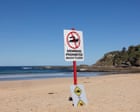
NSW National Parks and Wildlife Service teams, alongside marine rescue groups like ORRCA, evaluated the carcass before safely towing it out to sea on Sunday. But the removal of the whale didn't mean the danger had passed. SharkSmart NSW immediately issued strict warnings advising surfers, swimmers, and divers to steer clear of surrounding beaches and estuaries. Dead marine mammals act as dinner bells for apex predators. When a large carcass drifts or gets towed into coastal waters, sharks converge to feed on the blubber. Swimming nearby is basically asking for trouble.
Why Whales Stray Up Rivers and Estuaries
If you think whales only stick to deep blue water, you haven't been paying attention to Australia's annual marine migrations. Around fifty thousand humpback whales cruise along the east coast every single year. Right now, populations are tracking south toward Antarctica for their summer feeding grounds.
So why would a juvenile humpback turn hard left and swim eleven kilometers up a winding river?
Marine scientist Dr Vanessa Pirotta notes that while these events feel shocking, they aren't entirely unprecedented. Whales explore bays, harbors, and river mouths for a few distinct reasons:
- Misadventure and navigation errors: Young, inexperienced whales make mistakes. They lack the navigational maturity of older, seasoned pod leaders.
- Curiosity: Juveniles love to explore unfamiliar estuarine environments just to see what is around the next bend.
- Underlying illness or poor health: This is usually the main driver behind fatal strandings.
Take a close look at the Clarence River whale. Observers noted that the animal appeared extremely unwell. Experts from ORRCA pointed out that the juvenile was heavily covered in barnacles and other epibionts, which often signals chronic illness, hidden injury, or a severely compromised immune system.
When a whale is sick, tired, or disoriented, its ability to navigate drops to zero. Weakened animals drift with tidal currents, riding incoming waters straight into narrow river channels instead of staying out in the open ocean.
This is Not an Isolated Incident
If you feel like you have read this story before, you are right. Stray river whales pop up with surprising regularity along the Australian coastline.
Earlier this year in April, another humpback became trapped on a shallow sandbar in Wallis Lake after squeezing under the Forster Tuncurry Bridge. Last year, two adventurous humpbacks managed to swim right under Melbourne's West Gate Bridge and deep into the mouth of the Yarra River.
Go back to 2020, and you will find an even more extreme case. Three humpback whales entered the East Alligator River inside Kakadu National Park. One of them traveled an astonishing thirty kilometers upstream before eventually finding its way back out to open water.
While air-breathing marine mammals can technically survive in freshwater for short bursts, it wrecks their skin. Prolonged exposure to low-salinity water causes severe skin sloughing and osmotic stress. Even if the Clarence River whale hadn't grounded itself, fresh water would have done immense damage to its body over time.
What Happens When a Whale Carcass Washes Ashore
The Clarence River incident mirrors a frighteningly similar scenario that played out just days earlier in Western Australia, where a humpback whale carcass washed ashore at a Perth city beach. That rotting giant immediately drew multiple sharks before crews hauled it away.
People often underestimate how quickly a dead whale turns a local beach into a high-risk zone. Shark species like great whites, tiger sharks, and bull sharks possess an extraordinary sense of smell. They can detect scent particles from miles away.
When authorities shut down beaches after a stranding, they aren't just being overly cautious. They are reacting to an active predatory feeding frenzy. Ignoring those warnings is a massive gamble with terrible odds.
How to Handle Marine Wildlife Encounters
If you ever spot a whale cruising through an estuary, swimming up a river, or stranded on a beach, you need to know how to respond. Doing the wrong thing can stress an already terrified animal or put human lives in danger.
- Keep your distance: Never approach a whale in a boat, kayak, or paddleboard. Stressed animals can thrash violently and capsize small watercraft.
- Call the professionals immediately: Report the sighting right away to local national parks authorities or wildlife rescue hotlines like ORRCA. Give them exact location coordinates and describe the animal's behavior.
- Respect beach closures: If lifeguards or fisheries departments close a beach due to shark activity near a carcass, stay out of the water. No surf session is worth testing a feeding shark.
Most stranded or wandering whales face overwhelming odds. When these gentle giants make a fatal wrong turn into shallow inland waters, the focus must shift rapidly from rescue attempts to public safety and respectful management of the aftermath. Pay attention to local marine alerts, keep your distance, and let the experts handle the heavy lifting.



