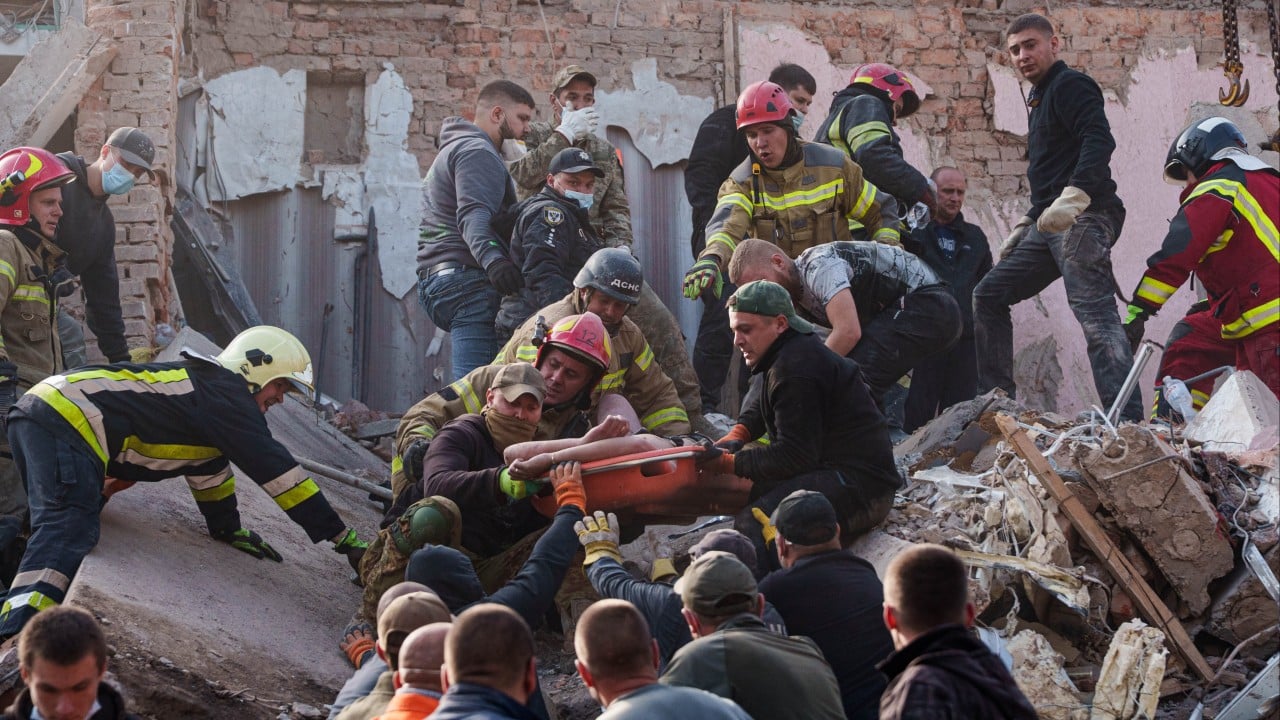
Seventy-eight human beings. Wiped out in forty-eight hours.
That is the brutal reality behind Ukrainian President Volodymyr Zelensky’s latest public outburst against Washington. When a massive wave of Russian drone and missile barrages slammed into Ukrainian residential areas—including a devastating strike in Pryluky that ripped through a apartment block and another bombing in Kramatorsk that tore apart commuter buses—the total death toll hit 78, with over 215 people wounded.
Instead of diplomatic platitudes, Zelensky opted for raw, unfiltered frustration. He pointed a direct finger at the United States, accusing Washington of inaction and an unwillingness to provide real help. If you have been wondering why relations between Kyiv and its primary Western backer are hitting a boiling point right now, look no further than the widening chasm between diplomatic mediation and the blood on the ground.
The Breaking Point Behind the Rhetoric
Zelensky’s frustration didn't come out of nowhere. Speaking to reporters in Pryluky roughly 80 miles east of Kyiv, the Ukrainian leader targeted a glaring contradiction in Western policy. While Washington continues to play the role of diplomatic mediator, reports have surfaced detailing efforts by US officials to pursue economic ties with Russia, including discussions about involving American investors in the defunct Nord Stream pipeline infrastructure.
To Kyiv, trying to preserve economic channels with Moscow while Russian bombs pulverize civilian infrastructure looks less like neutral diplomacy and more like active indifference.
"Open Starlink for Ukraine," Zelensky argued publicly, drawing a sharp comparison to how quickly technological restrictions were lifted during other global crises, such as responses involving Iran. He wants broader, unconstrained access to the satellite communication network specifically to help Ukrainian forces track and target Russian ballistic-missile launchers before they can fire.
In Zelensky's calculus, half-measures are costing lives. He insists that until Ukraine gets total freedom to dominate its own skies and strike back at launch sites, Russian President Vladimir Putin has zero incentive to sit down at a genuine negotiating table.
The Cost of Delayed Technical Capabilities
For months, military analysts have pointed out that modern electronic warfare is a game of millimeters and milliseconds. When Russian jet-powered drones and ballistic missiles slip past air defenses, the margin for error is measured in seconds.
Zelensky’s demand for expanded Starlink capabilities highlights a technical bottleneck that rarely makes mainstream headlines. Kyiv isn't just asking for more artillery shells or Patriot batteries anymore; they are fighting an asymmetric war where satellite data routing, electronic jamming counter-measures, and fast-twitch targeting data dictate survival.
When access is throttled or restricted due to geopolitical caution or bureaucratic red tape, Ukrainian defense units find themselves blinded at the worst possible moments. Meanwhile, Russian forces continue adapting their own electronic warfare tactics, rendering older counter-drone measures obsolete.
What Happens Next in US-Ukraine Relations
This clash of expectations is coming to a head right now. A Ukrainian negotiating team is scheduled to travel to the United States for high-stakes talks with American envoys.
The agenda is clear, but the atmosphere is tense. Kyiv is walking into these rooms carrying the weight of nearly 80 fresh casualties from a single weekend of terror. They aren't in the mood for symbolic packages or slow-walked military deliveries. They want ironclad security guarantees and immediate technological concessions.
Washington, on the other hand, is trying to balance long-term global economic stability, inflation concerns, and domestic political pressure with its stated commitment to keeping Ukraine afloat. That balancing act is precisely what Zelensky is calling out. When bombs are falling on buses and apartment blocks, economic diplomacy feels less like strategy and more like abandonment.
The upcoming meetings in the US will show whether Washington is willing to shift gears or if the diplomatic rift will widen even further while the war enters its most destructive phase yet.