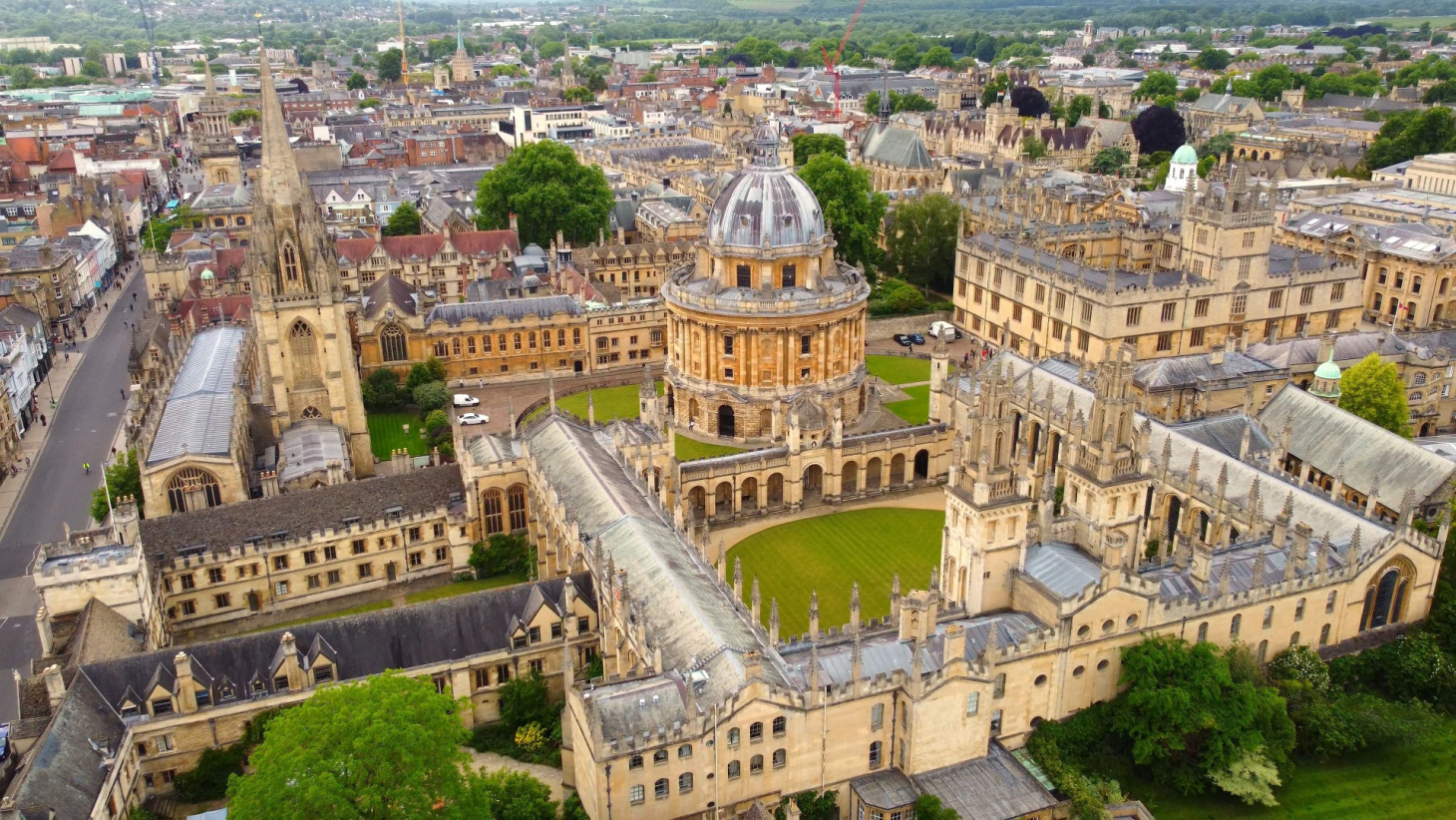
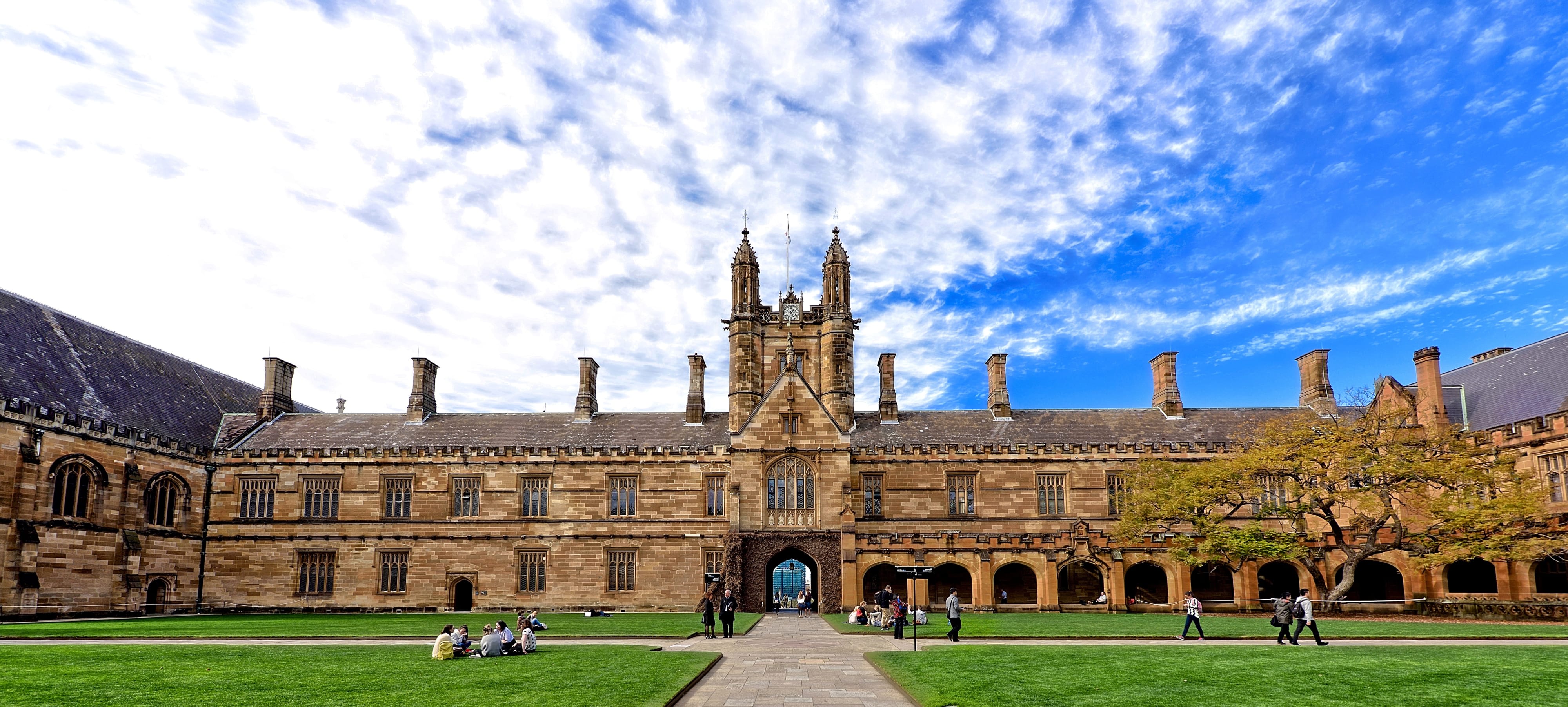
You can spend £30,000 on a university degree to learn how to film TikToks, or you can buy a secondhand ring light and learn for free. Higher education institutions across the UK and the US are rolling out specialized bachelor's programs focused on digital content creation, social media marketing, and influencer studies. Tuition fees hover around £9,790 to £10,050 per year in the UK, pushing a three-year commitment past the thirty-grand mark.
It sounds absurd to traditional academics. Critics love to scoff at the idea of paying a small fortune to learn how to hit record on a smartphone. But the creator economy generates billions of dollars annually, and universities want a piece of that financial pie. The real question isn't whether making videos can be a legitimate career. It's whether sitting in a lecture hall for three years is the smartest way to break into an industry built on speed, algorithm changes, and raw personality.
The Reality of Higher Education in the Creator Economy
Traditional degree structures move slowly. Curricula take months to write, approve, and implement. By the time a university launches a brand-new module on short-form video optimization, platform algorithms have already shifted twice. TikTok pivots, YouTube changes its monetization thresholds, and Instagram introduces new features almost weekly.
Institutions like Ravensbourne University London and Leeds Beckett University, along with American schools like Arizona State University, argue that these programs offer more than just how to edit a reel. They teach media law, copyright, audience analytics, audio engineering, and project management. Those elements have merit. Knowing how to protect your intellectual property or negotiate a brand deal prevents exploitation down the line.
Yet, working creators will tell you that the best education happens in public view. You learn what works by looking at your analytics dashboard at two in the morning, watching retention graphs flatline, and figuring out why people clicked away. You don't need a seminar on semiotics to understand that a boring hook kills watch time.
What a Content Creation Degree Actually Teaches You
If you look past the headlines mocking "influencer school," the actual syllabus looks a lot like a modern media production or digital marketing course with a fresh coat of paint.
Students learn video editing software like Premiere Pro and DaVinci Resolve. They touch lighting kits, study brand identity, and run simulated marketing campaigns. For some students, that structured environment provides the safety net they need to build confidence. If you're eighteen and terrified of putting your face online, a campus studio gives you a low-stakes sandbox to practice.
The downside is opportunity cost. While you're spending three years writing essays about online culture to pass modules, successful creators are spending those exact three years posting daily, building an audience, and generating actual revenue. The internet doesn't care about a bachelor of arts when a brand looks for a partner with high engagement rates. Brands care about numbers, reach, and conversion.
The Problem With Teaching Personality
There is one fundamental flaw that every university program in this field struggles to solve. You can teach someone how to use a Sony mirrorless camera or how to structure a script for maximum retention. You cannot teach charisma.
An individual's unique voice, humor, and relatability cannot be graded by a senior lecturer. Some of the most successful creators online possess a raw, unpolished authenticity that institutional settings often try to sand down. When you institutionalize creativity, you risk turning a chaotic, fast-moving art form into a corporate checklist.
Furthermore, burnout is a massive hazard in this career path. Content creation is a grueling, labor-intensive job that often pays nothing for months or even years. Many graduates step out into a saturated market expecting lucrative brand sponsorships, only to find themselves competing with millions of other creators doing the exact same thing for free. Universities rarely prepare students for the psychological toll of public scrutiny, negative comments, and the constant pressure of the algorithm.
Smarter Alternatives to a Thirty-Grand Degree
If you want to build a career in digital media, you have better options than taking on massive student debt.
Start by treating your own channel or blog as your primary coursework. Buy a basic microphone, download free editing software, and commit to publishing consistently for six months. You will learn more about audience behavior from ten published videos than from an entire semester of theoretical lectures.
Use free resources. YouTube is full of top-tier tutorials on color grading, audio mixing, and SEO strategy taught by professionals actively working in the industry. Reach out to local businesses and offer to run their social media accounts for a nominal fee. Real-world client work teaches you communication, deadline management, and negotiation faster than any university group project ever could.
The degree might give you a piece of paper and a safety net, but the internet rewards execution. Skip the debt, pick up a camera, and start publishing today.