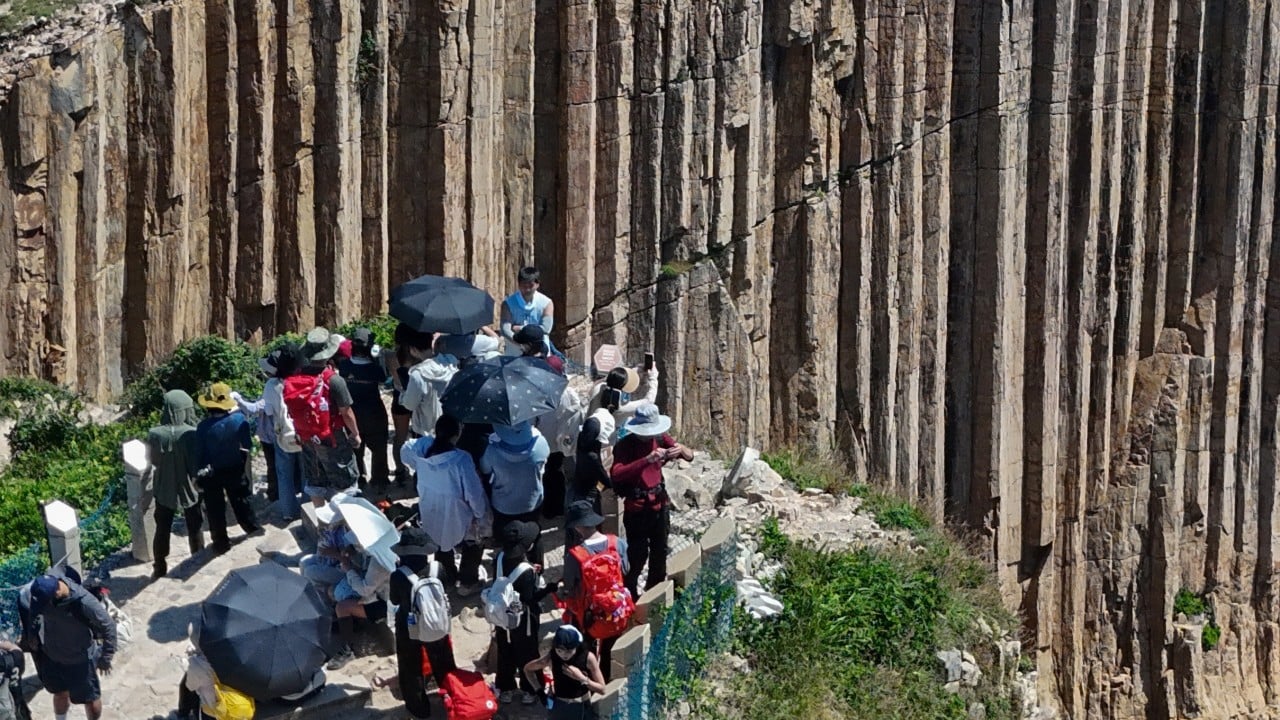
The mercury hit 33 degrees Celsius across parts of Hong Kong, and local trails immediately claimed more victims. Three hikers fell ill on popular routes, including rugged paths around Sai Kung and Tai Po, leaving emergency crews scrambling to execute mid-day airlift rescues.
It happens every single year. A hot weather warning flashes across the Observatory, tourists and locals alike ignore the invisible danger, and rescue helicopters roar out toward places like Po Pin Chau and the Plover Cove Reservoir.
If you think a short Sunday walk can't hurt you in high humidity, you're dead wrong.
The Reality of 33-Degree Hiking in Hong Kong
When temperatures soar past 33 degrees with heavy humidity, the city's concrete jungle traps heat, but the countryside exposes you to relentless solar radiation. On exposed coastal routes like the High Island Reservoir East Dam trail to Po Pin Chau, there is zero natural shade. Additional journalism by Mayo Clinic explores related views on this issue.
A 25-year-old visitor learned this the hard way when he collapsed with suspected heatstroke. Emergency services had to dispatch a Government Flying Service helicopter to airlift him directly to Ruttonjee Hospital. Shortly after, a 57-year-old man suffered severe dizziness and vomiting on the same path, requiring fire crews to walk him down. A third hiker faced similar heat exhaustion symptoms on the Plover Cove Reservoir country trail in Tai Po.
Three hikers down in a single afternoon. This isn't bad luck. It's poor planning against brutal physics.
Why Hong Kong Trails Catch People Off Guard
Hong Kong boasts world-class hiking right next to a mega-city. That convenience tricks people into treating rugged mountain tracks like an urban park stroll.
- The Humidity Trap: High humidity stops your sweat from evaporating. Your body loses its primary cooling mechanism, causing your core temperature to spike rapidly without warning.
- False Confidence: People look at a 5-kilometer trail and think it will take an hour. They bring a single small plastic water bottle, wear heavy cotton, and wear fashion sneakers instead of proper trail gear.
- Remote Dead Zones: Many scenic ridges lack mobile reception or easy exit points, turning minor dehydration into a full-scale rescue operation.
How to Stay Alive on Hot Weather Trails
Don't become a statistic on the evening news. If you refuse to stay indoors when the temperature hits the low thirties, follow strict survival rules.
Start your hike at dawn, long before the sun reaches its peak. Pack at least three liters of water containing electrolytes, not just plain tap water. Leave cotton shirts at home and wear lightweight, light-colored technical fabrics that breathe.
If you feel a sudden headache, chills, nausea, or dizziness, stop immediately. Sit in whatever shade you can find, douse your head with water, and call for help before you lose consciousness. The trail will still be there next week. Your life won't be if you try to tough it out.