Facing a life-altering medical diagnosis is terrifying at any age. Doing so as a teenager or young adult adds a brutal layer of isolation that most people don't understand until they live it. Hospitals are built for children or older adults. Young people caught in the middle often find themselves stranded in waiting rooms surrounded by patients who share neither their life stage nor their anxieties.
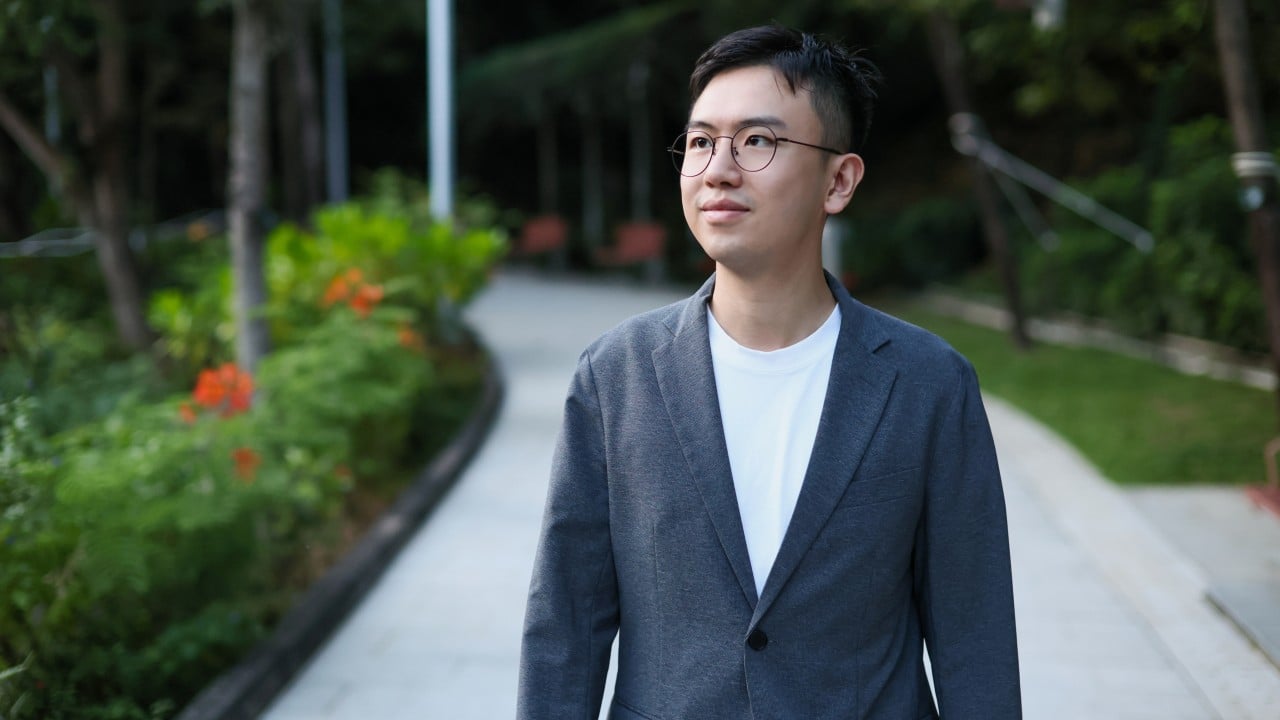
Timothy Chan saw this exact gap and refused to let it stay empty. He founded Youth Cancer Hong Kong to make sure young patients never have to navigate treatment alone. Recognized recently through the 14th Spirit of Hong Kong Awards—co-organised by Sino Group and the South China Morning Post—this youth-led initiative offers something traditional medical care often misses: peer understanding.
Breaking the Silence of Young Adult Diagnosis
When you're young, cancer interrupts everything. Education pauses, career paths stall, and social circles shrink because your peers are busy graduating, starting first jobs, or traveling. Friends mean well, but they simply don't get it. They haven't spent hours hooked up to IV drips or worried about fertility preservation before turning twenty-five.
Timothy Chan built Youth Cancer Hong Kong so patients could speak openly with others who actually grasp what diagnosis and treatment mean at that specific stage of life. It is not just about medical support. It is about emotional survival. Sharing fears about body image, academic disruption, and mortality with someone your own age changes everything. You stop feeling like an anomaly.
Why Grassroots Peer Support Fills the Gap
Medical professionals provide treatments, surgeries, and prescriptions. They save lives. But they don't stay up late answering late-night panic messages about hair loss or the fear of relapse. Grassroots organizations step into this exact space.
Youth-led charities operate with an authenticity that bureaucratic institutions can't replicate. When a young survivor talks to a newly diagnosed patient, there is an immediate trust. There is no clinical distance. They share practical survival tips, coping mechanisms, and raw honesty about the psychological toll of being sick when you are supposed to be invincible.
Too many people assume hospitals handle every aspect of patient well-being. They don't. Mental health and social isolation among teenage and young adult cancer patients remain critically under-addressed. Organizations like the one Timothy Chan created prove that peer empathy is just as vital as chemotherapy.
Moving Beyond Awareness Into Action
Recognition like the Spirit of Hong Kong Awards brings valuable spotlight to small charities, but the real work happens in the daily interactions. If you want to support youth-led healthcare initiatives, don't just share social media posts. Reach out directly to local patient advocacy groups. Offer your time, your skills, or direct financial support to organizations bridging the gaps in our healthcare system.
Support grassroots change where it matters most. Get involved with local health charities today and help ensure no young patient faces their toughest fight alone.