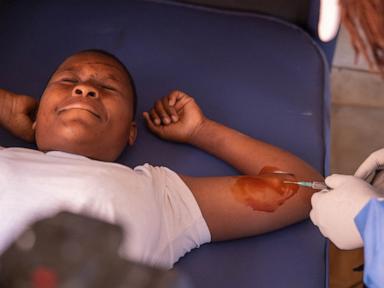
Drive down any county road in Iowa and you will see the same thing: endless fields of corn and soybeans stretching to the horizon, the engine room of American agriculture. But beneath the surface of the state's economic powerhouse, a quieter, deadlier reality has taken root. Iowa is one of only two states where cancer rates are actively climbing, holding the second-highest and fastest-growing cancer incidence rate in the nation. With the 2026 midterms approaching, this public health emergency is no longer just a local issue debated in town halls. It has become a central battleground shaping political survival.
Voters across the state are asking a hard question. How did a place known for wide-open spaces, clean rural air, and strong community values become a national hotspot for cancer? The answers are tied directly to environmental factors that politicians have spent decades sidestepping. From record-high agricultural runoff in waterways to pervasive radon in soil and groundwater contamination, Iowans are living with daily exposures that scientists connect directly to rising illness rates.
The Environmental Realities Behind the Numbers
Data from the Iowa Cancer Registry reveals an estimated 21,700 new invasive cancer diagnoses and 6,400 deaths across the state. While overall U.S. cancer rates have trended downward, Iowa stands out as a troubling outlier. Young adults in the state face cancer rates significantly higher than the national average, and the surge is forcing communities to confront uncomfortable truths about local industries.
Agricultural chemicals and fertilizers sit at the center of the debate. Rivers like the Des Moines and the Raccoon rank in the top one percent nationwide for nitrate concentration. Decades of heavy agricultural inputs have pushed nitrate levels in surface water and private wells past safe limits. Studies highlighted by groups like the Iowa Environmental Council and The Harkin Institute show strong correlations between higher average nitrate levels in drinking water and elevated risks for specific cancers. As extensively documented in recent coverage by WebMD, the implications are widespread.
At the same time, nature itself presents a hazard right under homeowners' floors. Iowa has some of the highest indoor radon concentrations in the United States. Radon remains the second-leading cause of lung cancer overall and the primary driver in non-smokers, yet countless rural and urban homes lack proper mitigation systems or even basic testing kits.
How the 2026 Midterms Changed the Conversation
For years, political candidates tiptoed around the state's environmental challenges to avoid alienating powerful agricultural lobbies. That playbook is failing. In the 2026 midterms, candidates from across the political spectrum find themselves forced to address water safety and healthcare access directly.
Democratic contenders are leaning heavily into stricter regulatory enforcement. Candidates like Nate Willems advocate for using the Attorney General's Office to prosecute corporate polluters directly, bypassing state agencies seen as too lenient. Others, such as Christina Bohannan and Lindsay James, emphasize expanding financial incentives for cover crops, reducing soil runoff, and establishing guardrails for private insurance companies to prevent the denial of doctor-recommended cancer treatments and diagnostic scans.
Meanwhile, incumbent Republicans and conservative challengers are pushing back against heavy-handed federal mandates. Figures like Representative Mariannette Miller-Meeks point to voluntary conservation programs, research into biochar at Iowa State University, and regenerative agriculture as the best paths forward. They argue that punitive regulations will crush rural economies without solving the root problem. Even so, debates over federal health policy—including votes on Affordable Care Act funding and subsidies—remain flashpoints, with critics arguing that cutting healthcare support leaves rural cancer patients stranded without early detection resources.
What Needs to Happen Next
Fixing a crisis this deeply embedded requires more than campaign promises. If you live in an affected region, waiting for legislation to trickle down is a losing strategy.
- Test your water regularly: If you rely on a private well, don't assume clear water is safe water. Test annually for nitrates and agricultural contaminants, and invest in certified reverse osmosis filtration systems if levels run high.
- Check your home for radon: Pick up a simple radon test kit or hire a professional. Mitigation systems are straightforward to install and drastically lower lifetime lung cancer risks.
- Demand transparency from local leadership: Push candidates running in your district to release concrete plans on water quality monitoring, rural healthcare funding, and support for independent clinical trials.
The public health crisis in Iowa isn't a future projection. It is happening right now, reshaping communities and defining the ballot box.