Another child is paralyzed. Another district makes grim headlines. Pakistan just logged its fifth polio case of 2026, and if you've been following global public health for even a decade, you're probably experiencing a heavy sense of déjà vu.
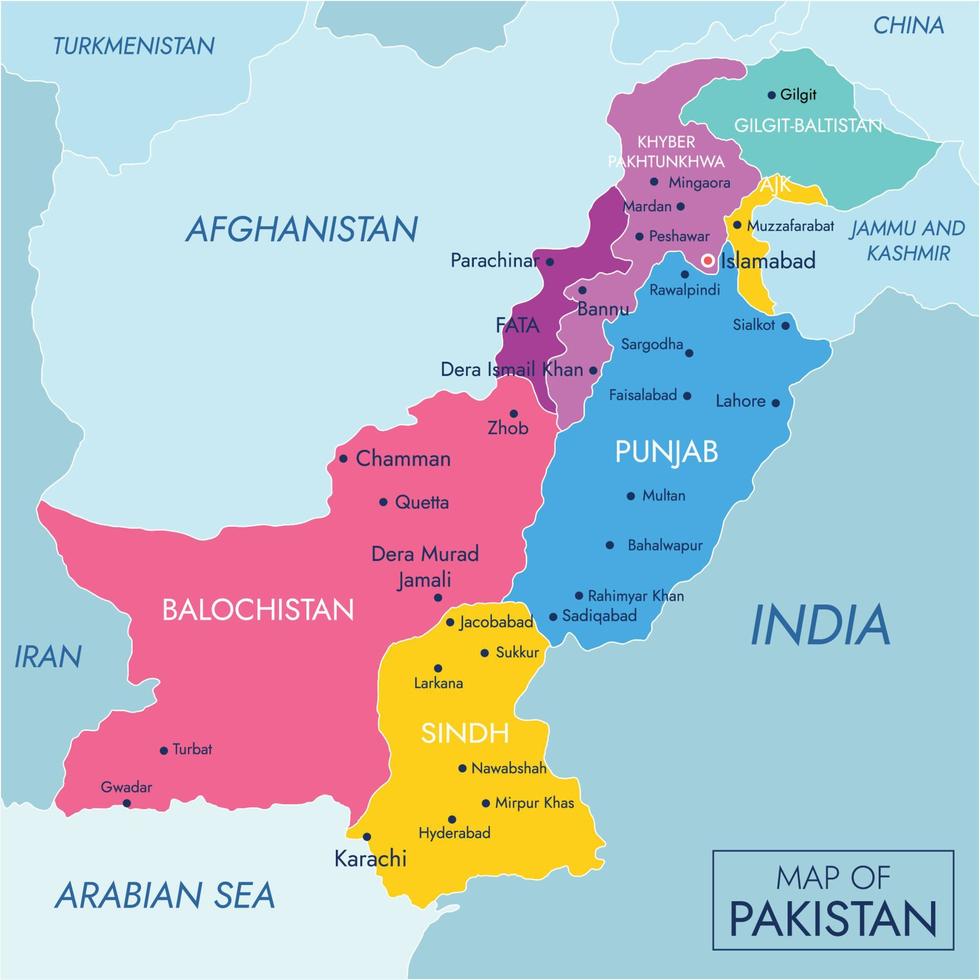
The virus was found in a 17-month-old girl living in the Bannu district of Khyber Pakhtunkhwa. Four out of the five total cases recorded this year belong right here in the Bannu division. That's not random luck. It's a glaring symptom of a much deeper institutional and security failure that health officials have battled for decades.
The Ground Reality in Khyber Pakhtunkhwa
Let's look past the press releases. Why does Bannu keep turning up positive tests?
The region sits in a volatile security corridor. When local checkpoints are targeted by militant violence and health workers face direct threats, door-to-door vaccination campaigns grind to a halt. You can't administer drops if the people carrying the vaccine are dodging danger or if suspicious communities shut their doors out of fear. As highlighted in detailed coverage by Psychology Today, the results are significant.
Four cases in Khyber Pakhtunkhwa and a single case down in Sindh tell a clear story. The wild poliovirus survives where state authority is fragile and healthcare access is fractured.
The Hard Truth About Eradication Efforts
Public health bodies love to talk about milestones, targets, and final pushes. But polio eradication isn't a straight line. It's an exhausting ground war against misinformation, logistics gaps, and geopolitical instability.
Pakistan and Afghanistan remain the last two countries on earth where the wild poliovirus refuses to die. Every time health workers make headway, a security breakdown in northwestern Pakistan creates an immunity gap. Unvaccinated children slip through the cracks. Weeks later, environmental samples test positive, or worse, a toddler loses the use of their legs.
Polio doesn't care about politics. It spreads silently through contaminated water in densely populated, under-sanitized pockets, striking children before their immune systems can fight back. And once it causes paralysis, it's permanent. There is zero cure. Prevention via oral or inactivated polio vaccines is the only shield.
What Needs to Change Right Now
If health authorities want to stop chasing numbers every year, the strategy has to shift from reactive firefighting to permanent community integration.
- Secure the vaccinators: Vaccination teams need local protection that doesn't look like an occupying military force. Trust is currency.
- Engage local elders: Religious and community leaders hold the real power in districts like Bannu. Without their backing, rumors about the vaccine win every time.
- Fix routine immunization: Relying solely on emergency door-to-door polio drives isn't enough anymore. Routine childhood immunization must be strengthened across every remote union council.
Until these structural flaws are fixed, expect more grim announcements. Stopping the virus requires more than drops in bottles. It demands stability on the ground.