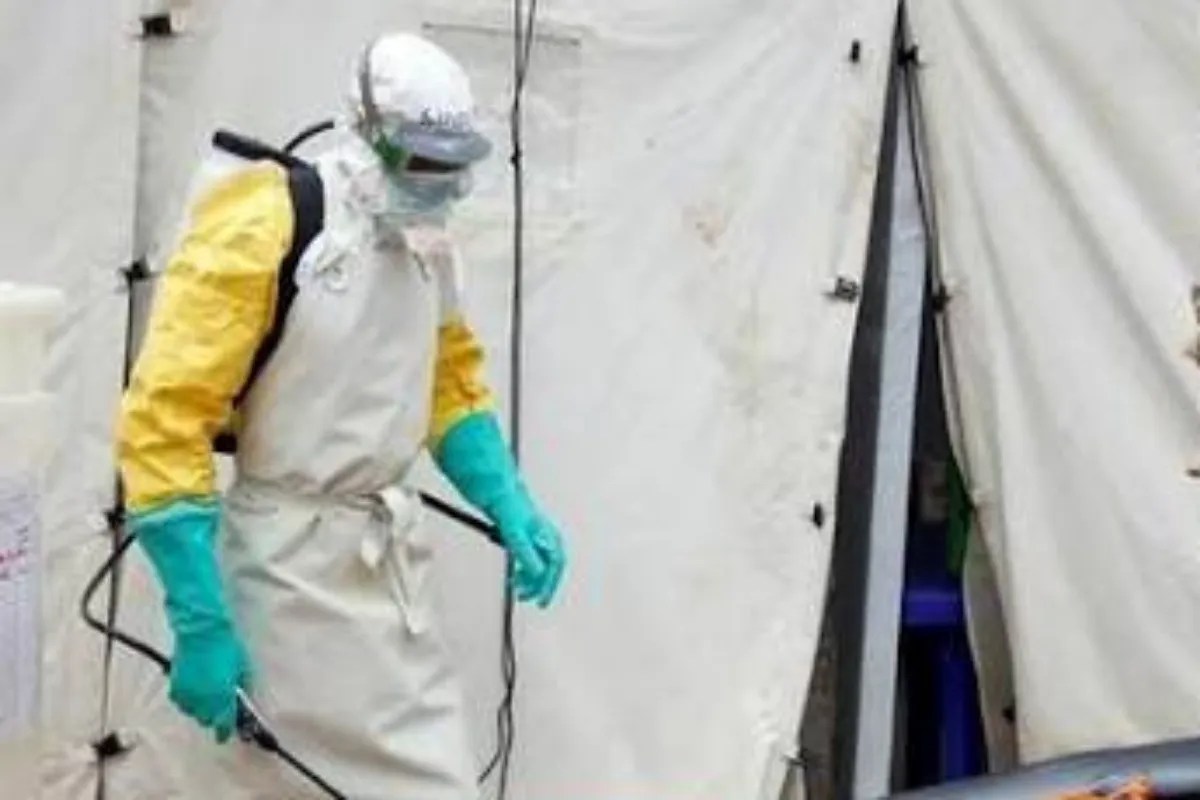
We act surprised every single time the numbers tick upward, as if geography and biology haven't established a brutal routine in central Africa. Democratic Republic of Congo is facing another grim milestone with total reported cases crossing the 8,000 mark. But focusing solely on a single running tally misses the structural reality of why this specific pathogen refuses to stay down.
The real danger right now isn't just the sheer volume of infections. It's the stubborn persistence of the Bundibugyo strain. Unlike other variants that have well-researched vaccines and established antiviral treatments, this specific strain operates in an infuriating therapeutic blind spot. You don't walk into a clinic here and receive a guaranteed silver bullet. Medical workers are often forced to manage symptoms and rely on containment protocols rather than targeted immunizations, leaving communities vulnerable when transmission chains flare up.
Let's be honest about why containment fails repeatedly. Public health isn't just about medicine. It's about trust, infrastructure, and infrastructure collapse. When you operate in remote regions grappling with local conflict, porous borders, and deep-seated distrust of outside intervention, standard epidemiological playbooks fall apart. People hide symptoms out of fear. Burial traditions clash with quarantine protocols. Clinics lack reliable cold chains for basic supplies, let alone advanced therapeutics.
Look at what actually works on the ground versus what looks good on paper in a Geneva board meeting. International agencies love to ship temporary tent hospitals, but local healthcare workers who speak the language and understand community dynamics are the ones who actually stop outbreaks. If you don't fund grassroots health posts and compensate local contact tracers properly, no amount of foreign aid will prevent the next wave.
We need to stop treating each DRC outbreak as an isolated tragedy or an exotic news ticker item. It's a systemic failure of global health equity. Until research funding is aggressively directed toward developing universal therapeutics for neglected variants like Bundibugyo, and until local health systems are built to withstand chronic shocks rather than emergency band-aids, we will keep having this exact same conversation at the 10,000-case mark.
Check your local public health travel advisories if you're moving through central Africa, support organizations funding local frontline responders, and stop accepting that regional health crises are someone else's distant problem.