Protecting wild spaces sounds great in theory, but it's usually bogged down by bureaucratic red tape and slow progress. Yet, a multi-year effort along Wisconsin's Lake Superior shore recently achieved a quiet victory. Conservation groups and federal agencies locked down protection for more than 1,700 acres, proving that targeted ecological restoration can actually happen on the ground.
If you care about clean water, native wildlife, and keeping the Upper Midwest's ecosystems intact, this project offers a masterclass in how local conservation partnerships succeed where sweeping federal mandates often stall.
What's Actually Happening on the Wisconsin Shoreline
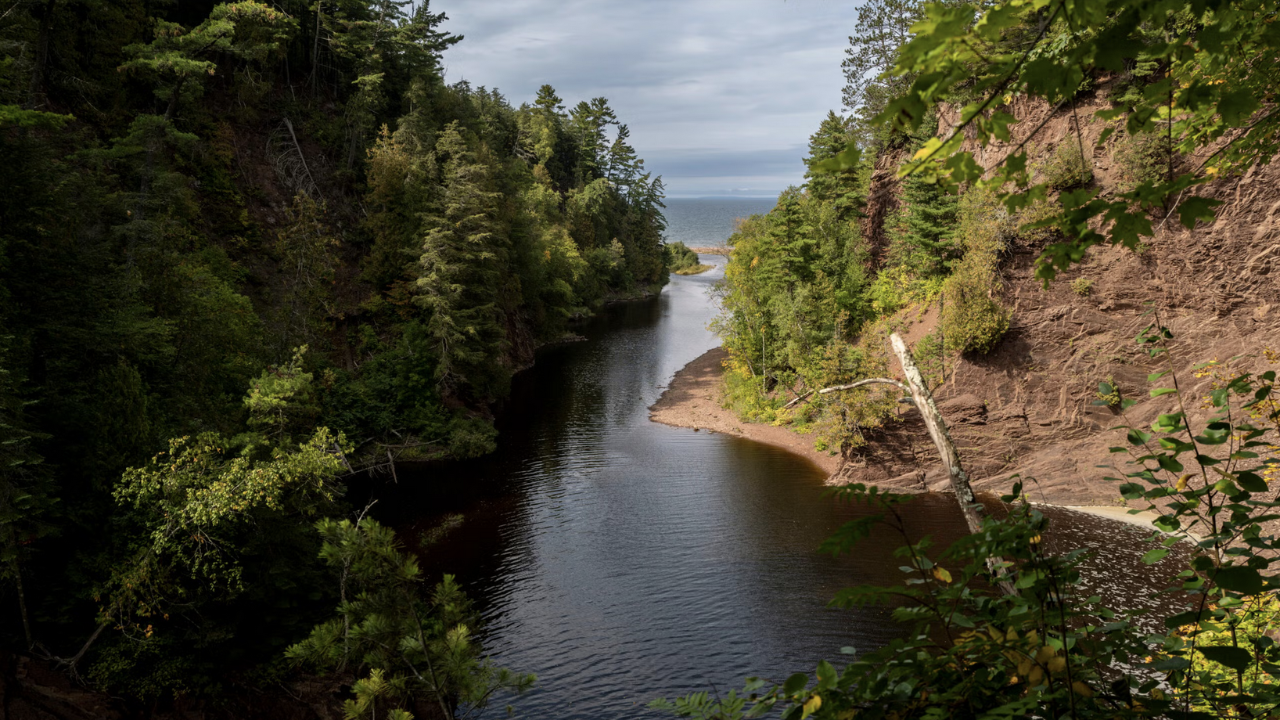
The project centers on the south shore streams area, a vital network of forests, wetlands, and cold-water tributaries flowing into Lake Superior. Run by the Landmark Conservancy alongside the US Fish and Wildlife Service, the initiative relied heavily on voluntary conservation easements.
Instead of heavy-handed government takeovers, the nonprofit worked directly with willing private landowners. These agreements legally shield critical watersheds—including the Whittlesey Creek, Iron River, Marengo River, Pokegama River, and White River systems—from future commercial fragmentation while letting landowners keep their properties. Additional analysis by Refinery29 explores related perspectives on this issue.
Why does this matter so much? Because northern Wisconsin's streams dictate the health of the entire Great Lakes drainage basin. When the surrounding forests and wetlands degrade, soil erodes, water temperatures rise, and native brook trout lose their spawning grounds. Keeping these corridors shaded and intact prevents those cascading failures.
Beyond Land Grabs: Real Restoration Work
Acquiring acreage is only half the battle. Conservationists know that a protected forest choked with invasive buckthorn or reed canary grass is little better than a parking lot for local biodiversity.
Landmark Conservancy didn't just buy the deeds and walk away. Crews tackled active habitat restoration across the region, treating 25 acres for aggressive invasive species that crowd out native flora. They planted conifers in targeted forested wetlands, restoring the natural sponge effect that holds back storm runoff and filters pollutants before they hit Lake Superior.
This mix of land acquisition and hands-on maintenance is rare. Too many environmental initiatives focus entirely on acreage metrics while ignoring the grueling, unglamorous work of weed management and native replanting.
The Power of Voluntary Partnerships
Bureaucrats love grand announcements, but real ecological defense happens block by block, acre by acre. This initiative succeeded because it aligned private property rights with long-term environmental health through the Great Lakes Restoration Initiative framework.
When you give local landowners clear options—showing them how healthy watersheds benefit their own land values and local fishing culture—they become active stewards rather than adversaries.
Protecting 1,700 acres won't solve global climate change overnight, but it keeps local ecosystems resilient against rising development pressures. If other regions want to protect their vital watersheds, they should look closely at how Wisconsin bridged the gap between federal funding, nonprofit muscle, and everyday landowners.
Support local conservancy groups in your area, look into how conservation easements work if you own rural land, and pay attention to the small streams in your backyard before they need saving too.