When law enforcement crosses paths with everyday gig work, the consequences can spiral out of control in seconds. That harsh reality hit Austin, Texas, when a routine immigration enforcement check transformed into a shooting that left a Venezuelan delivery driver hospitalized with a bullet lodged near his spine for nearly two weeks.
The case of Wilber Rafael Garces Perez highlights the high-stakes friction surrounding immigration enforcement, traffic stops, and accountability within federal agencies.
The Incident That Led to the Shooting
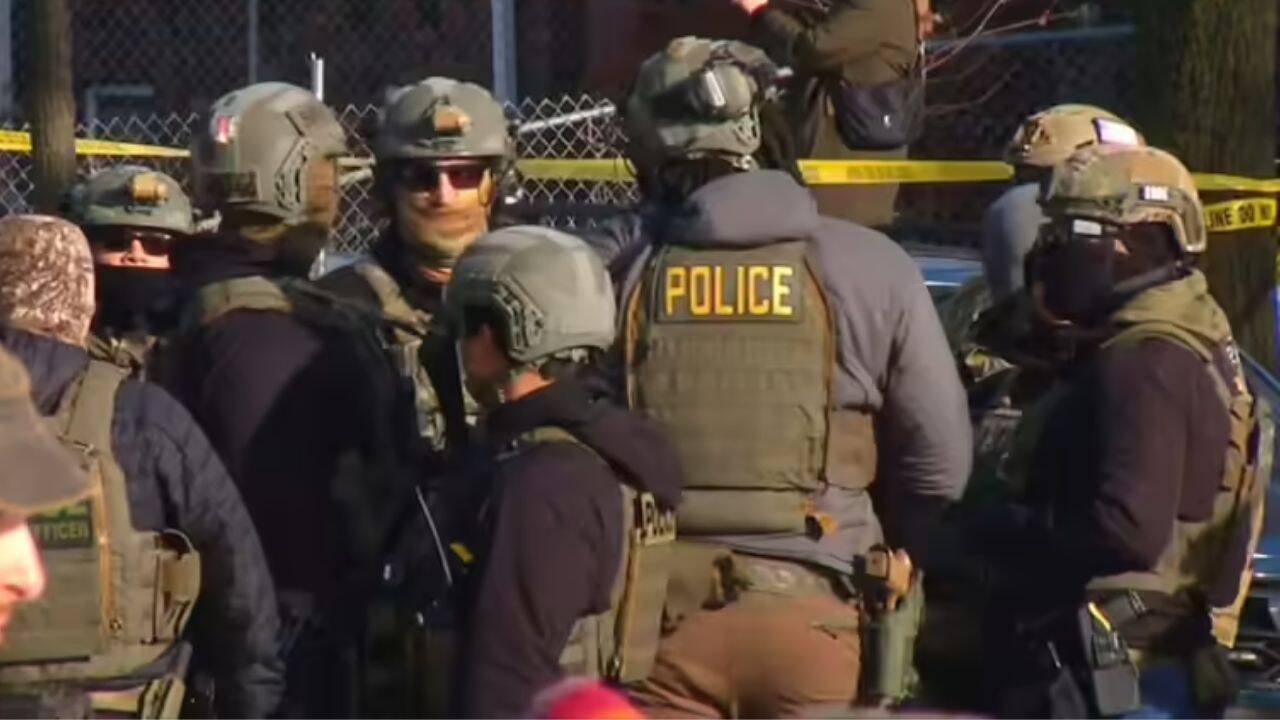
The sequence of events began on September 20. Officers with US Immigration and Customs Enforcement were running license plate checks in Austin. They flagged a vehicle tied to 28-year-old Wilber Rafael Garces Perez, noting that he had a final removal order on file.
What happened next depends entirely on who you ask.
Federal prosecutors claim that after initiating a traffic stop, Garces Perez attempted to flee. According to the government's account, his vehicle struck an officer in the torso with a side-view mirror during the getaway attempt. A brief vehicle pursuit ensued, culminating in an ICE officer firing his weapon and striking Garces Perez in the back.
Garces Perez disputes that narrative entirely. His legal team maintains that an unmarked law enforcement SUV rammed his car, forcing it into a spin before the officer opened fire. Adding fuel to the public outcry, reports confirmed that the ICE officer who pulled the trigger was not wearing a body camera, leaving a critical gap in visual evidence for investigators.
Weeks in Custody With a Bullet Near the Spine
The immediate aftermath brought severe medical concerns. Following the shooting, Garces Perez was initially taken to a hospital for emergency stabilization. However, authorities transferred him into the custody of the US Marshals and ICE while a bullet remained lodged in his back.
His legal team and supporters fought aggressively for adequate medical care, warning that the placement of the projectile threatened nerve function and sensation on the left side of his body. Nearly two weeks after the shooting, Garces Perez finally underwent surgery to remove the bullet.
He appeared in a federal courtroom in a wheelchair, sporting a sling on his left arm. Federal prosecutors have slapped him with serious charges: assaulting and resisting a federal officer. A conviction on the assault charge alone carries a maximum penalty of 20 years in federal prison.
Broader Fallout and Protests in Austin
This case didn't happen in a vacuum. Austin streets saw demonstrations and protests following the shooting, with activists directing anger at aggressive federal immigration enforcement tactics and the conduct of armed officers operating without body cameras.
The incident forces a hard look at how federal agencies operate at the local level, especially when routine delivery work or gig driving intersects with immigration enforcement operations. When accountability mechanisms like body cameras are missing, public trust evaporates instantly, leaving communities demanding answers that agencies are often slow to provide.