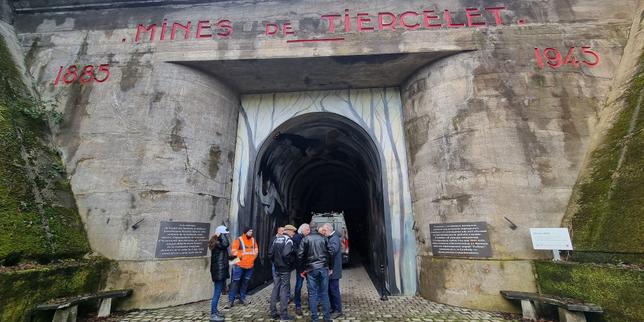
History isn't neatly separated from current affairs, no matter how much local authorities might wish it were. In Thil, a quiet commune in Meurthe-et-Moselle, a planned civic tribute to 37 Soviet forced laborers who died victims of Nazi barbarism was abruptly postponed after a fierce forty-eight-hour polemic erupted locally.
When international conflicts spill over into small-town France, local governance turns into a tightrope walk. Let's look at why a routine historical commemoration became a flashpoint.
Why a Historical Tribute Sparked Immediate Backlash
The ceremony was designed to honor thirty-seven Soviet women—resistance fighters and forced laborers deported to a concentration camp annex during the Second World War. These women, often associated with groups like Rodina, endured unimaginable horrors under the Nazi regime on French soil. Honoring their sacrifice should be straightforward. It is a matter of historical duty and honoring the dead.
Yet, context matters. Ever since the escalation of the Russian-Ukrainian war, anything touching upon Russian history, Soviet symbols, or Eastern European WWII memory carries heavy modern political baggage. Critics and local observers quickly raised concerns over how such a ceremony could be perceived or instrumentalized in the current diplomatic climate. What was meant as a tribute to anti-fascist victims of the mid-20th century instantly collided with the brutal realities of 2026 geopolitics.
The Cost of Postponement
Faced with mounting tensions and heated debates within the community, the town hall of Thil chose postponement over confrontation. But kicking the can down the road creates its own set of problems.
When you delay honoring victims of totalitarianism because of modern geopolitical friction, you send a confusing signal. Does the suffering of forced laborers expire when diplomatic relations sour? Of course not. Historical victims shouldn't become collateral damage in contemporary geopolitical proxy battles.
Local officials find themselves trapped between two impossible choices. If they proceed, they risk accusations of political insensitivity or propaganda endorsement. If they cancel or postpone, they dishonor the memory of women who died in Nazi camps.
Memory Versus Modern Propaganda
The core issue here points to a broader societal anxiety. European memorials dedicated to Soviet victims of WWII are navigating a minefield. Moscow has long weaponized the memory of the Great Patriotic War to justify its modern military actions, turning historical remembrance into a state ideological tool. Consequently, local European communities hosting these memorials are increasingly forced to scrutinize events that used to pass without political friction.
You can't separate the monument from the moment. When citizens look at Soviet memorials today, they don't just see 1945; they see 2026 headlines, destroyed cities, and broken alliances. That reality makes local heritage work infinitely more complicated.
Protecting historical truth means separating the individual human tragedies of forced laborers from the geopolitical maneuvers of modern states. Thirty-seven women died in brutal conditions in Lorraine. Their suffering was real, independent of who sits in power in Moscow today.
Postponing a ceremony might calm a week of local controversy, but it avoids the harder conversation. Communities across Europe need to learn how to honor the victims of fascism without letting modern authoritarian regimes hijack that history. Don't let political discomfort erase historical accountability. The dead deserve better than being caught in the crossfire of current events.