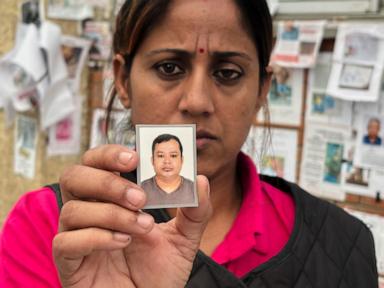
The heavy machinery has finally powered down across the devastated river valleys of Nepal. Authorities have officially called off active search and rescue operations for the thousands still missing following August's catastrophic flash floods. When a government declares that hope of finding survivors has run out, it leaves behind a brutal vacuum. Families who spent weeks gripping photographs and scanning hastily pinned lists at relief centers now face a chilling reality. There's no body to bury, no grave to visit, and no definitive answer.
You're left looking at a landscape altered beyond recognition. The floods, which began late August near the Tibet border, left at least 1,455 people dead and thousands more unaccounted for. Months of digging through layers of dense mud, shattered concrete, and massive boulder fields have yielded heartbreaking totals. But with over 5,000 people still officially listed as missing, the transition from rescue to recovery feels cruel to those left behind.
The Breaking Point of Grief and Anger
Reactions on the ground aren't monolithic. They swing wildly between bitter fury and exhausted resignation. When you travel to places like Nuwakot or Ramechhap, you hear the raw frustration of people who feel abandoned by the timeline. Many family members spent weeks traveling tens of miles, living out of temporary shelters, clinging to the slim chance that a relative might have been trapped in an air pocket or sheltered in a remote gorge.
When the state announces it can no longer justify active extraction teams, it feels like a second abandonment. Relatives ask why the search stops when thousands are still missing. The government counters with logistics and physics. Entire infrastructure systems—including 12 vital hydroelectric projects, countless roads, and wiped-out bridges—remain buried under feet of debris. Officials estimate that early recovery and rehabilitation alone will cost nearly $5 billion. The resources simply ran dry, leaving communities to shoulder the weight of an incomplete tragedy.
What Happens When Search Turns to Rehabilitation
Stopping the search doesn't mean the crisis is over. It means the focus shifts to a grim administrative cleanup. Declaring missing persons dead opens up legal nightmares regarding property, inheritance, and state compensation for families. For foreign nationals—including tourists and workers from countries like Britain, Malaysia, and the United States—the closure of active operations forces embassies and local authorities to transition into bureaucratic processing.
Yet, numbers on a spreadsheet don't capture the human cost. Dil Maya Lama walked nearly 80 miles from Ramechhap just to find any scrap of news about her brother, a hydropower driver stationed in Rasuwa. Weeks later, she returned home empty-handed. That's the story of this disaster. It’s not just about the thousands of homes swept away or the billions in economic damage; it’s about an entire population forced to find closure in the absence of evidence.
Moving Forward Without Answers
Disasters of this scale expose the fragile boundary between human lives and geographical fury. When glaciers trigger flash floods across Himalayan borders, modern rescue technology hits a wall of mud and rock. The international teams from India, China, and the UAE tried their best, but nature ultimately dictated the timeline.
If you're watching from afar, it's easy to view this as just another international headline that fades with the news cycle. Don't look away that easily. The survivors in Nepal are now facing a brutal winter with wrecked homes, destroyed farmland, and no closure for their missing kin. Recovery isn't just about rebuilding roads and dams. It's about living with the ghost of a neighbor, a sibling, or a child who vanished in the middle of the night.
Nepal ends search and rescue after flood, focuses on rehabilitation
This video provides an up-close look at the aftermath of the devastating Nepal floods and the transition from rescue operations to community rehabilitation.
http://googleusercontent.com/youtube_content/1