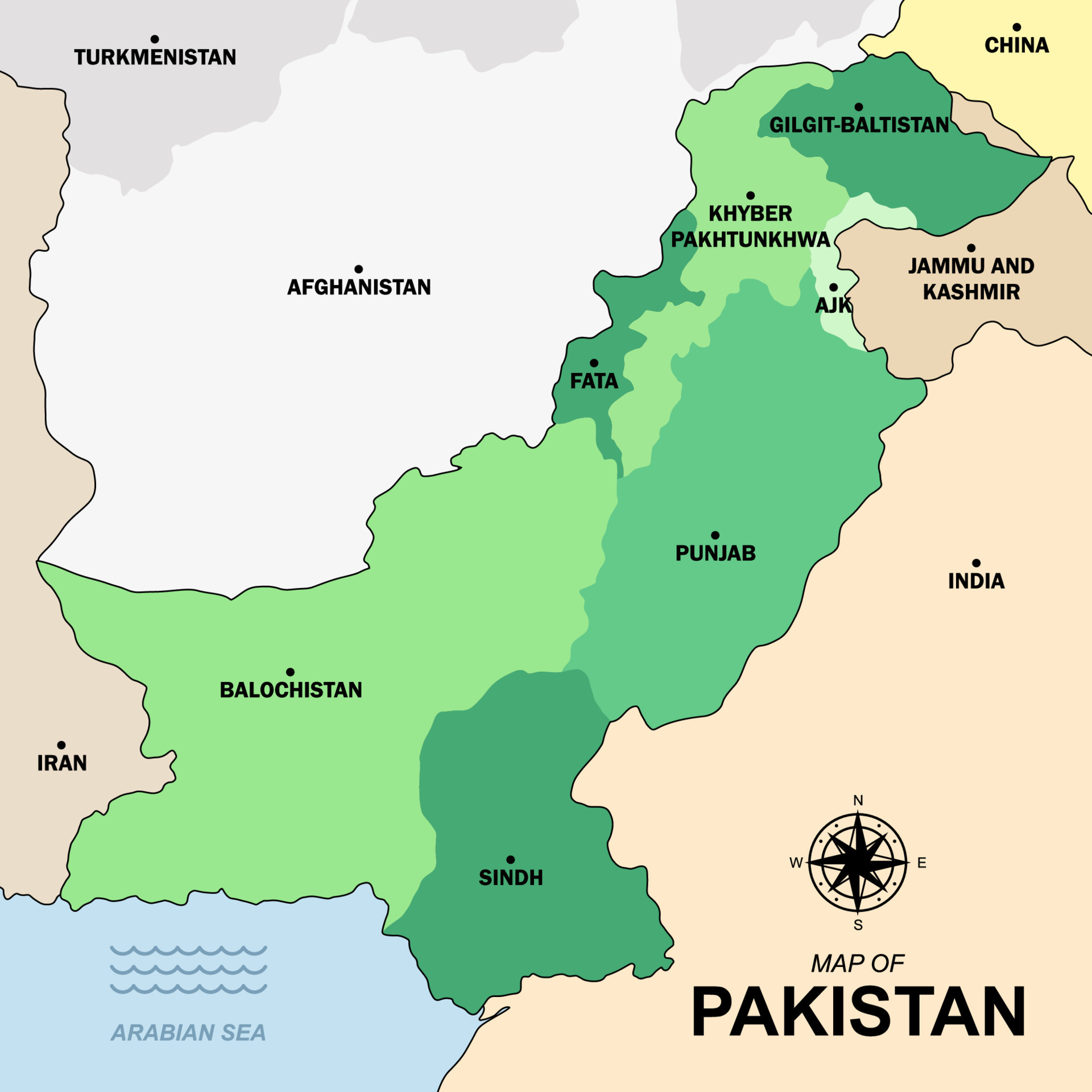
Eleven years ago, Pakistan’s parliament stood its ground. Lawmakers reviewed a Saudi request for troops, warplanes, and ships to join the Yemen campaign, and they said no. They voted unanimously to stay neutral.
Today, that scene belongs to an entirely different century.
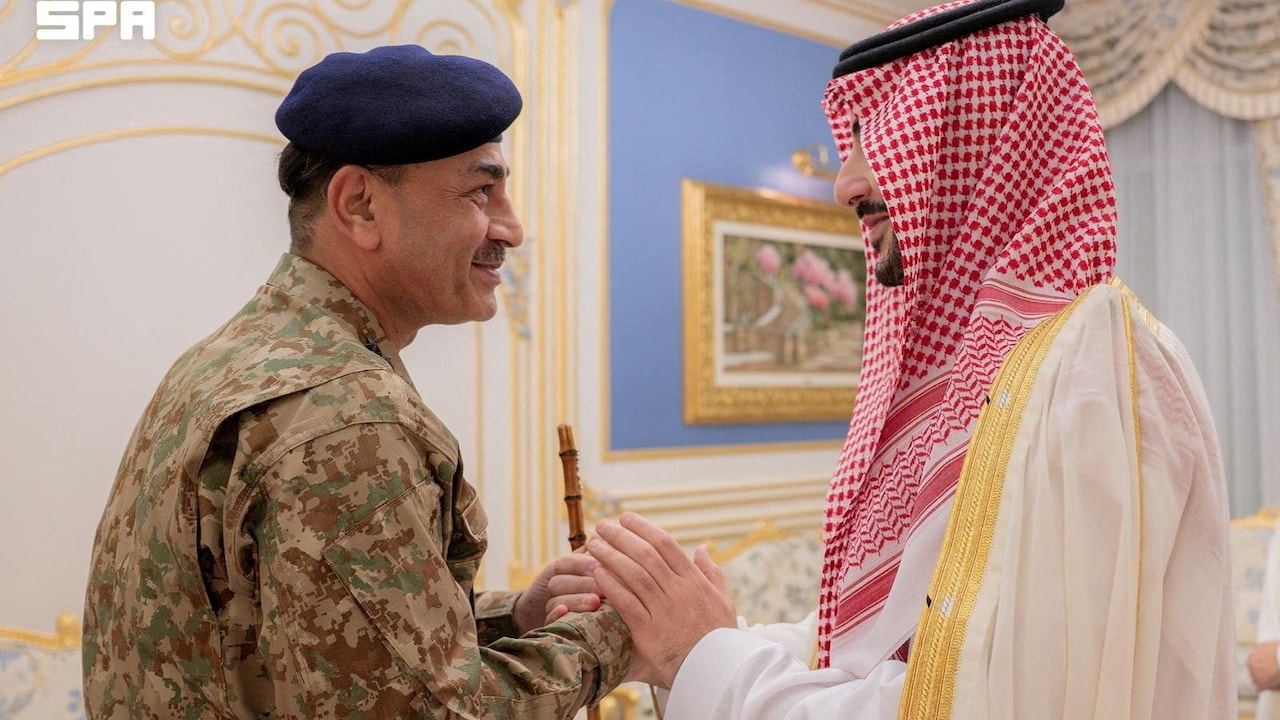
Under Field Marshal Asim Munir, Pakistan just agreed to rapidly deploy fresh forces to Saudi Arabia. There was no parliamentary vote. There was no public floor debate. The decision bypassed civilian oversight completely, triggered by a defense pact signed with Saudi Arabia and Turkey.
If you want to understand where regional power actually resides in South Asia, look right here.
The Shift From 2015 to Today
Back in 2015, the political architecture of Pakistan demanded at least a nod toward civilian consensus. Governments had to pretend parliament mattered for monumental foreign deployments.
Not anymore.
Constitutional amendments cemented Asim Munir’s command over all three military branches until 2030, complete with a lifetime field marshal rank and blanket legal immunities. When Saudi infrastructure came under severe fire from Yemen-based, Iran-backed Houthi drones and missiles, Riyadh didn't call Islamabad's civilian cabinet. They dealt directly with the military hierarchy.
Michael Kugelman of the Atlantic Council put it bluntly: "There were times in the past when Pakistan's parliament would vote not to send troops, and the military would abide by that decision. But it's a different era now."
What the Mecca Joint Defence Agreement Actually Means
The recent emergency meeting in Riyadh brought together military chiefs from Saudi Arabia, Turkey, and Pakistan. They issued a joint condemnation of strikes targeting holy sites like Mecca and Medina, pledging rapid troop deployments based on "national legislation."
Details are murky. The information ministry in Islamabad claims the pact went through necessary government procedures, yet labeled specific deployment numbers and command structures as operational secrets.
Let's be clear about the risks.
Pakistan maintains complex, delicate diplomatic channels with Tehran, often acting as a quiet mediator in broader regional tensions. Sending boots or air defense assets to counter Houthi operations head-on creates a massive geopolitical hazard. If Pakistani forces actively engage Iran's proxy allies, Islamabad’s diplomatic balancing act with Tehran could shatter overnight.
The Domestic Power Equation
Domestically, this move acts as both a symptom and a accelerator of military supremacy.
Imran Khan’s Pakistan Tehreek-e-Insaf party faces relentless pressure, with street protests and legal battles dominating the headlines while the army pulls the ultimate strings on national security and foreign affairs. Civilian leaders from the ruling coalition have largely stayed silent or offered polite nods to the "trust and symbiosis" between Prime Minister Shehbaz Sharif and the field marshal.
Andreas Krieg of King’s College London points out a dangerous feedback loop. International partners treat the Pakistani army as the only reliable institutional partner in the country. By rewarding the military with bilateral pacts and strategic relevance, foreign capitals continuously reinforce the domestic civil-military imbalance.
Once these commitments are signed with weak internal counterweights, extracting the country from unforeseen military costs becomes nearly impossible.
The era of parliamentary vetoes over foreign wars is dead. As regional conflicts flare up across the Middle East, Pakistan’s armed forces are moving fast, leaving civilian politicians behind to read about it in the news.