Diplomatic stages love grand speeches, but empty declarations won't stop a famine. As the curtains close on the United Nations General Assembly, Sudan has finally forced its way to the absolute forefront of global attention. Yet the real question isn't why the crisis took center stage on the final day, but whether world leaders will do anything beyond offering polite expressions of deep concern.
Millions face acute hunger while funding shortages leave vital agencies operating at a fraction of their necessary budgets. For years, the international community treated the catastrophic conflict between the Sudanese Armed Forces and the Rapid Support Forces as a secondary tragedy. That excuse no longer holds up. When diplomats gathered in New York, the undeniable reality of mass displacement, widespread aid shortfalls, and surging external weapon supplies shattered any remaining diplomatic complacency.
The Cost of Ignoring a Geopolitical Epicenter
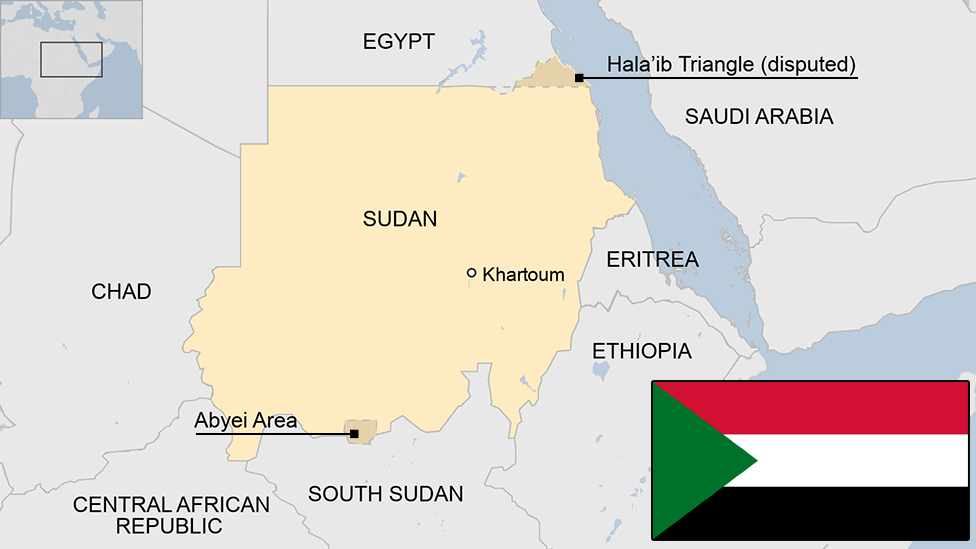
You cannot look at Sudan in isolation. It sits right at the intersection of the Horn of Africa, the Sahel, the Red Sea, and North Africa. When state structures fracture here, the shockwaves travel across borders. Envoys clashed at the UN over allegations of external backing, proxy fuel supplies, and chemical arms utilization, turning the assembly hall into a pressure cooker of accusations and counter-accusations.
Foreign ministers and high-level representatives faced intense scrutiny over the ongoing flow of weaponry keeping the battlefield active. Security experts point out a stark truth: the war persists because external actors continue to fund and arm opposing factions. Without strict enforcement of arms embargoes and genuine external restraint, every peace initiative remains dead on arrival.
Who Actually Speaks for Sudan
Behind the podium exchanges lies a deeper governance crisis. With top military leadership absent or facing intense international friction over visa restrictions and conditions for ceasefires, the question of legitimacy hangs heavily over the diplomatic process.
Who represents a country where traditional state apparatuses are crippled? Ground-level resilience tells a very different story than official delegations. Across neighborhoods, local emergency response rooms and grassroots volunteer networks have kept millions alive through community kitchens and makeshift clinics. International diplomacy often focuses exclusively on rival generals while ignoring the civil society actors who shoulder the burden of daily survival. If future political transitions exclude these community leaders, any peace agreement is bound to collapse from the start.
Turning Attention Into Action
The risk of a catastrophic regional famine emergency is not a distant prediction; it is an active hazard unfolding right now. The World Food Programme faces massive funding deficits, leaving millions without predictable food distributions. Emergency declarations and high-level panels mean nothing if the funds don't clear and supply routes remain blocked by active combat.
Real progress requires a synchronized approach. First, external sponsors must halt the flow of weapons and logistics fueling the conflict. Second, belligerents must face immediate accountability for attacks on hospitals, markets, and humanitarian corridors. Third, global donors must immediately close the funding chasm threatening basic survival services.
Sudan's moment in the spotlight at the UN General Assembly was long overdue. Now, the international community has to prove whether its diplomacy carries any real weight, or if it's just another cycle of empty promises while a nation bleeds out.