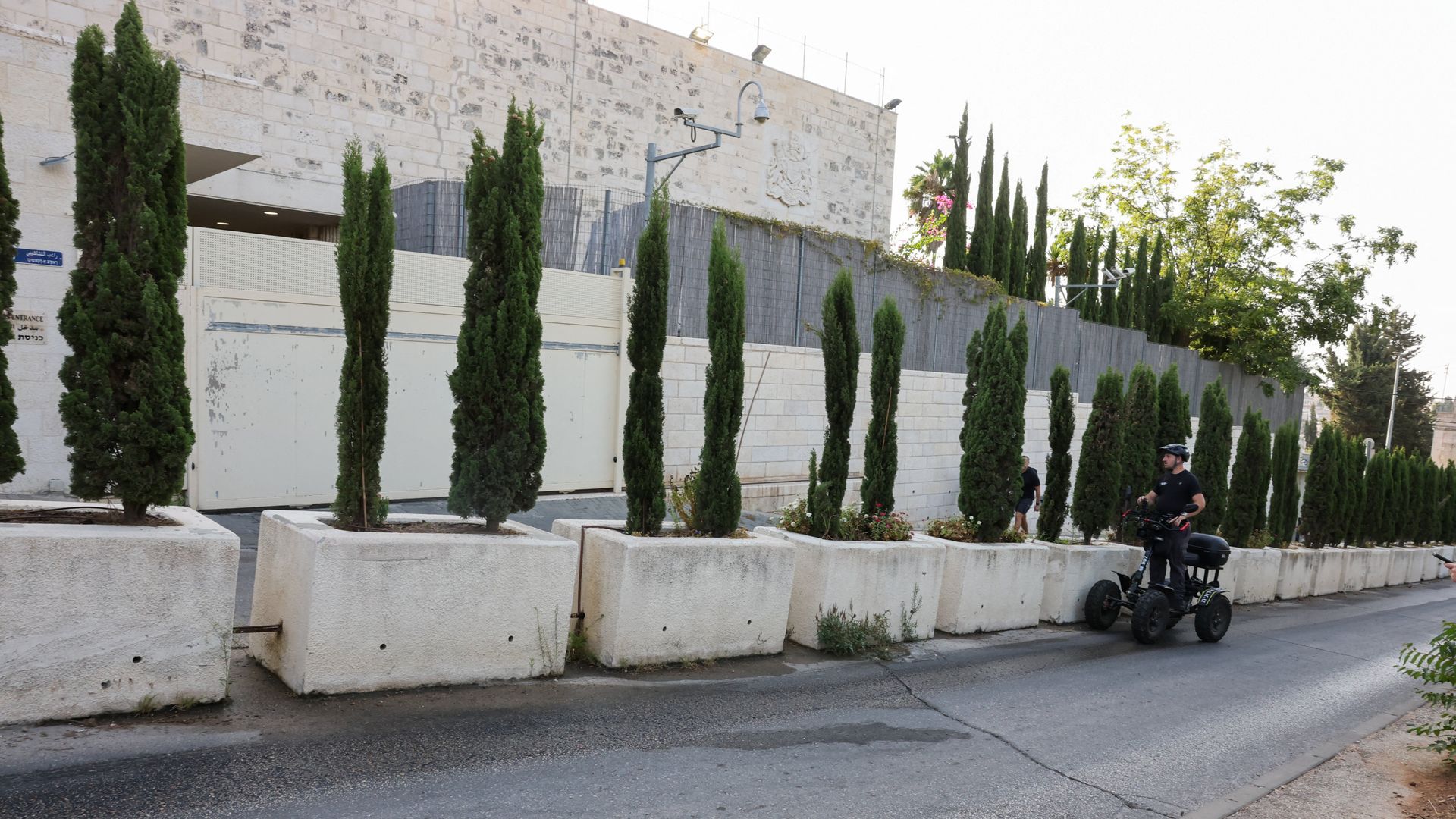
Diplomatic relations between London and Jerusalem just hit a brick wall. When the Israeli government ordered the nearly 200-year-old British consulate in East Jerusalem to shut its doors, it wasn't just a routine bureaucratic spat. It was a direct retaliation for Britain's sweeping ban on trade with illegal West Bank settlements.
If you think this is just about customs paperwork or minor import restrictions, you are missing the entire picture. This is a massive escalation that exposes deep fractures in how Western allies handle the ongoing conflict in the Palestinian territories.
Why Israel Lowered the Boom on British Diplomats
The clash erupted after the UK government introduced stringent sanctions targeting goods produced in Israeli settlements across the occupied West Bank. British officials framed the move as a defense of the two-state solution. Israel saw it differently. Israeli Foreign Minister Gideon Sa'ar labeled the actions and accompanying political accusations as hostile interference, prompting an immediate order for the consulate to cease operations within thirty days.
Twenty diplomatic staff, including the consul general, had to pack their bags and leave. Israel capped the remaining presence at just seven diplomats with severely restricted operational scopes.
The consulate wasn't just any diplomatic outpost. It served as Britain's primary channel for monitoring conditions in Jerusalem, the West Bank, and the Gaza Strip. By squeezing this facility, Jerusalem is sending an unmistakable message to London and other European capitals flirting with similar trade restrictions.
The Rebranding Strategy Behind the UK Mission
Britain refuses to fold completely. Instead of abandoning the historic property, London announced that the facility will reopen as the "UK Mission, Jerusalem." British officials argue that Israel has no legal right to shutter a diplomatic building in East Jerusalem under international frameworks.
Yet, changing a sign on a wall doesn't restore lost political leverage. A downsized mission with a handful of staffers cannot operate with the same authority or reach as a full consulate. Palestinians living in the West Bank and Gaza are the ones who ultimately bear the cost of this diplomatic freeze, losing a key international voice that tracked human rights and local developments on the ground.
What Comes Next for UK-Israel Relations
This fallout is far from finished. Other European nations like France and Sweden maintain similar consulates in Jerusalem accredited to the Palestinian Authority. If those countries follow Britain's lead on settlement trade bans, expect similar retaliation from Jerusalem.
London now faces a tough reality check. You cannot pick a major fight over West Bank settlements and expect your diplomatic channels to remain untouched. The UK government must decide whether these sanctions are worth a permanent freeze in diplomatic communication, or if a compromise can be salvaged before relations deteriorate any further. Watch how other European capitals react next, because this playbook is about to repeat itself.