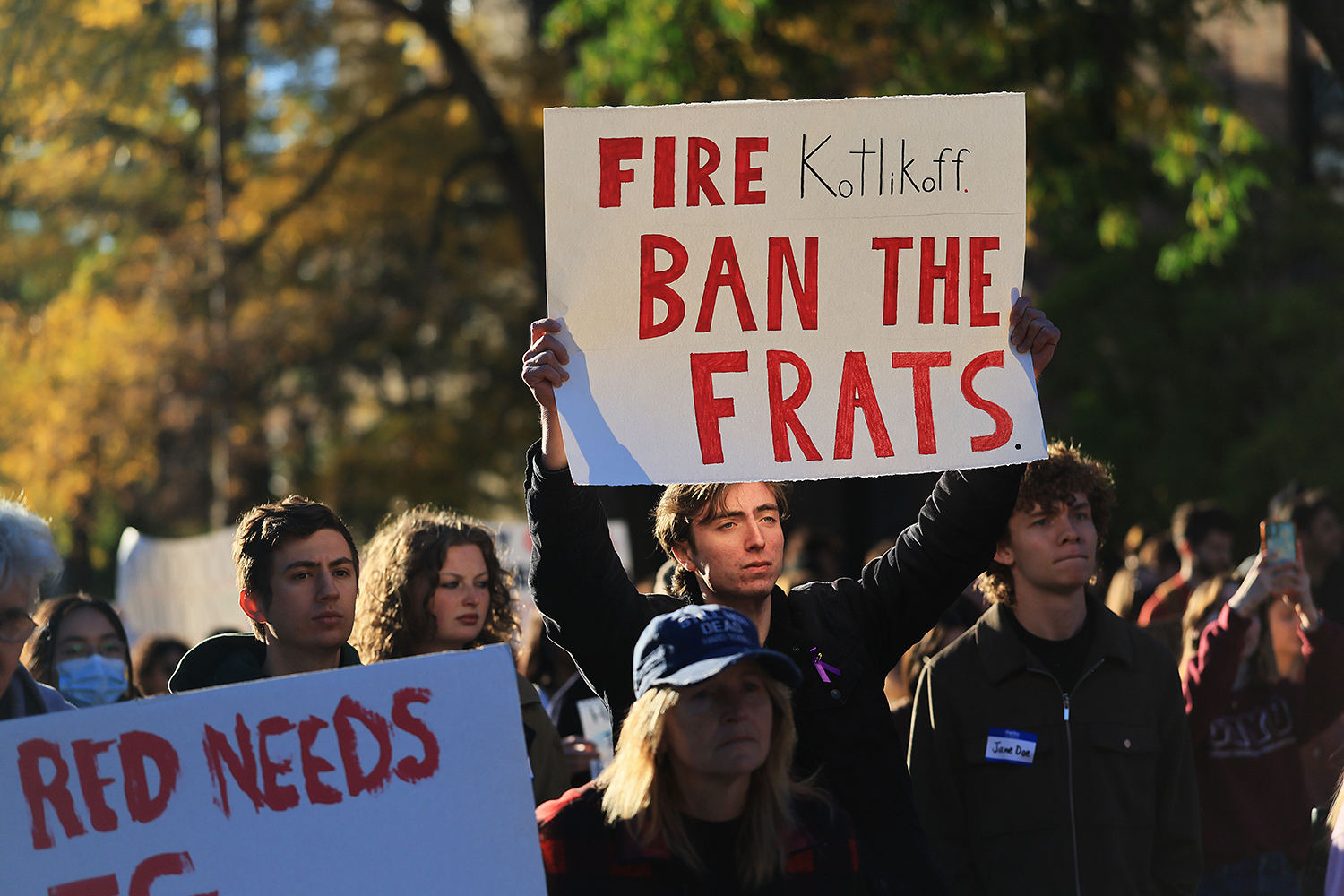
Trust in higher education administration doesn't break all at once; it erodes quietly until a single flashpoint shatters the foundation. Right now, Cornell University is living through that exact fracture.
When roughly 40 members of the Cornell University Faculty Senate stepped up to introduce a formal no-confidence resolution over the administration's handling of a 2024 alleged gang rape, they weren't just reacting to a single lawsuit. They were drawing a hard line against institutional complacency. If you've been following how universities handle campus safety, this moment feels like a watershed.
Let's break down what's actually happening, why professors are risking institutional standing to speak out, and what this means for accountability moving forward.
The Breaking Point Behind the Cornell Faculty Resolution
The catalyst didn't appear out of thin air. In September 2026, a former Cornell student filed a federal lawsuit alleging she was drugged and gang-raped by seven fraternity members at the Chi Phi house back in 2024. Her complaint dragged a dark reality into the public square, accusing university leaders—including top officials like Michael Kotlikoff and Ryan Lombardi—of failing to protect students and opting for weak internal disciplinary measures instead of transparent justice.
Students didn't wait for administrative committees to deliberate. Protesters swarmed Ithaca streets chanting "shame" and "resign," while student groups organized massive sit-ins. But the decision of the Faculty Senate to introduce a no-confidence resolution takes the crisis to an entirely different tier. Professors are publicly declaring that the current administration cannot be trusted to manage student welfare or investigative integrity.
The full Senate vote is scheduled for October 14, and the momentum suggests leadership is facing a massive existential threat.
Why This Case Is Different From Routine Title IX Scandals
We've all seen universities issue vague statements about "robust procedures" and "student safety task forces" whenever a scandal hits the news. But Cornell's situation has escalated past standard PR management for a few concrete reasons:
- The Disciplinary Backlash: Reports surfaced that some students involved received temporary suspensions that could be mitigated by writing essays. Critics, faculty, and students saw that response as an insult to the severity of the alleged crime.
- External Intervention: State pressure escalated rapidly. New York Governor Kathy Hochul stated she lost faith in local oversight, prompting Attorney General Letitia James to step in as a special prosecutor. Meanwhile, the Tompkins County District Attorney reopened the criminal investigation before a grand jury.
- Systemic Data Exposure: Investigations like a recent USA Today analysis revealed that out of more than 1,200 reports of sexual assault, dating violence, and stalking at Cornell between 2018 and 2024, only seven cases resulted in expulsion or dismissal.
When the math looks like that, internal policies stop looking like safeguards and start looking like systemic protection for the status quo.
What Happens When Faculty Lose Faith
When professors turn on their own administration, the power dynamic shifts. Faculty senates are traditionally conservative bodies that prefer internal diplomacy over public warfare. For 40 senators to back a no-confidence measure immediately means the internal chatter has turned toxic.
Associate professor Sabrina Karim captured the mood on campus, noting that trust is completely broken and the community must force structural changes. Professors are fielding endless complaints from furious alumni, current students, and staff who are tired of institutional self-protection.
You can't lecture students about ethics while your own house is in complete disarray.
The Broader Fallout for Campus Safety
Universities across the country are watching Cornell right now. For years, elite institutions relied on internal Title IX offices to handle horrific allegations behind closed doors, minimizing public liability and keeping scandals out of the headlines.
That playbook is burning.
When survivors have to graduate, file federal lawsuits, and spark state-level investigations just to get basic transparency, the system is fundamentally broken. The involvement of New York's Attorney General proves that external authorities are no longer willing to let universities police themselves when major criminal allegations are involved.
If the Cornell faculty passes this resolution on October 14, it sets a dangerous precedent for any college president thinking they can sweep structural safety failures under the rug. Accountability isn't a buzzword anymore. It's a demand backed by faculty votes, grand juries, and public outrage.
Read the filings. Watch the votes. The era of administrative secrecy in higher education is running out of time.