Trust in policing hangs by a thread when an encounter leaves a citizen with severe facial injuries and unanswered questions.
Fabyan Deschamps thought she was just answering routine questions in an Edmonton parking lot. Instead, she ended up with physical trauma, ongoing headaches, and a case on the desk of Alberta's police watchdog. Incidents like this raise urgent questions about accountability and public safety. When an allegation of unprovoked force reaches the Alberta Serious Incident Response Team (ASIRT), the stakes rise for everyone involved.
What Actually Happened That Night
Back in August, Deschamps and a group of people stood in a parking lot along Fort Road. Two Edmonton Police Service officers approached them, demanding names. Deschamps states she complied with the directive. What followed turned violent in seconds.
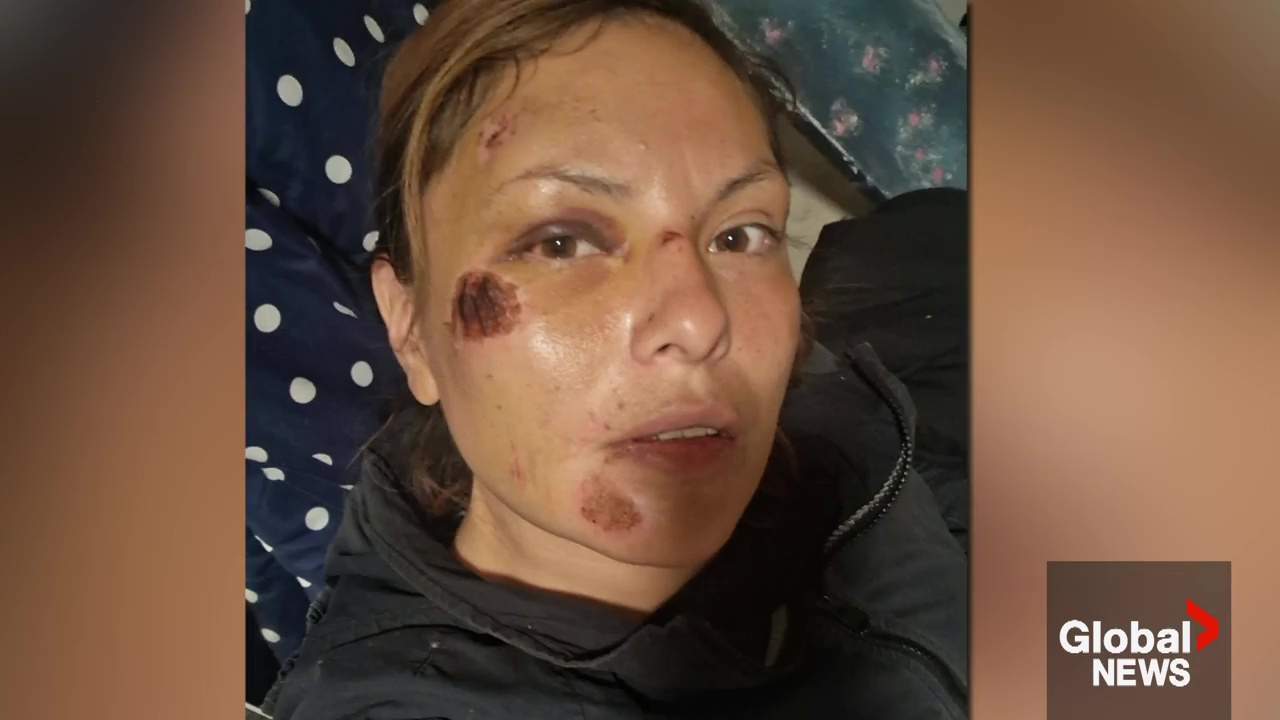
According to Deschamps, an officer grabbed her by the back of the head and slammed her face directly into the cement. The physical toll was immediate and brutal. She described looking in the mirror afterward and feeling like she had been hit by a bus.
Physical wounds heal slowly. Concussions, back pain, and chronic headaches linger. But the psychological damage cuts even deeper. Deschamps now battles constant anxiety, severe emotional overwhelm, and fear triggered by everyday sounds like police sirens or overhead helicopters.
Why ASIRT Got Involved
Police use of force is a complex and heavily scrutinized topic. Not every physical interaction crosses a legal line, but watchdogs exist for the exact moments officers allegedly step outside their mandate.
Deschamps initially filed a complaint with the province's Police Review Commission. After reviewing the details, the commission forwarded the file to ASIRT to consider a full criminal investigation.
Dan Jones, the justice studies chair at NorQuest College and a former 25-year veteran of the Edmonton Police Service, notes that moving a file to ASIRT signals that the complaint carries significant weight. ASIRT doesn't take every case. When they step in, it means investigators found enough smoke to warrant a serious look for fire.
Systemic Realities and the Question of Bias
Deschamps worries that her identity as a First Nations woman played a role in how officers treated her. It's a concern rooted in a long history of strained relationships between Indigenous communities and law enforcement across Canada.
When vulnerable people interact with armed authority figures, the power imbalance is staggering. Dismissing marginalized citizens or treating them harshly because they come from difficult backgrounds creates a cycle of distrust. If accountability mechanisms fail, that trust breaks completely.
Accountability cannot just be a buzzword thrown around during press conferences. It requires transparent investigations, independent oversight, and real consequences when wrongdoing occurs. Watchdog agencies carry the heavy burden of proving to the public that badge numbers do not shield individuals from the law.
What Comes Next for the Investigation
ASIRT investigators have already met with Deschamps to gather her side of the story. The Edmonton Police Service has indicated it is working on a formal response, but the wheels of justice turn slowly.
For Deschamps, waiting for answers is agonizing. For the wider public, this case serves as another test of whether oversight bodies can deliver true justice and accountability. Every independent review shapes the standard for how police forces handle community interactions moving forward.
If you or someone you know has experienced an aggressive police interaction or needs to report misconduct in Alberta, you can file a formal complaint directly through the Alberta Police Review Commission or contact ASIRT to understand your rights and options.