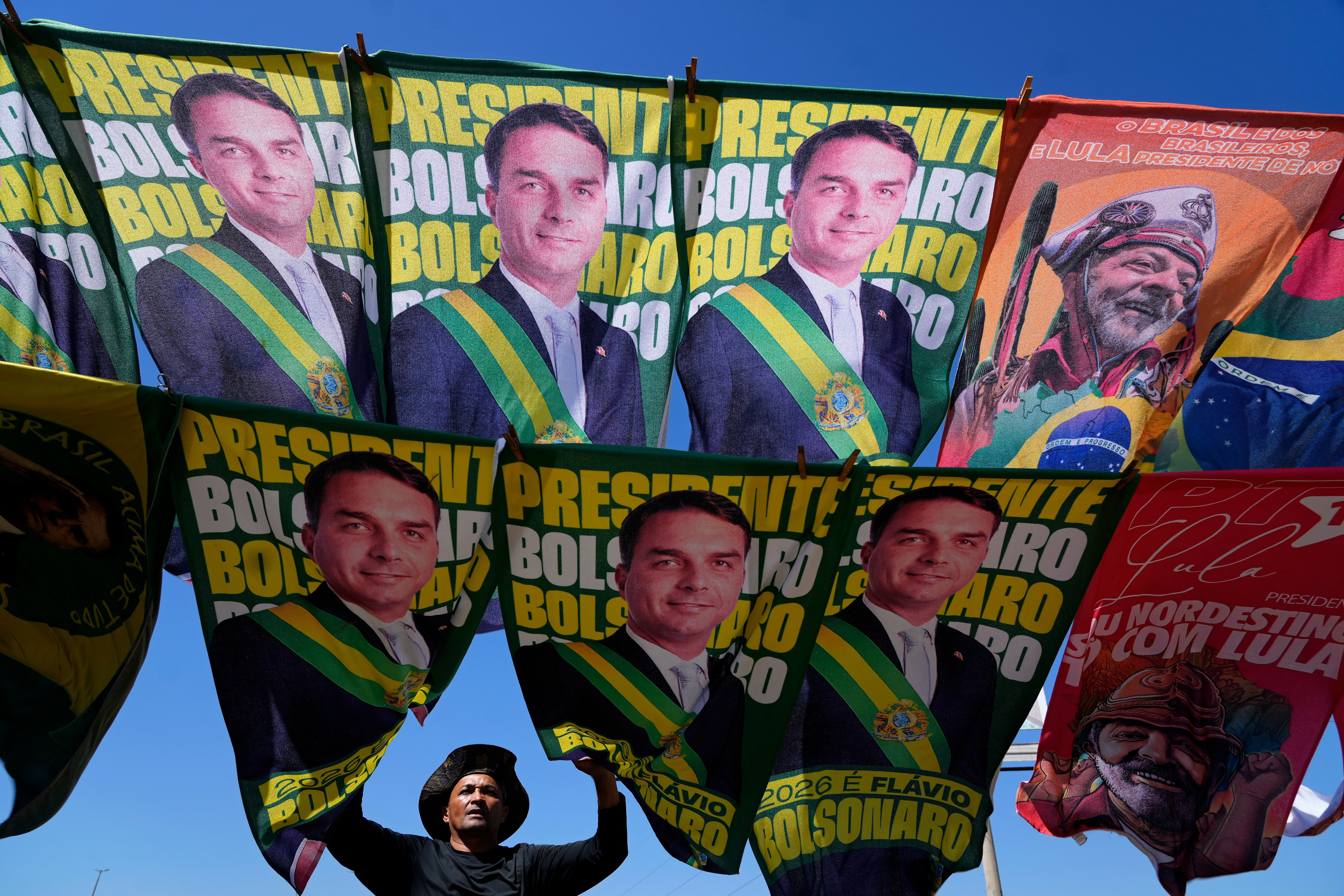
If you want to understand why millions of Brazilians are furious at the ballot box, forget complex macroeconomic projections or abstract GDP growth rates. Just look at the price tag on a cut of picanha.
Four years ago, President Luiz Inácio Lula da Silva ran on a simple, visceral promise: he wanted to put the prized rump cap steak back on working-class dinner tables. It was populist marketing at its finest. Picanha isn't just meat in Brazil; it's a cultural icon, the undisputed centerpiece of Sunday barbecues and family gatherings. But as voters head to the polls for the 2026 general election, that campaign promise has turned into a double-edged sword. Meat prices are biting hard, supermarket aisles are ground zero for voter discontent, and incumbents everywhere are learning that when people can't afford basic staples, politicians pay the price at the polls.
The Real Cost of Living Crisis Behind the Counter
Walk into any local butchery in São Paulo or Rio de Janeiro, and you'll hear the same frustration echoing off the tiled walls. Inflation doesn't care about political slogans. While official statistics might point to cooling growth or stabilizing employment metrics, the reality at the butcher shop counter is entirely different.
When basic groceries stretch household budgets to the breaking point, voters stop listening to policy justifications. They look at the grocery bill, look at who is sitting in the presidential palace, and decide it's time for a change. It's an age-old political truth. Incumbents across the globe are suffering the collateral damage of post-pandemic price shocks and stubborn inflation cycles. Brazil is no exception.
The opposition has weaponized this economic pain with ruthless efficiency. Former President Jair Bolsonaro's political camp has leaned hard into supermarket politics, circulating videos of grocery store walk-throughs to highlight runaway prices. They're hammering home a straightforward message: the current administration promised prosperity and delivered empty plates.
Beyond the Barbecue Grills
To reduce the 2026 election down to a single cut of beef is to miss the broader structural cracks in the Brazilian economy. Whoever wins the presidency isn't just inheriting a polarized electorate; they're taking over a country facing significant fiscal gravity.
GDP growth is slowing down, lingering below two percent for the year. At the same time, public debt is high, and the government's heavy reliance on spending packages to boost electoral competitiveness has left monetary policy heavily strained. Households are drowning in debt, leading to record bankruptcy rates and a cooling labor market where formal job creation is losing steam.
Voters aren't just reacting to meat prices. They're reacting to a general sense of economic fatigue. The middle class feels squeezed, small business owners feel ignored, and floating voters are left unimpressed by either side's grand economic blueprint.
What Happens When Populism Meets Reality
When politicians promise absolute fixes to everyday commodities, they set a trap for themselves. Lula's historic vow regarding picanha worked brilliantly to rally the working class in 2022. It translated a massive economic grievance into a tangible, mouth-watering goal.
Yet, governing a massive, complex democracy means running into global commodity markets, supply chain shifts, and monetary constraints that no single executive order can easily override. When reality fails to match the rhetoric, the backlash is fierce.
As the country braces for the runoff vote, the political calculus is brutal. On one side, the left attempts to defend its record while rolling out emergency household debt relief and targeted social measures. On the other side, the right promises tax cuts and a market-driven pivot, drawing inspiration from neighbors like Argentina, even as voters watch poverty rates rise south of the border with cautious skepticism.
The next president will face a tough road. Fixing Brazil's economy requires structural discipline, not just clever marketing campaigns centered around the barbecue grill.
Take a close look at your own household spending habits and local market trends to spot the early warning signs of inflation before it dictates your financial future. Audit your fixed expenses this week, cut discretionary waste, and build a cash buffer to protect against sudden price volatility in essential goods.