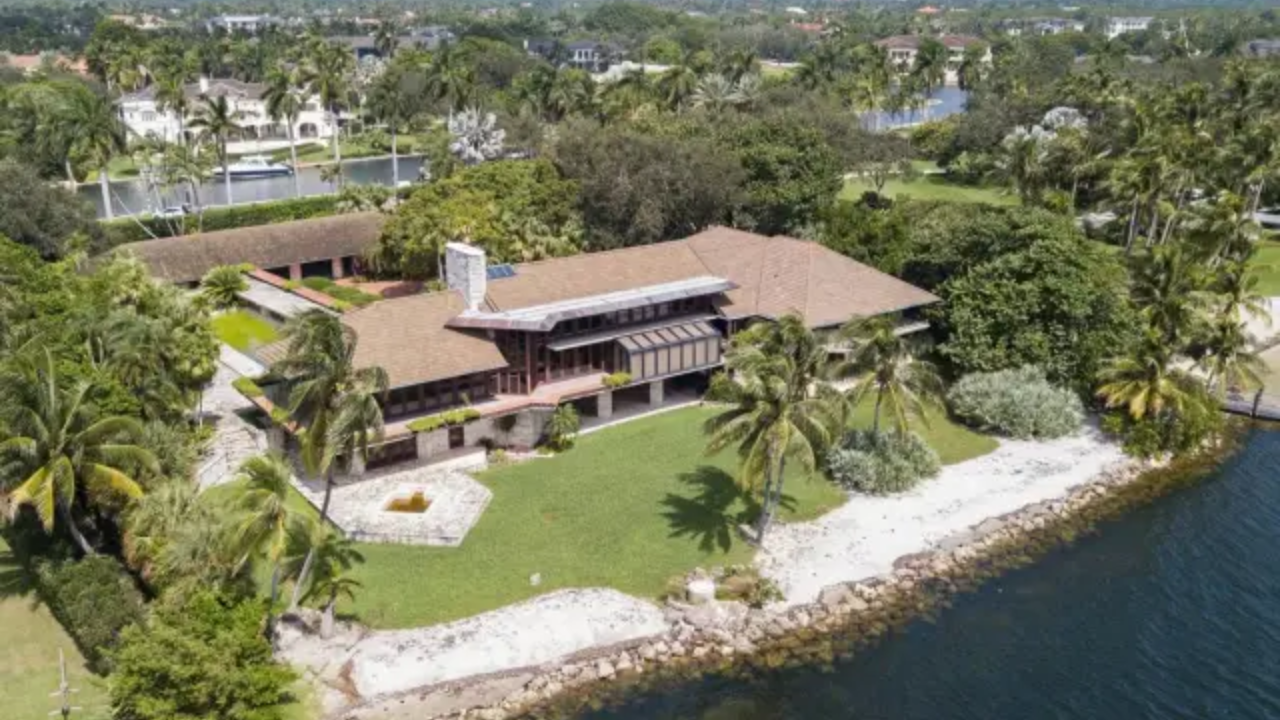
When Texas industrialist Felix Sorkin dropped thirty-six million dollars for an eleven-thousand-square-foot estate along Biscayne Bay, nobody expected it to survive in its original form. Real estate fortunes move fast in South Florida. Even so, watching the bulldozers roll in just months after the 2023 closing shocked local preservationists. The target wasn't just any old house. It was the Wood Residence, a 1963 modernist masterpiece designed by Alfred Browning Parker.
Now, the dust has settled, the rubble is cleared, and a new mega-mansion is on the way. But the demolition exposes a brutal reality about luxury coastal real estate. When land values skyrocket, architectural heritage doesn't stand a chance.
The Architectural Genius of Alfred Browning Parker
You can't understand the outrage without looking at who built the house. Alfred Browning Parker wasn't just another residential architect. As a disciple of Frank Lloyd Wright, Parker shaped the way Florida modernism evolved. He designed more than six thousand structures over six decades, earning national attention from publications like House Beautiful long before sustainability became a corporate buzzword.
The Wood Residence was a textbook example of organic architecture. Built on a 1.2-acre lot, it relied on natural materials that blurred the line between indoor and outdoor spaces. Heart-pine woodwork, native stone walls, and expansive glass panels let the subtropical light flood in while keeping energy costs down through natural ventilation. Parker designed roofs with deep overhangs to handle the brutal Miami sun and heavy seasonal rains. Additional journalism by Bloomberg delves into similar views on this issue.
It was custom-tailored to its environment. Yet none of that mattered to modern market forces.
Why Historic Protection Failed the Wood Residence
People always ask how a town with strict zoning like Coral Gables lets a historic asset get wiped out. The answer comes down to paperwork and timing.
Coral Gables boasts some of the toughest historic preservation codes in the region. But a building doesn't automatically get a shield the day it turns sixty. The property never received formal local historic designation from the Coral Gables Historic Preservation Board before the sale went down. Without that official landmark status, a standard purchase transaction turns into a straightforward real estate deal.
Once Sorkin acquired the title through his holding companies, he held the legal right to apply for a standard demolition permit. Local preservation groups like Docomomo US discovered the plan too late. Municipal bodies can't block a demolition if the paperwork checks out and emergency preservation reviews weren't initiated prior to the property trading hands.
The Economics of Teardowns on Biscayne Bay
Let's be honest about what is happening in high-end enclaves like Coral Gables, Miami Beach, and Key Biscayne. Buyers aren't paying thirty-six million dollars for the vintage plumbing or mid-century floor plans. They are paying for the dirt.
Waterfront land is scarce. When a buyer snaps up an 11,000-square-foot house on a prime acre of Biscayne Bay, the physical structure is often treated as a temporary placeholder. Older mid-century homes frequently lack features that ultra-high-net-worth buyers demand today. They want bulletproof hurricane ratings, subterranean garages, towering ceilings, integrated smart home automation, and massive security perimeters.
Renovating an Alfred Browning Parker home to match modern luxury standards can cost millions, and rigid structural designs make expansion nearly impossible. Tearing it down and starting from scratch makes financial sense to a mogul. To them, it's just clearing a canvas.
What Property Owners and Preservationists Can Do Now
If you care about architectural history in South Florida, waiting around for a crisis won't work. Municipal leaders across Miami-Dade County need to audit aging architectural stock proactively rather than reacting after a deed changes hands.
Here is what needs to shift in local policy:
- Expand historical surveys to catalog mid-century residential work before properties hit the open market.
- Streamline emergency provisional landmark status when historically significant homes are listed for sale.
- Create stronger financial incentives or tax breaks for buyers willing to restore organic modernism instead of feeding it to the landfill.
Until local governments close these loopholes, expect more historic homes to fall to the wrecker's ball. Check your local municipal registry today if you live near historic districts, because the next bulldozer is already idling down the street.