You remember the face from the nineties. Dragon: The Bruce Lee Story, The Jungle Book, Rapa Nui. Jason Scott Lee was right on the edge of major Hollywood stardom. Then, he basically vanished from the blockbuster treadmill. He didn't quit acting entirely, but he traded the red carpet for red dirt.
Instead of chasing another multi-million dollar paycheck to fund a bloated lifestyle in Los Angeles, he bought 25 acres of battered, debris-strewn land in Volcano, Hawaii. What he did next offers a masterclass in opting out of the celebrity machine.
The Reality of 25 Battered Acres
Most people picture a celebrity retreat as a sprawling gated mansion with manicured lawns and an infinity pool. Jason Scott Lee’s property looked nothing like that. When he acquired the 25-acre parcel, it was an ecological mess.
The land was littered with discarded car parts, old paint cans, and trash left behind by previous occupants. Decades of logging and clearing had stripped away large portions of the native forest canopy. It was scarred, quiet, and entirely neglected.
Most would have brought in heavy machinery, cleared the rest, and built a sprawling modern compound. Lee took the opposite route. He and a close friend built a modest two-room structure by hand.
Living Off the Grid Without the Buzzwords
There was no grid connection on the property. No municipal water supply, no flush toilet, and no central heating. Lee didn't do this as a weekend glamping exercise or a publicity stunt. He lived it.
Power came from a single 12-volt battery paired with a small solar panel that ran a basic water pump. Hot water depended on a propane setup. Cooking happened on a wood-burning stove. For a bathtub, he repurposed an old horse trough.
It sounds rugged because it was. But it gave him something Hollywood couldn't buy: total financial independence. When your overhead drops to near zero, you stop having to take terrible scripts just to pay off a massive mortgage and a fleet of luxury cars. As he famously noted, working to pay for a lifestyle that only obligates you to the industry machine is a trap. He chose to break out of it.
Bringing Back the Canopy
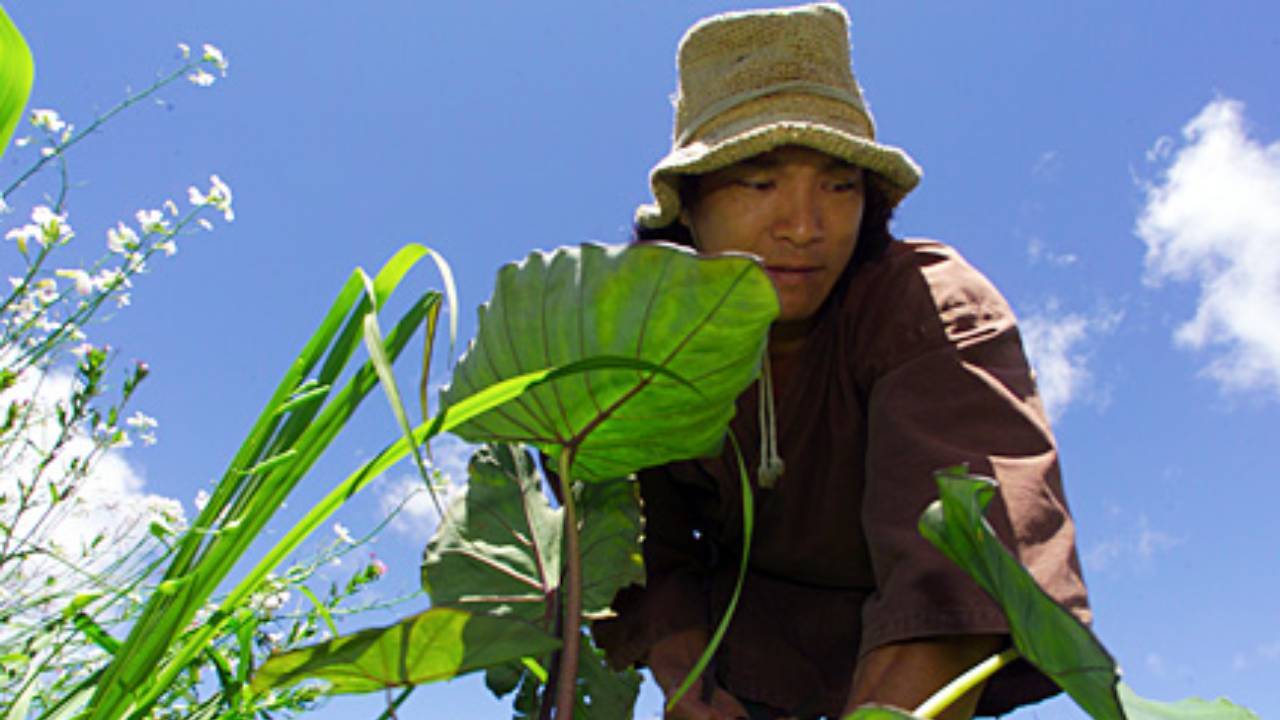
Clearing trash was only phase one. The real work on the land was ecological restoration. Lee adopted natural farming principles inspired by Japanese philosopher Masanobu Fukuoka—rejecting heavy tilling, synthetic fertilizers, and chemical pesticides in favor of working with natural succession.
To heal the damaged landscape, he walked the surrounding forests, collected native koa seeds, and meticulously replanted them across his property. His goal was simple and daunting: bring the canopy back.
He didn't plant neat, sterile rows of crops. He grew taro, raised chickens, and bartered for what he couldn't produce himself. He named his sanctuary Pu Mu, representing simplicity and nothingness. The land became a living laboratory for agriculture, environmental stewardship, and small-scale theatre arts where he occasionally staged workshops and plays with visiting artists.
One Foot in the Jungle and One in Film
Lee never became a hermit. He didn't swear off cinema forever. Instead, he completely redefined his relationship with the craft. He kept working on select independent or historical projects—like Nomad and Only the Brave—strictly when he wanted to, and strictly on his own terms.
He found a sustainable balance. He would leave the sanctuary for a film shoot, earn enough to sustain his simple life, and immediately return to his taro patches and koa saplings.
Standing on land that once held rusted car frames, he built a life where a single sprouting native tree meant more than any box office opening weekend. You don't need to move to Hawaii or buy 25 acres to apply the core lesson here. When you strip away the social pressures of what you're "supposed" to own, you finally get to decide what actually matters.