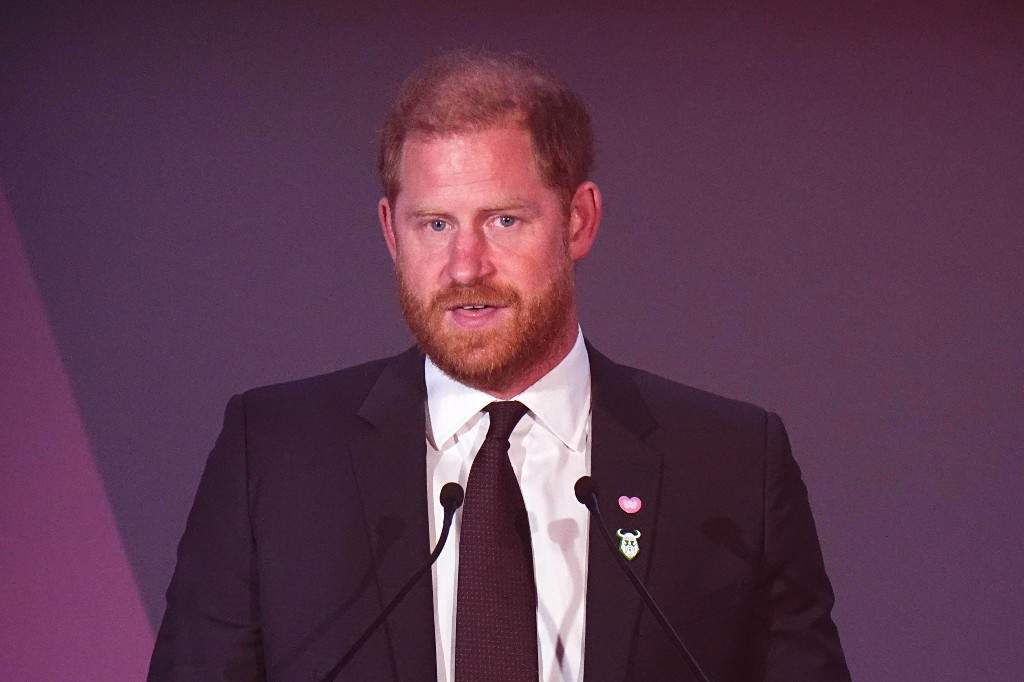
We talk about major life relocations like they are simple packing jobs. Box up the kitchen, hire movers, book a flight, and boom, you are living a brand-new life. But your nervous system doesn't care about your moving checklist. When Prince Harry recently opened up about his sudden bout of depression after moving to Canada in late 2019, he named a phenomenon most high-stress survivors know intimately: the adrenaline crash.
Stepping away from a lifetime of intense institutional pressure, relentless media scrutiny, and high-stakes royal duty didn't instantly bring peace. Instead, it triggered a full body system shock.
The Reality of the Adrenaline Crash
When you spend decades living in a constant state of hypervigilance, your body adapts. It pumps out stress hormones like cortisol and adrenaline just to keep your brain functioning through the chaos. You become addicted to the rush. You need the chaos to feel normal.
So when Harry, Meghan, and baby Archie touched down on Vancouver Island looking for quiet space, the sudden absence of threat didn't feel like relief. It felt like a vacuum.
Within days, the Prince experienced what he described as becoming practically useless around the house. His brain didn't know how to operate without chronic stress in the background. That sudden drop-off led straight into a two-week depressive episode.
If you have ever left a toxic job, walked away from a high-pressure corporate career, or escaped a chaotic personal situation only to collapse into bed with a strange, heavy sadness, you understand exactly what happened here. Silence can be terrifying when your body only knows how to survive sirens.
Why Sudden Quiet Feels Dangerous to the Brain
Neuroscientists and trauma specialists talk a lot about what happens when the shoe finally stops dropping. Your nervous system stays locked in fight-or-flight mode long after the actual danger has passed.
When Harry appeared on a MasterClass titled Redefining Grief: Building Resilience Through Loss alongside Dr. Mary-Frances O'Connor, he hit on a crucial truth about emotional processing. For much of his life, he outran his feelings. Losing his mother at age twelve set off a multi-decade journey of emotional numbness. He went to war twice, threw himself into royal engagements, and let adrenaline run the show because stopping meant feeling.
People often wonder why people escaping high-stress environments don't just relax immediately. The truth is simple. Relaxation requires safety, and safety feels unfamiliar to a nervous system wired for battle.
- Your brain mistakes peace for vulnerability.
- Chronic stress hormones mask underlying grief and trauma.
- The sudden removal of external demands leaves a void that depression easily fills.
The Trap of Emotional Numbness
Harry also touched on a misconception that traps a lot of grieving people. For years, he felt like he had to stay sad to prove he actually missed his mother. He thought feeling joy was somehow a betrayal of her memory.
That mindset is brutally common. We police our own happiness. We punish ourselves internally because we believe suffering equals loyalty.
When you spend your entire life performing grief on a global stage—walking behind a casket while millions watch your every twitch—normal emotional development gets warped. Joy feels dangerous. Laughter feels wrong. Numbness becomes armor.
Moving to Canada stripped away that armor. Without the daily distractions of royal duties and media warfare, the suppressed grief caught up with him.
What We Can Learn About Major Transitions
You don't need to be a British royal to experience an adrenaline crash. Anyone making a massive life pivot faces this exact danger.
If you are planning a major escape from burnout, keep a few practical realities in mind. First, expect the crash. Do not assume that changing your zip code will instantly cure your mental exhaustion. Second, give yourself permission to feel aimless for a few weeks. Your brain is recalibrating its baseline chemistry. Third, stop waiting for permission to feel joy.
Life after high stress isn't supposed to feel comfortable right away. It takes time to teach your body that you are finally allowed to rest.