Elections in Israel always carry heavy political weight, but the upcoming legislative vote on October 27, 2026, has zeroed in on a flashpoint that can ignite the entire region within hours. At the center of the political storm is the fragile arrangement governing Jerusalem's most sensitive sanctuary. While candidates debate policy, inflation, and security, the real battleground remains the walled compound in the Old City known to Muslims as al-Haram al-Sharif and to Jews as the Temple Mount.
For decades, this elevated plateau has operated under a delicate diplomatic balancing act. Today, that arrangement is fraying under intense pressure from far-right factions seeking to upend long-standing rules for political gain. If you want to understand why current political campaigns are turning into a dangerous theological dispute, you have to look closely at how the management of holy ground became a primary electoral weapon.
The Fragile Architecture of the Historical Arrangement
The rules governing the compound are often called the status quo. Established after the 1967 war, this unwritten yet meticulously observed code gave exclusive religious administration of the hilltop to the Jordanian Waqf, while Israel retained overall security control.
Non-Muslim visitors are allowed limited entry hours, but formal prayer by non-Muslims has technically been barred. For generations, this compromise prevented daily clashes. It kept a lid on a pressure cooker.
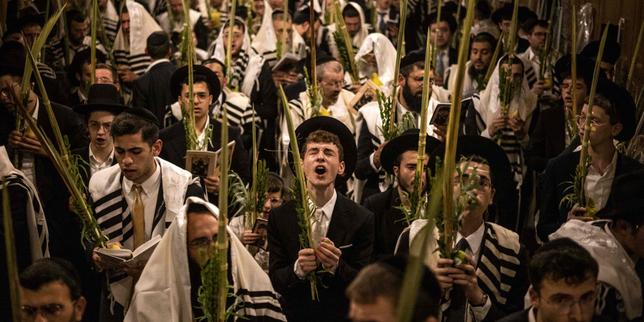
Lately, right-wing ministers and nationalist politicians have aggressively pushed past these historical boundaries. When high-profile political figures lead large groups of supporters onto the esplanade while performing overt religious rituals, they aren't just visiting. They are signaling to their base that sovereignty is up for grabs.
How Legislative Politics Hijacked Sacred Ground
As election day approaches, candidates looking to capture nationalist and religious voters are doubling down on hardline stances regarding Jerusalem. Moderating voices are sidelined. In Israeli domestic politics, adopting a militant position on the esplanade has morphed into a litmus test for nationalist purity.
This electoral strategy creates immediate regional shockwaves. Jordan, which holds official custodianship over the holy sites, has repeatedly issued stark warnings that tampering with the compound threatens bilateral peace treaties and risks global escalation. Neighboring Arab states watch the campaigns with acute anxiety, knowing that political posturing in West Jerusalem can easily translate into violent unrest on the streets of East Jerusalem, the West Bank, and beyond.
The danger lies in the direct link between ballot box rhetoric and physical action on the ground. When politicians promise changes to the holy sites to win votes, extremist groups take those statements as a green light to force facts on the ground through mass entries and public prayer rituals.
What Real Stakeholders Say About the Impending Crisis
Regional analysts and international observers agree that the sanctity of the compound is being exploited for short-term electoral gains. Security experts point out that any permanent fracture in the rules will dismantle the last remaining guardrails keeping the Israeli-Palestinian conflict from taking on an uncontrollable religious dimension.
- The Jordanian Custodianship: Amman maintains that any unilateral Israeli alteration of the site violates international law and threatens a broader religious war across the Muslim world.
- Palestinian Authorities: Local leaders in Jerusalem argue that the surge in organized visits backed by security forces is an intentional campaign of creeping annexation.
- Israeli Security Establishment: Certain pragmatic officials privately caution that provoking the compound's status quo strains internal security forces to a breaking point during an already volatile wartime period.
Looking Beyond the Ballots
The October 27 legislative vote won't just decide the composition of the Knesset. It will test whether institutional checks can survive the populist pressure to dismantle decades-old diplomatic compromises.
Voters and international observers face a stark reality. If candidates continue to weaponize Jerusalem's holiest ground for votes, the resulting friction won't end when the ballots are counted. The repercussions will echo across international borders, ensuring that the next government inherits a crisis that money or political maneuvering cannot easily fix.
Watch the rhetoric coming out of the campaign trail closely. It reveals exactly where the region's next major confrontation will start.