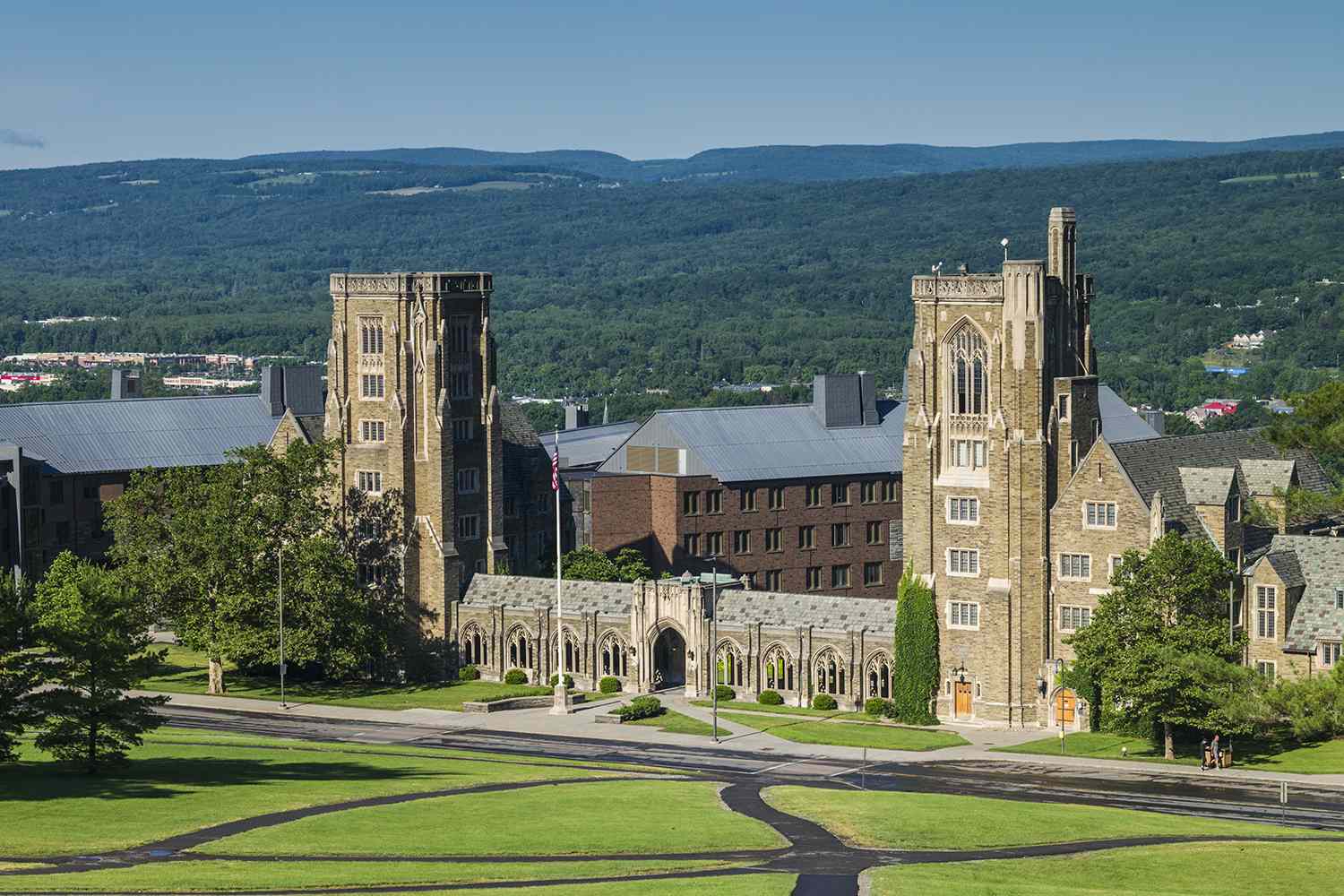
When a university administration faces campus-wide protests, a faculty push for a vote of no confidence, and leaked student disciplinary records, hiring an outside investigator isn't just an option—it's survival. Cornell University just took that exact step by appointing former U.S. Deputy Attorney General Sally Yates to lead a sweeping, independent review of its sexual misconduct policies and its handling of a high-profile 2024 fraternity gang rape allegation.
If you've been following the intense scrutiny surrounding Cornell over the past few weeks, you know why this appointment matters. This isn't just a routine administrative audit. It's a high-stakes reckoning for higher education oversight, fraternity culture, and institutional transparency.
Behind the Cornell Crisis and the Jane Doe Lawsuit
The pressure cooker at Cornell didn't appear overnight. In mid-September, a former student filed a lawsuit against the university and several individuals, alleging that seven men drugged and assaulted her for hours in October 2024 at the Chi Phi fraternity house. No criminal charges were initially filed against the men, triggering outrage, student walkouts, broken glass at administration buildings, and fierce demands for accountability.
Those named in the lawsuit have denied all wrongdoing. Meanwhile, Cornell maintained that its campus police investigated thoroughly and that internal Title IX proceedings resulted in various student suspensions and expulsions. But for students, faculty, and the public, those internal measures weren't enough. Trust had already fractured.
Enter Sally Yates.
Who Is Sally Yates and What Will Her Team Do?
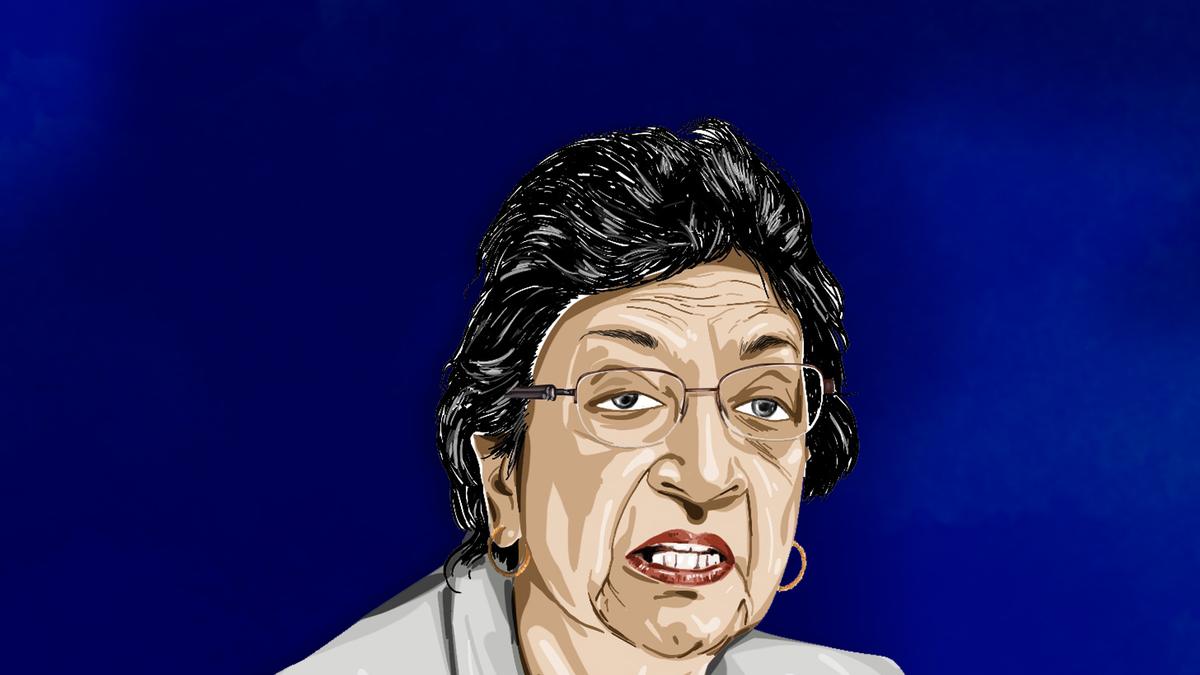
You might remember Yates from her high-profile public service career, including her stint as deputy U.S. attorney general under the Obama administration and her independent investigations into systemic abuse in the National Women's Soccer League. She brings serious legal weight and institutional independence to Ithaca.
According to university announcements, Yates and her team won't just look at the 2024 Chi Phi incident. They have a broader mandate to examine:
- How reports are received, logged, and investigated across campus.
- Student support systems and mental health resources for victims.
- The mechanics of campus disciplinary hearings and decisions.
- The exact role and response timeline of campus police.
- Coordination with external law enforcement agencies and prosecutors.
- Oversight mechanisms for fraternities and sororities.
Anne Meinig Smalling, chair of Cornell's Board of Trustees special committee, noted that the university asked Yates to identify structural flaws and recommend concrete changes to make the community safer. The findings will eventually be shared with the public, setting a benchmark for transparency that other universities will be forced to match.
A Multi-Pronged Legal Battleground
Cornell's internal review doesn't exist in a vacuum. It operates alongside a parallel, state-level criminal investigation. New York Governor Kathy Hochul recently appointed State Attorney General Letitia James as a special prosecutor to take over oversight of the reopened criminal inquiry.
This creates a complex legal landscape. While Yates evaluates Cornell's policies and systemic response, Attorney General James examines the criminal evidence alongside the local Tompkins County District Attorney. For survivors and student advocates, having both an independent institutional auditor and a state-level prosecutor offers a sliver of hope that accountability won't get swept under the rug.
Meanwhile, campus leadership is scrambling to stabilize the situation. President Michael Kotlikoff met with student assemblies to field tough questions about Title IX reform, party culture, and the future of Greek life. Faculty senators continue to debate a no-confidence resolution against top leadership.
What This Means for Campus Safety Nationwide
Cornell's crisis serves as a brutal wake-up call for colleges across the country. Too often, universities lean on insular, internal investigations to protect their brand rather than address structural rot. When victims feel like bait or find themselves trapped in opaque disciplinary loops, public outrage follows swiftly.
By bringing in a heavy-hitter like Yates, Cornell is signaling that business as usual is over. But an independent review is only as good as its implementation. If the university buries the final report or fails to act on the recommendations, the protests will return tenfold.
Survivors deserve absolute transparency, rigorous investigations, and zero institutional shielding. Keep a close eye on what Yates uncovers—because the fallout from this investigation is going to reshape how universities handle sexual misconduct claims for years to come. Take notes on how your own local institutions handle accountability, because the standard is shifting right now.